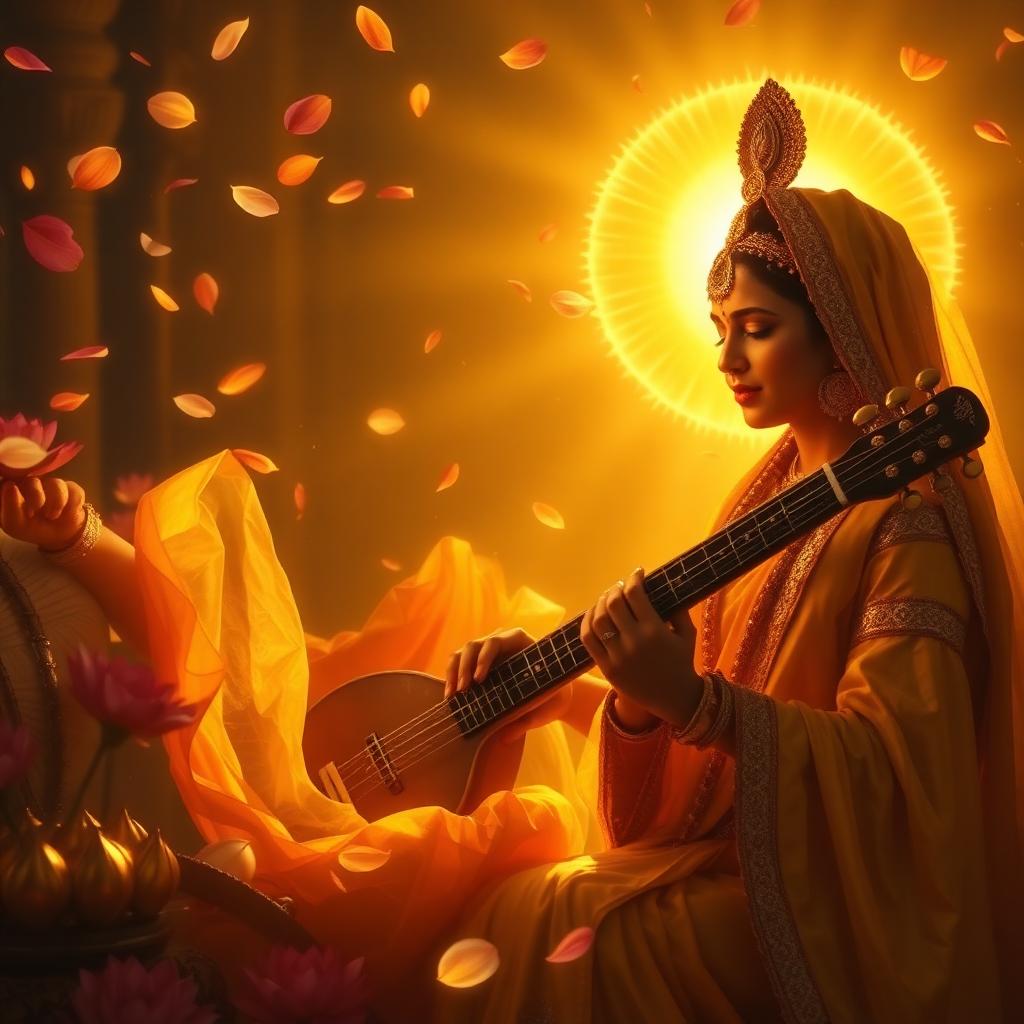
Bhakti

Vidya · Bhakti

Bhakti

॥ सा त्वस्मिन् परमप्रेमरूपा ॥

The path of loving surrender — the sweetest, simplest and most direct road to the Divine, open to every heart.

॥ ॐ ॥

Introduction

The Path of the Heart

॥ ॐ ॥

Bhakti means devotion — loving surrender to the Divine. While Jnana appeals to the intellect and Karma to the sense of duty, Bhakti speaks directly to the heart. The word comes from the Sanskrit root bhaj, "to share," "to partake," "to love."

Bhakti is not merely worship. It is a deep, personal, and loving relationship with God — a relationship of friend, servant, parent, child, or beloved. In the Narada Bhakti Sutra it is defined as parama prema rupa — the supreme form of love itself.

Loved by saints across every age, Bhakti needs no scholarship, no caste, no qualification — only a sincere and yearning heart.

Narada Bhakti Sutra 2

Parama Prema Rupa

सा त्वस्मिन् परमप्रेमरूपा

"Bhakti is the supreme form of love directed toward the Divine."

In Kali Yuga, the sages declare, the easiest path to God is the chanting of His holy names with love and surrender.

Chapter I

Why Bhakti Holds Such Place

The path that opens every door — to every seeker.

The Easiest Path

Especially suited for the Kali Yuga — the age of distraction.

Open to All

No barrier of age, gender, caste, language, or learning.

Purifies the Heart

Dissolves ego and prepares the soul for higher knowledge.

Simple Practices

Singing, listening, remembering — joy is the method itself.

Liberation & Peace

Grants worldly peace and the highest moksha alike.

Living Tradition

Carried by an unbroken lineage of saints across India.

Chapter II

Navadha Bhakti — The Nine Forms

Nine luminous gateways described in the Bhagavata Purana.

1

Shravana

Hearing

Listening to the glories and stories of God — Ramayana, Bhagavata Purana.

2

Kirtana

Chanting

Singing and chanting the holy names of the Divine.

3

Smarana

Remembrance

Constant remembrance of God in every moment.

4

Pada Sevana

Serving the Feet

Serving the Lord and His devotees with humility.

5

Archana

Worship

Ritual worship with flowers, lamps and sacred offerings.

6

Vandana

Prostration

Bowing in reverence before the Divine.

7

Dasya

Servitude

The attitude of a devoted servant of God.

8

Sakhya

Friendship

Relating to God as a beloved friend.

9

Atma Nivedana

Self-Surrender

Complete surrender of the self to the Divine.

Chapter III

Types & Stages of Bhakti

From disciplined practice to spontaneous, desireless love.

Sadhana Bhakti

Devotion practised through discipline — daily puja, chanting and fasting.

Sadhya Bhakti

Spontaneous, natural love — like the love of the Gopis for Krishna.

Apara Bhakti

Devotion with worldly desires — health, prosperity, success.

Para Bhakti

Supreme devotion, with no desire other than love itself.

Sakama Bhakti

Devotion seeking specific blessings or boons.

Nishkama Bhakti

Pure, desireless love offered for God's own sake.

The highest of all is Nishkama Para Bhakti — loving God purely for the sake of love.

Chapter IV

The Great Bhakti Saints

An unbroken garland of devoted hearts.

Chaitanya Mahaprabhu

Spread the Hare Krishna Mahamantra across India through ecstatic kirtan.

Mirabai

Rajasthani princess whose burning love for Krishna defied every social barrier.

Tulsidas

Composer of the Ramcharitmanas — the people's Ramayana in Awadhi.

Surdas

Blind poet of Vrindavan whose songs of Krishna's childhood melt every heart.

Kabir

Mystic weaver who taught inner devotion beyond outer ritual or sect.

Tukaram

Maharashtrian sant whose Abhangas to Vitthala continue to be sung daily.

Chapter V

Eternal Stories of Devotion

Hearts in love with God — across every relationship.

Prahlada

His unwavering devotion to Vishnu protected him through every torment and brought direct liberation.

The Gopis of Vrindavan

Their pure, selfless love for Krishna stands as the highest example of Para Bhakti in all of Sanatan tradition.

Hanuman

His complete surrender and joyful service to Rama is the eternal ideal of Dasya Bhakti.

Sudama

His humble offering of flattened rice, given with pure love, was received by Krishna with overflowing joy.

Chapter VI

Key Scriptures on Bhakti

The texts that have nourished devotion for centuries.

  • Bhagavad Gita (Chapters 7, 9, 12, 18)
  • Bhagavata Purana
  • Ramcharitmanas — Tulsidas
  • Narada Bhakti Sutra
  • Sandilya Bhakti Sutra
  • Songs of Mirabai, Surdas, Kabir, Tukaram, Chaitanya

Chapter VII

Fruits of Bhakti

What love for the Divine quietly transforms within us.

Removes Fear & Ego

Devotion dissolves the burden of self-importance and anxiety.

Purifies the Heart

Love for the Divine cleanses every layer of the mind.

Inner Peace & Joy

Brings a steady spring of contentment that no situation can disturb.

Divine Protection

Shields the devotee from negative influences and inner turmoil.

Compassion & Humility

Naturally softens the heart toward all living beings.

Both Worlds

Grants material well-being and ultimate liberation alike.

Eternal Verses

The Voice of Devotion

॥ ॐ ॥

Bhagavad Gita 18.55

भक्त्या मामभिजानाति यावान्यश्चास्मि तत्त्वतः । ततो मां तत्त्वतो ज्ञात्वा विशते तदनन्तरम् ॥

"Through devotion, one knows Me in truth — and having known Me, enters into Me."

Narada Bhakti Sutra 2

सा त्वस्मिन् परमप्रेमरूपा ॥

"Bhakti is the supreme form of love directed toward the Divine."

Mahamantra

हरे कृष्ण हरे कृष्ण कृष्ण कृष्ण हरे हरे । हरे राम हरे राम राम राम हरे हरे ॥

"The great mantra of liberation — chanted with love in every age."

Chapter VIII

Modern Relevance

Bhakti in a restless age — a refuge for the modern heart.

Emotional Support

A steady anchor of love in turbulent times.

Joyful Practice

Simple chanting, kirtan and remembrance — accessible to anyone.

Freedom From Anxiety

Surrender quiets the restless mind.

Belonging & Purpose

A felt sense of being held by the Divine.

Community of Hearts

Satsangs and kirtans gather souls in shared joy.

The Mahamantra

हरे कृष्ण हरे कृष्ण कृष्ण कृष्ण हरे हरे ।
हरे राम हरे राम राम राम हरे हरे ॥

Bhakti is the sweetest path. It needs no learning, no wealth, no qualification — only a heart that is willing to love. May yours overflow with pure devotion.

Jai Shri Ram! · Jai Shri Krishna!

॥ ॐ शान्तिः शान्तिः शान्तिः ॥