Sanatan Basics

Vidya · Sanatan Parichaya

Sanatan Basics

॥ सनातन धर्मः ॥

Sanatan Dharma — the eternal way of life. Its meaning, principles, scriptures, paths and the highest goal of human existence.

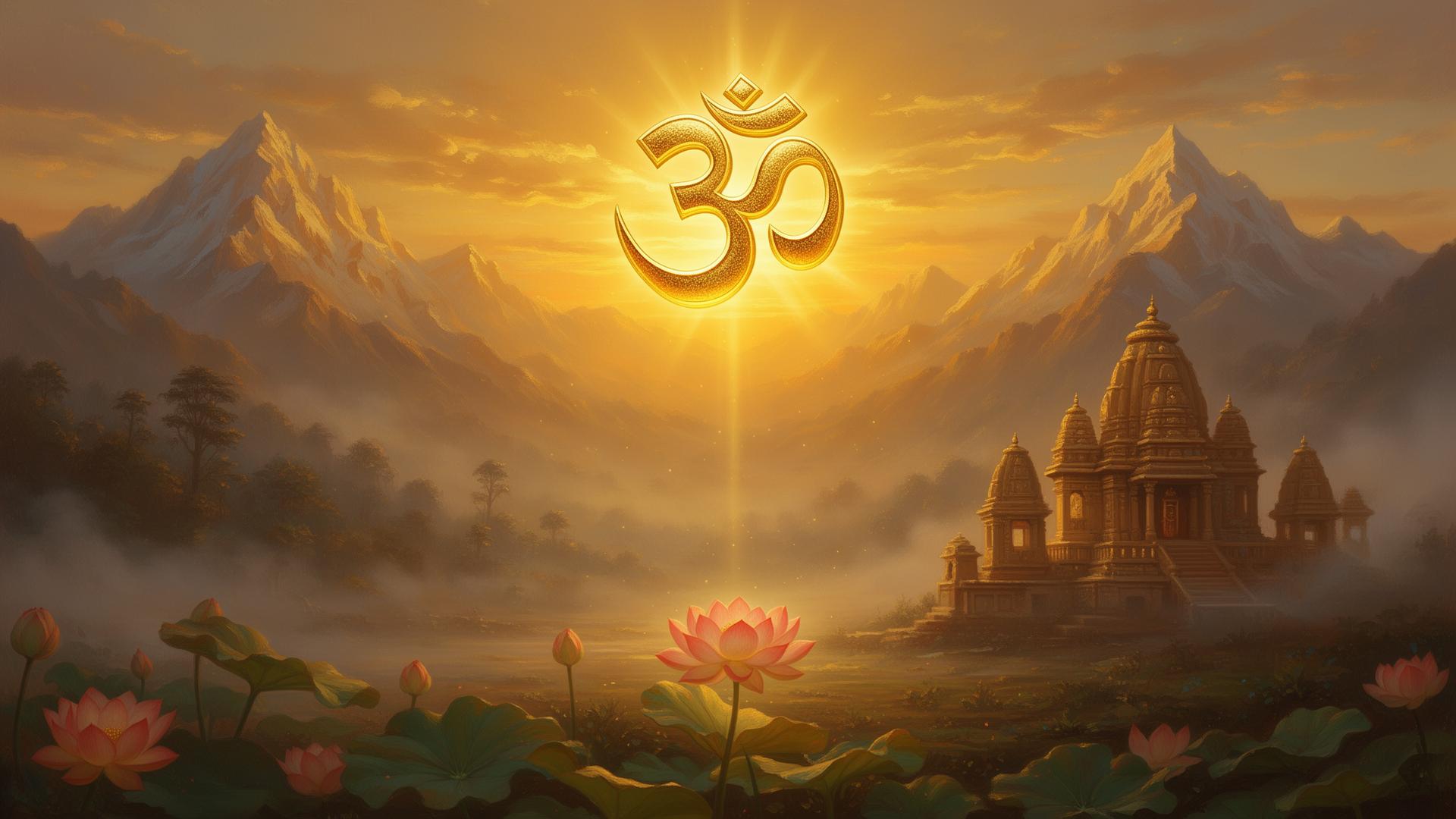
॥ ॐ ॥

Introduction

The Eternal Way of Life

॥ ॐ ॥

Sanatan Dharma (सनातन धर्म), commonly known as Hinduism, is one of the oldest living spiritual traditions in the world. The word Sanatan means eternal or everlasting, and Dharma means righteousness, duty, or cosmic order. Together, Sanatan Dharma is the eternal way of life that is in harmony with the cosmic laws of the universe.

Unlike many religions, Sanatan Dharma is not based on a single founder, a single book, or a fixed set of beliefs. It is a way of life that has evolved over thousands of years and continues to guide millions of seekers toward truth, peace, and liberation.

सनातन

Sanatan

Eternal, timeless — that which has no beginning and no end. The truth that exists beyond time, space and human creation.

धर्म

Dharma

From the root dhri — "to hold". That which sustains, upholds and supports — the inner law of every being and the order of the cosmos.

Chapter I

Core Principles

Seven foundational ideas at the heart of Sanatan Dharma.

धर्म

Dharma

Meaning: Righteous duty and cosmic order

Living in harmony with universal laws

कर्म

Karma

Meaning: Law of cause and effect

Every action has consequences

संसार

Samsara

Meaning: Cycle of birth and death

The soul's journey through many lives

आत्मन्

Atman

Meaning: The individual soul

The true Self, eternal and divine

ब्रह्मन्

Brahman

Meaning: The Supreme Reality

The one without a second

मोक्ष

Moksha

Meaning: Liberation from rebirth

The ultimate goal of human life

माया

Maya

Meaning: Cosmic illusion

The power that makes the world appear real

Chapter II

The Four Purusharthas

The four goals of human life — together they create a balanced and meaningful existence.

धर्म

Dharma

Righteous living and moral duty — the foundation upon which all other goals must rest.

अर्थ

Artha

Material prosperity and security, earned ethically and used wisely for one's family and society.

काम

Kama

Legitimate desires and the enjoyment of life — beauty, love, art and the senses in balance.

मोक्ष

Moksha

Spiritual liberation — final freedom from suffering and the realisation of one's true Self.

Chapter III

The Scriptures

A vast treasure of sacred texts, revealed and remembered.

Shruti

Revealed Texts

The four Vedas — Rigveda, Yajurveda, Samaveda, Atharvaveda — together with the Upanishads.

Smriti

Remembered Texts

The Puranas, the Ramayana, the Mahabharata, the Bhagavad Gita and the Dharma Shastras.

Other

Foundational Works

Patanjali's Yoga Sutras, the Brahma Sutras, and the various Agamas and Tantras.

The Bhagavad Gita is considered the essence of all Vedic knowledge — the most widely read scripture of Sanatan Dharma.

Chapter IV

The Trimurti

Three aspects of the One Supreme — the rhythm of creation, preservation and dissolution.

ब्रह्मा

Brahma

The Creator

विष्णु

Vishnu

The Preserver

शिव

Shiva

The Destroyer · Transformer

The Lord descends in many avatars — most famously Rama and Krishna — to restore Dharma whenever it declines.

Chapter V

The Four Ashramas

The four stages of a fully lived human life.

Stage 1

ब्रह्मचर्य

Brahmacharya

Student life

Years of learning, discipline and the cultivation of character under a guru.

Stage 2

गृहस्थ

Grihastha

Householder life

Marriage, family, livelihood and service to society — the support of all the other ashramas.

Stage 3

वानप्रस्थ

Vanaprastha

Retired life

Gradual withdrawal from worldly duties, turning inward toward contemplation and study.

Stage 4

संन्यास

Sannyasa

Renounced life

Total renunciation — life dedicated solely to liberation and the realisation of Brahman.

Chapter VI

The Paths of Yoga

Four roads — one summit. Every temperament is honoured.

कर्म योग

Karma Yoga

Path of selfless action — work performed as an offering, without attachment to its fruits.

भक्ति योग

Bhakti Yoga

Path of devotion and love — surrender to the Divine in any of His infinite names and forms.

ज्ञान योग

Jnana Yoga

Path of knowledge and wisdom — discerning the eternal Self from the transient world.

राज योग

Raja Yoga

Path of meditation and mind control — the royal path of Patanjali's eight limbs.

Atman · Brahman

The Highest Realisation

The individual soul (Atman) is in essence the same as the Supreme Reality (Brahman). To realise this oneness, here and now, is the highest goal of human life.

अहं ब्रह्मास्मि

"I am Brahman." — Brihadaranyaka Upanishad 1.4.10

Chapter VII

Daily Practices

Sanatan Dharma is lived, not merely believed.

  • Daily worship (Puja) and prayer
  • Meditation and Pranayama
  • Chanting of mantras — especially the Gayatri and Om
  • Observing festivals and performing Samskaras
  • Ethical living through Yama and Niyama
  • Selfless service to others (Seva)
  • Daily study of scriptures (Swadhyaya)

Chapter VIII

Modern Relevance

Ancient wisdom for the questions of today.

Unity in Diversity

Honours every path and every name of the One Truth — Ekam Sat Vipra Bahudha Vadanti.

Mental Peace

Yoga and meditation as practical tools for stillness in a restless age.

Ethical Living

A clear framework for right action, harmony with nature and respect for all life.

Holistic Vision

A complete view of life that balances material wellbeing with spiritual freedom.

One Family

Vasudhaiva Kutumbakam — the conviction that the whole world is one family.

Rigveda 1.164.46

एकं सत् विप्रा बहुधा वदन्ति

"Truth is one; the wise call it by many names."

Sanatan Dharma invites every sincere seeker to discover their own divine nature and live a life of peace, purpose and harmony — from ignorance to wisdom, from bondage to freedom.

॥ ॐ शान्तिः शान्तिः शान्तिः ॥