The Char Dham

Catur Dhām

The Char Dham

॥ चतुर्धाम यात्रा ॥

Four sacred abodes across the four directions of Bhārata — the supreme pilgrimage circuit established by Ādi Śaṅkarācārya, opening every gate to liberation.

॥ ॐ ॥

4

Sacred Abodes

N · W · E · S

Cardinal Directions

Ādi Śaṅkarācārya · 8th c.

Established by

Vaiṣṇava · Śaiva

Traditions United

Introduction

Four Abodes of the One Divine

॥ चतुर्धाम परिक्रमा ॥

Char Dhām joins two words — catur, four, and dhāma, an abode or seat of the Divine. Four shrines, set at the four cardinal directions of Bhārata, together form the supreme pilgrimage of Hindu tradition.

In the eighth century Ādi Śaṅkarācārya walked the length and breadth of the subcontinent, restoring temples and founding four maṭhas at the four directions. Around them crystallised the Char Dham — Badrīnāth in the north, Dvārakā in the west, Puri in the east and Rāmeśvaram in the south — uniting Vaiṣṇava and Śaiva, Vedic and Purāṇic, north and south, into one living circuit.

To complete the yātrā is, in tradition, to walk around the whole sacred body of Bhārata, to gather the blessings of every Veda and every age, and to stand — at last — at the threshold of liberation. One Divine, four doors, every direction sanctified.
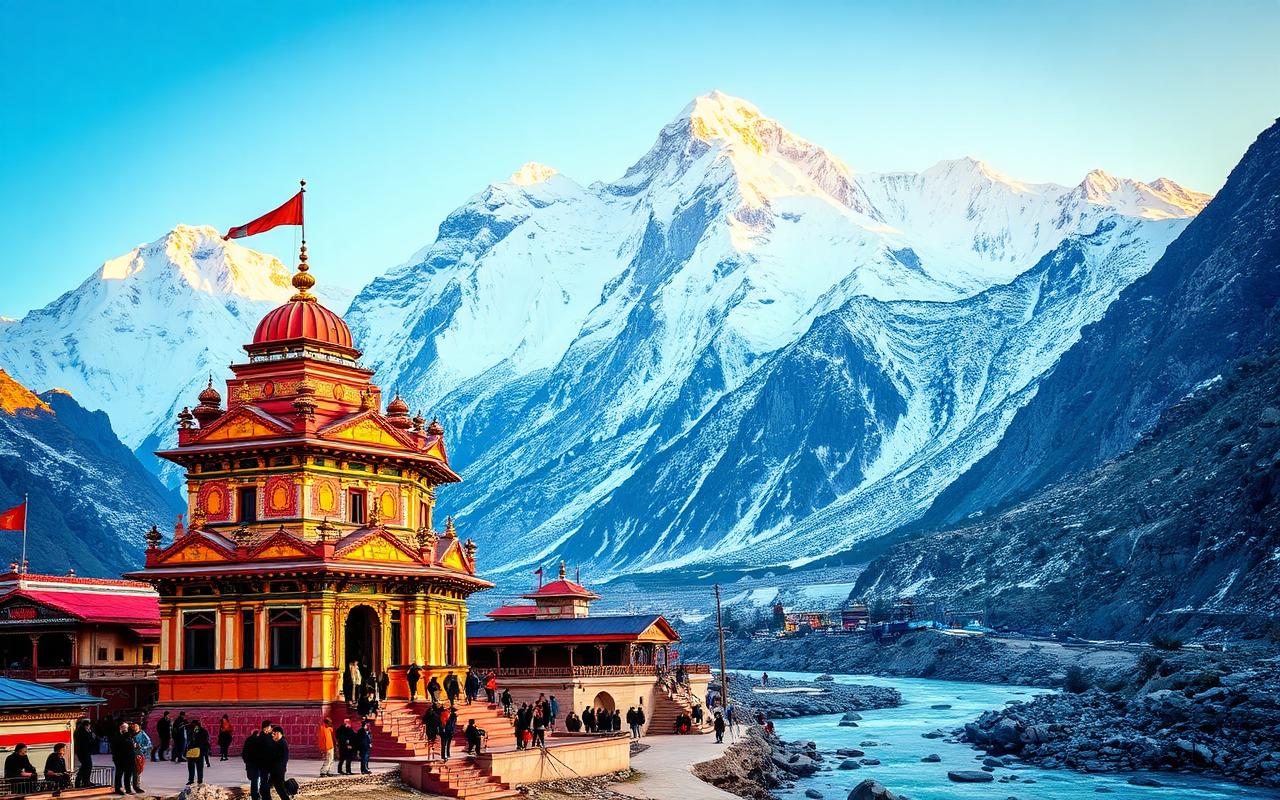
Badrinath in the Himalayas
Badrīnāth — Viṣṇu's snow-bound abode in the Himalayas

Chapter I

The Inner Meaning

Six teachings encoded in the Char Dham — four doors, one threshold.

Sacred Geography of Bhārata

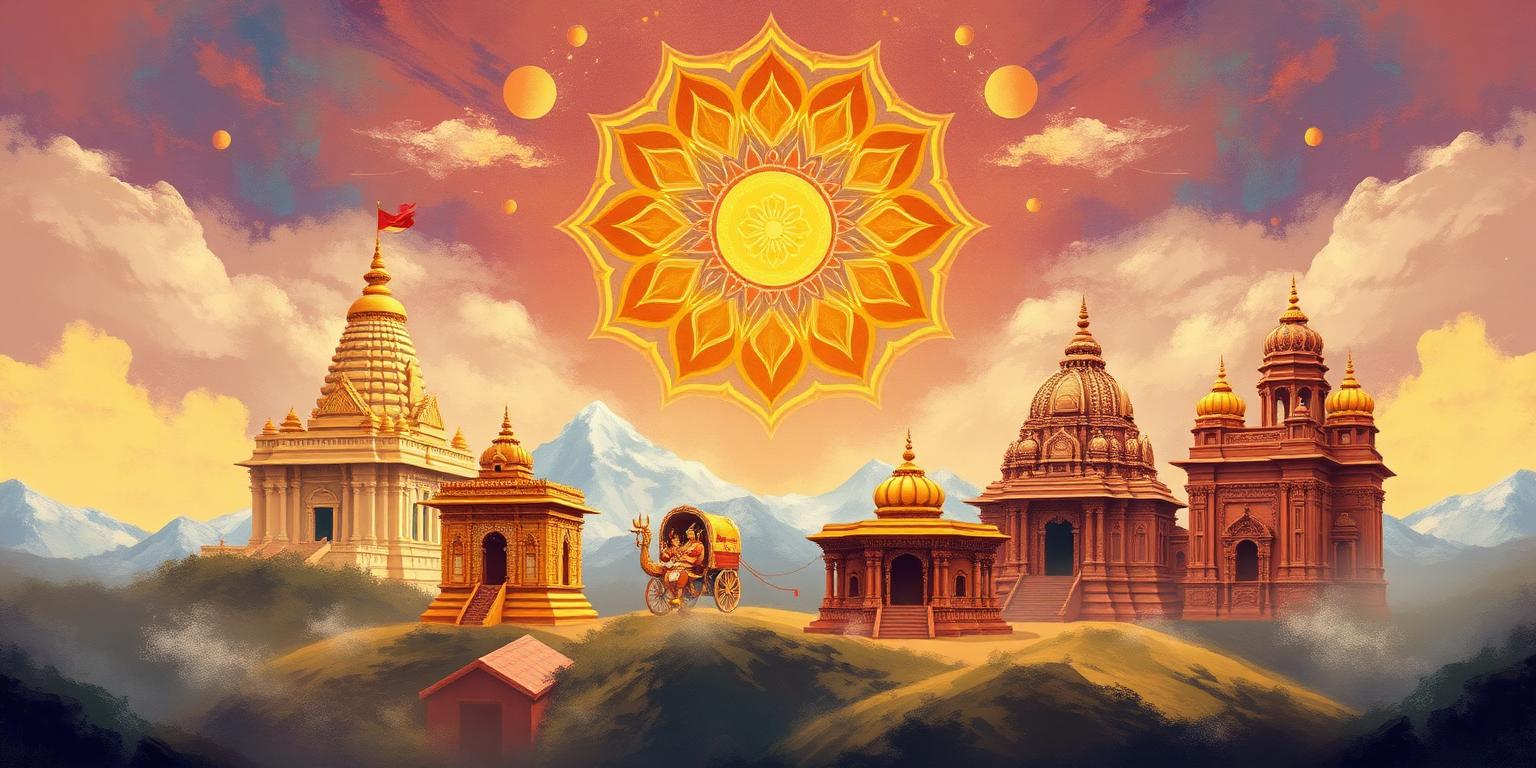
Four shrines at the four cardinal directions — together they enclose the land itself as a single living mandala of devotion.

Unity of Traditions

Three Vaiṣṇava abodes and one great Śaiva abode — the Char Dham declares that all paths arrive at the one Divine.

Four Vedas, Four Yugas

Each Dham is wedded to one of the four Vedas and one of the four cosmic ages — a pilgrimage across time as well as space.

The Pilgrimage of a Lifetime

To complete the Char Dham is, in tradition, to circumambulate the whole of Bhārata and earn the merit of countless tapas.

From Himalaya to Ocean

Snow peaks of Badrinath, the Arabian Sea at Dwarka, the Bay of Bengal at Puri, the Indian Ocean at Rameshwaram — every great water sanctified.

Mokṣa — Liberation

Each Dham, on its own, is a mokṣa-puri. Together they are said to open every gate that still keeps the soul from the Divine.

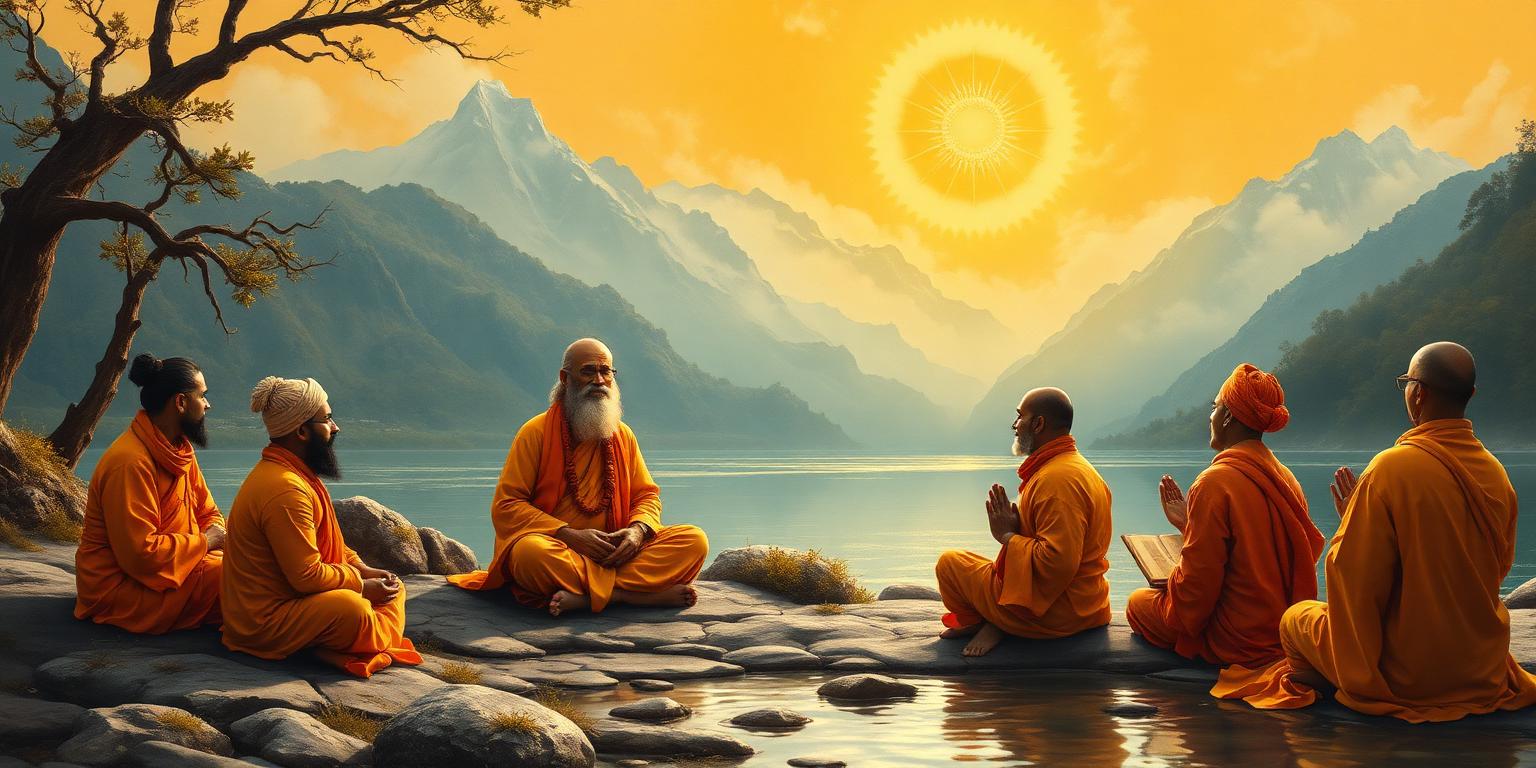
Adi Shankaracharya teaching disciples

Ādi Śaṅkarācārya · The Unifier of Bhārata

When One Sage Walked the Four Directions

In a life of only thirty-two years, Ādi Śaṅkara crossed the subcontinent on foot — debating, restoring temples, composing hymns of unparalleled beauty, and planting four maṭhas at the four directions: Jyotirmaṭha in the north, Sāradā in the west, Govardhana in the east and Śṛṅgerī in the south. Around them rose the Char Dham — a living geography of Advaita, the teaching that all this is One.

एकं सद्विप्रा बहुधा वदन्ति ॥

"Truth is One; the wise call it by many names."

Chapter II

The Four Sacred Abodes

Each Dhām carries its own deity, Veda, yuga and direction — and together they form the whole.

Badrinath Dham
1

बद्रीनाथ

Badrinath Dhām

North · Uttarakhand
Deity
Bhagavān Badrīnārāyaṇa (Viṣṇu)
Veda
Ṛgveda
Yuga
Satya Yuga

High in the Himalayas, beside the Alakanandā at over 3,000 metres, Viṣṇu performed tapas as a child beneath a badrī tree — Lakṣmī sheltering him as the tree itself. The shrine, open only six months a year, is the northernmost of the four Dhāms and one of the 108 Divya Deśams. Rebuilt and re-consecrated by Ādi Śaṅkarācārya, it remains the supreme Himalayan abode of Nārāyaṇa.

Dwarka Dham
2

द्वारका

Dwarka Dhām

West · Gujarat
Deity
Bhagavān Dvārakādhīśa (Kṛṣṇa)
Veda
Sāmaveda
Yuga
Dvāpara Yuga

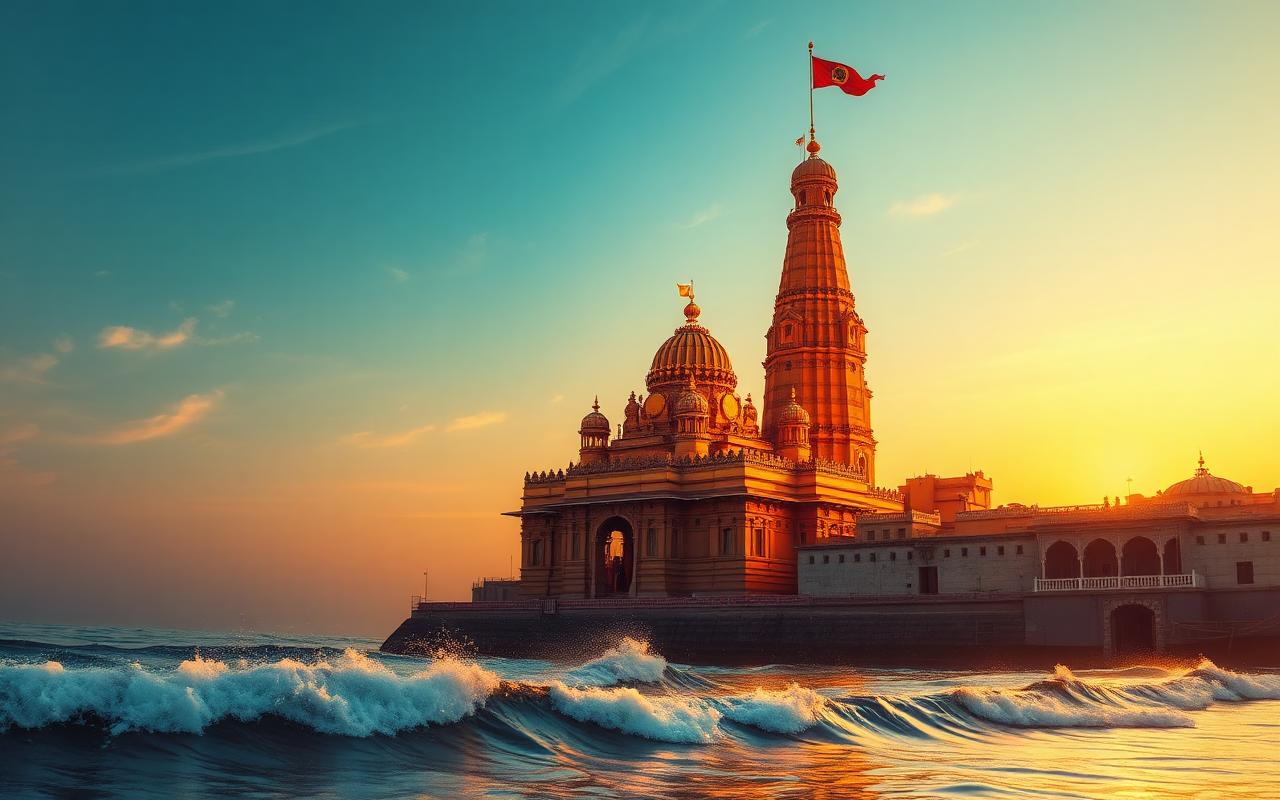
Kṛṣṇa's own city by the Arabian Sea — built on land he reclaimed from the ocean, and reclaimed by the ocean after he left this world. The Dvārakādhīśa temple rises in golden stone above the surf; Bet Dvārakā, the island where the Lord dwelt, lies a little offshore. One of the seven mokṣa-purīs, and the western gate of the Char Dham.

Puri Dham
3

पुरी (जगन्नाथ)

Puri Dhām

East · Odisha
Deity
Bhagavān Jagannātha · Balabhadra · Subhadrā
Veda
Yajurveda
Yuga
Tretā Yuga

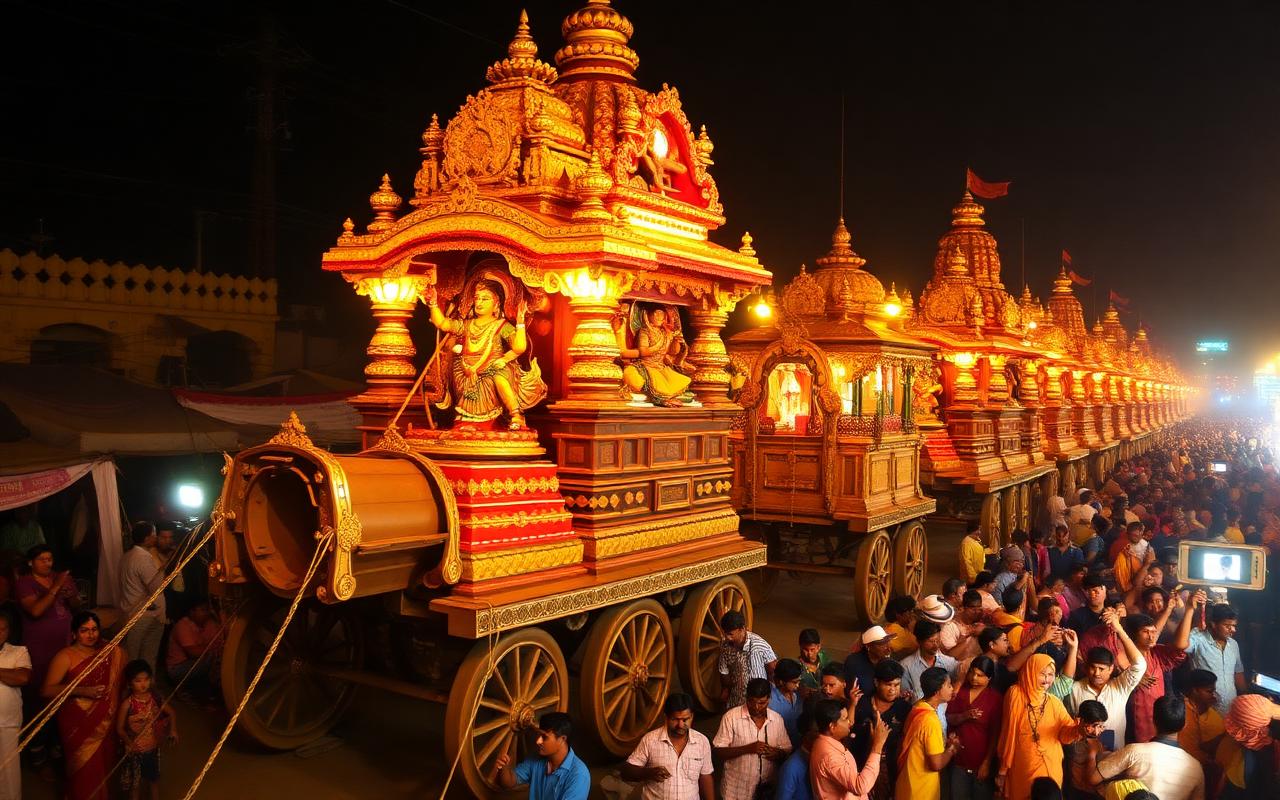
On the Bay of Bengal stands the great temple of Jagannātha — Lord of the Universe — with his elder brother Balabhadra and sister Subhadrā. King Indradyumna received the deities in a divine dream. Every year the three siblings emerge on towering wooden chariots in the Ratha Yātrā, and the Lord himself comes out to embrace every soul, regardless of caste or creed.

Rameshwaram Dham
4

रामेश्वरम्

Rameshwaram Dhām

South · Tamil Nadu
Deity
Bhagavān Rāmanāthasvāmin (Śiva)
Veda
Atharvaveda
Yuga
Kali Yuga

On Pamban island at the southern tip of Bhārata, where Rāma built the bridge to Laṅkā. After the war, to atone for slaying Rāvaṇa — a brāhmaṇa and great devotee of Śiva — Rāma worshipped a liṅga of sand fashioned by Sītā. Both a Jyotirliṅga and a Dhām, Rāmeśvaram is the great meeting place of Vaiṣṇava and Śaiva devotion.

Chapter III

The Chhota Char Dham of the Himalayas

A second circuit, nestled within the Himalayas of Uttarakhand — the sources of the great rivers and the seats of Shiva, Vishnu and the Mother.

Chota Char Dham (Uttarakhand)

Within the Himalayas, four shrines form a smaller circuit — Yamunotrī, Gaṅgotrī, Kedārnāth and Badrīnāth — the sources of the great rivers and the seats of Śakti, Gaṅgā, Śiva and Viṣṇu.

Yamunotrī

The source of the Yamunā — Goddess of compassion, daughter of Sūrya, sister of Yama. The yātrā begins here, with hot springs at her feet.

Gangotrī

Where Mother Gaṅgā descended from heaven to liberate the ancestors of Bhagīratha — the holiest of all rivers, falling onto Śiva's matted hair.

Kedārnāth

Among the highest of the twelve Jyotirliṅgas — where Śiva, fleeing the Pāṇḍavas in the form of a bull, left his hump in the rock to be worshipped forever.

Chapter IV

In Praise of the Four Dhāms

A traditional verse uniting Nārāyaṇa, Mādhava, Puruṣottama and Rāmeśa in a single breath.

Skanda Purāṇa · In praise of the Four Dhāms

बद्र्यां नारायणं वन्दे द्वारकायां च माधवम् । पुरुषोत्तमं तु पुर्यां च रामेशं सेतुमध्यगम् ॥ चतुर्धामाश्रिता मुक्तिः चतुर्वेदसमन्विता । यो यात्रां कुरुते भक्त्या सर्वपापैः प्रमुच्यते ॥

"I bow to Nārāyaṇa at Badarī, to Mādhava at Dvārakā, to Puruṣottama at Puri, and to Rāmeśa amidst the bridge. The four Dhāms hold liberation within them, joined with the four Vedas — whoever undertakes their pilgrimage with devotion is freed from every sin."

Chapter V

Yātrā & Practice

How devotees through the centuries have walked the four directions.

Traditional Order of Yātrā

Many pilgrims begin at Puri in the east and move clockwise — Rameshwaram in the south, Dwarka in the west, Badrinath in the north — completing a sacred parikrama of Bhārata itself.

Best Times to Visit

Badrinath and the Himalayan shrines open roughly from late April to early November. Puri's Ratha Yātrā falls in Āṣāḍha; Janmāṣṭamī at Dwarka and Mahāśivarātri at Rameshwaram are especially auspicious.

Approach with Reverence

Bathe in the sacred waters before darśana — Alakanandā at Badrinath, Gomatī at Dwarka, the sea at Puri, and Agni Tīrtham at Rameshwaram. Carry tulasī, flowers and a clear sankalpa of the journey.

Inner Pilgrimage

The four Dhāms also dwell within — the Himalaya of stillness, the ocean of bliss, the chariot of surrender, the bridge of devotion. The outer yātrā ends where the inner one begins: in the cave of one's own heart.

Conclusion

The Complete Sacred Journey

॥ ॐ तत्सत् ॥

From the snow of Badrīnāth to the surf of Dvārakā, from the chariots of Puri to the sands of Rāmeśvaram — the four Dhāms enclose every direction of Bhārata, every Veda, every age. To walk them is to circumambulate the Divine itself. The true Char Dham, in the end, are not four places but four gates within — north of clarity, west of surrender, east of devotion, south of dharma — all opening into the one heart of the Lord.