The 12 Jyotirlingas

Dvādaśa Jyotirliṅga

The 12 Jyotirlingas

॥ द्वादश ज्योतिर्लिङ्गानि ॥

Twelve self-manifested pillars of Shiva's infinite light — radiant abodes uniting Bharat from sea to Himalaya.

॥ ॐ ॥

12

Jyotirlingas

9

States Spanned

Śiva Purāṇa

Primary Source

Śaiva

Tradition

Introduction

Pillars of Infinite Light

॥ ॐ नमः शिवाय ॥

Jyotirliṅga joins two words — jyoti, the inner radiance of consciousness, and liṅga, the form-mark in which the formless can be worshipped. Each shrine is therefore both a temple and a teaching: that Shiva is at once the all-pervading Light and the personal Lord who comes near.

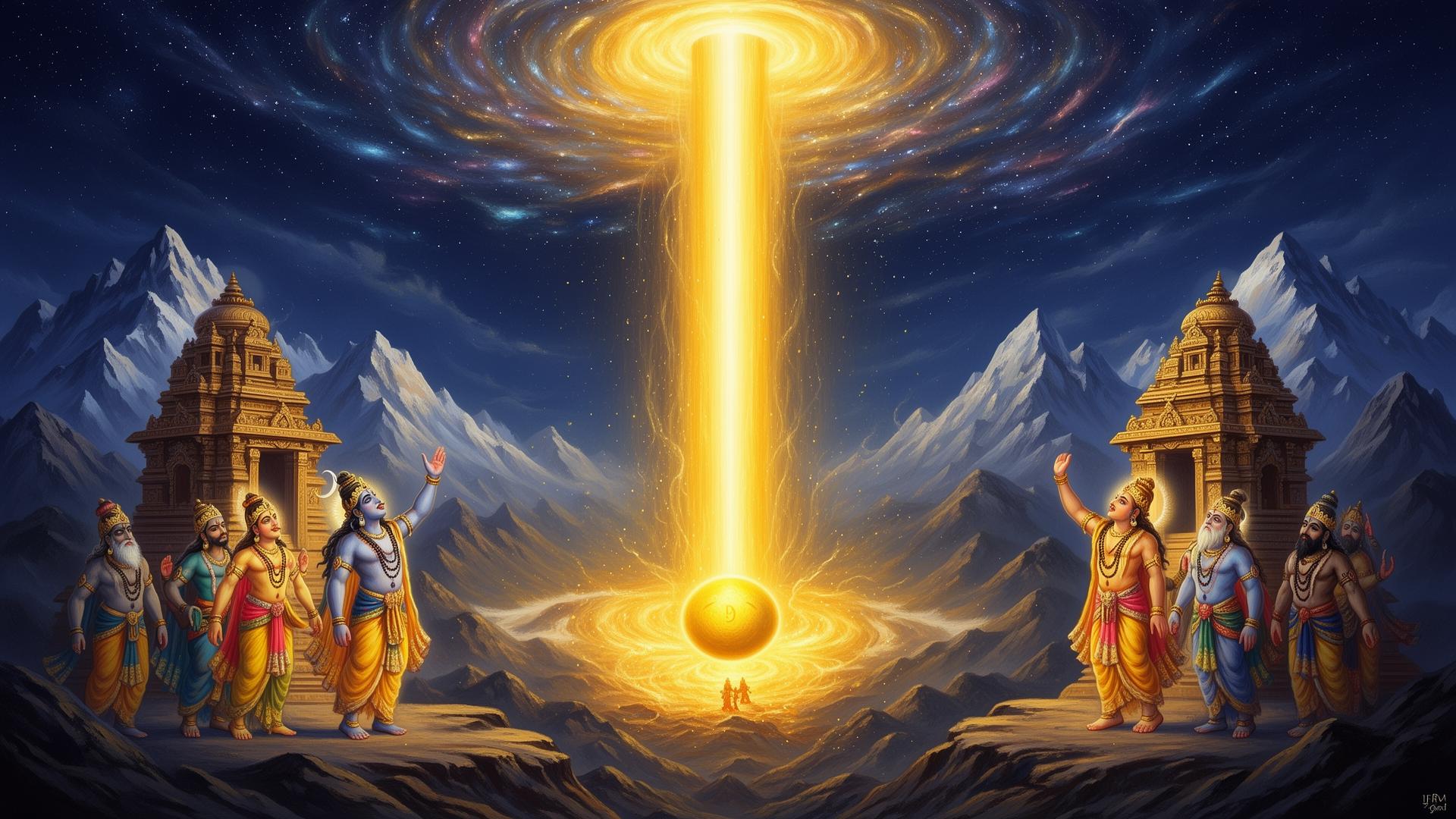
The Śiva Purāṇa tells how, when Brahmā and Viṣṇu quarrelled over supremacy, Shiva appeared as an endless column of fire whose ends neither could find. To bless devotees with a fragment of that infinity, he then manifested at twelve sites across the land — from Somnath by the Arabian Sea to Rameshwaram in the deep south, from Kedarnath in the Himalayas to Viśvanāth at Kashi.

Together they form a sacred geography — and a single living invitation: "Come, see; the same light that fills the cosmos shines here, in this stone, for you."
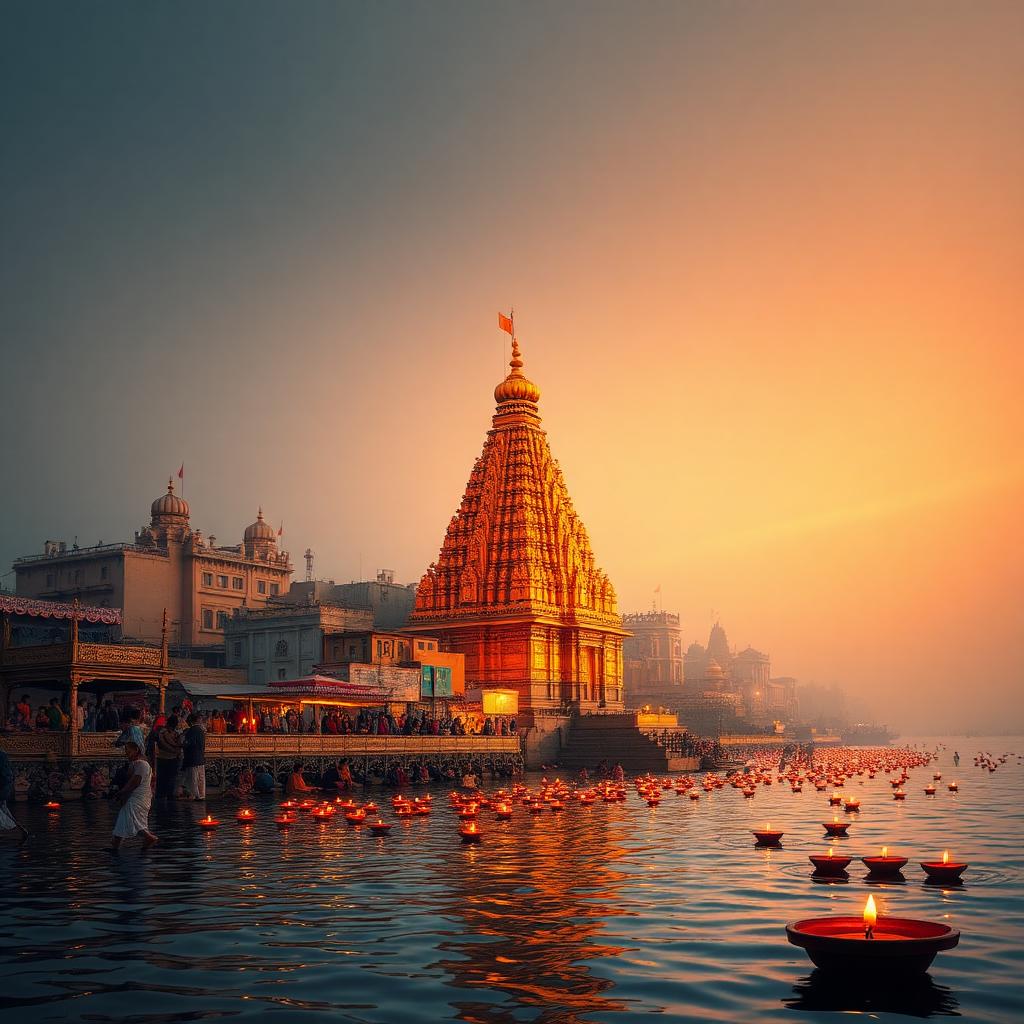
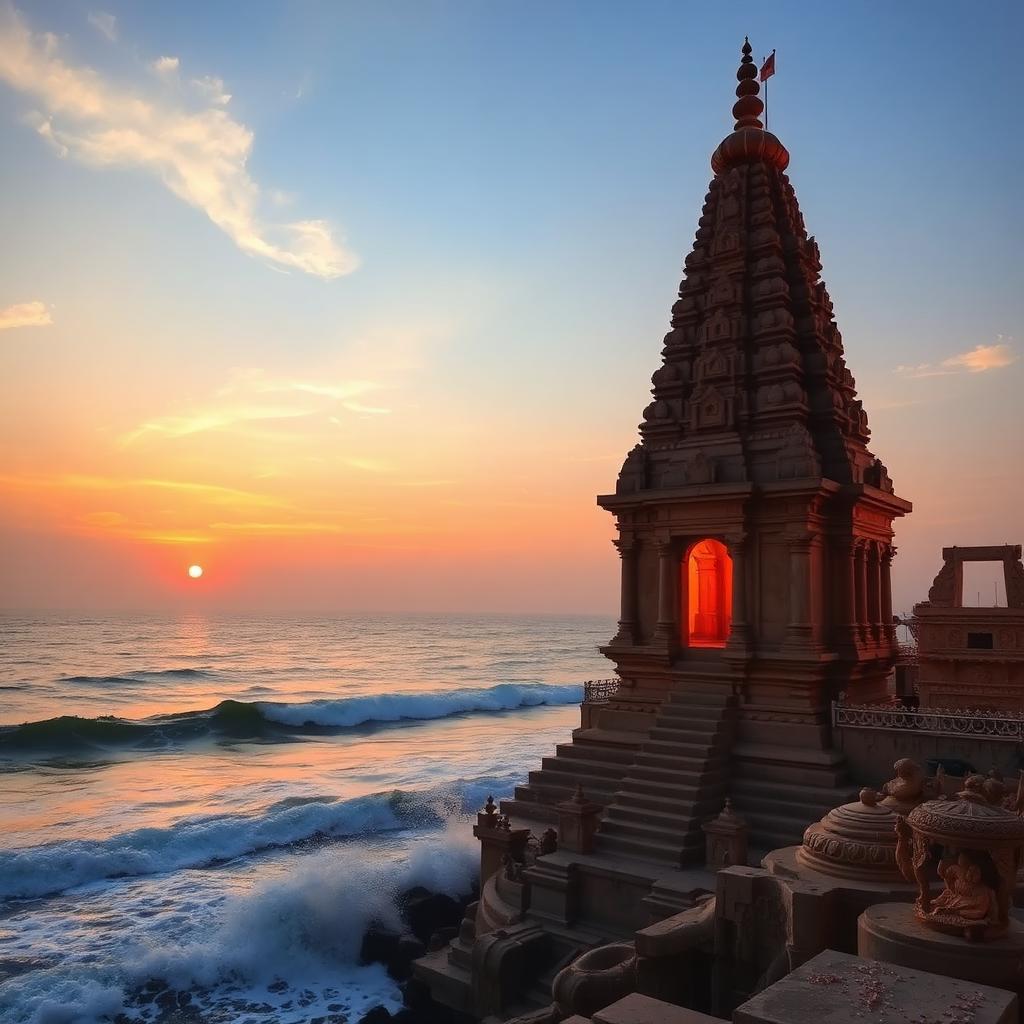
Kashi Vishwanath at sunrise on the Ganga
Kāśī Viśvanātha — the eternal lord of the city of light

Chapter I

The Inner Meaning

Six teachings encoded in every Jyotirliṅga — the same Shiva, glimpsed from twelve directions.

Shiva as Infinite Light

The jyoti aspect points to Shiva as radiant, all-pervading consciousness — beyond every form yet shining within all.

Form and Formless

The liṅga is the meeting point where the formless Absolute becomes accessible as form — for darśana, worship, and meditation.

Devotion and Grace

Each legend shows how sincere bhakti — from kings, demons, sages or unknown villagers — invokes Shiva's boundless presence.

Pilgrimage as Inner Journey

The yātrā across twelve shrines is also a movement from darkness to light, ignorance to wisdom, separation to union.

Unity in Diversity

From the Arabian Sea to the Himalayas, twelve regions and tongues — one Shiva, one light, one Dharma.

Healing and Mokṣa

Mahākāla conquers time; Vaidyanāth heals the body; Viśvanāth grants liberation. Every shrine is a doorway.

Shiva as the infinite pillar of light

Śiva Purāṇa · The Pillar Without End

When Brahmā and Viṣṇu Sought the End

Brahmā soared upward as a swan and Viṣṇu plunged below as a boar — each in search of the pillar's end. Aeons passed. Neither reached it. Then Shiva himself stepped out of the light: "I have neither beginning nor end. I am That from which both of you arise."

ज्योतिर्लिङ्गं तदुद्भूतं तस्य पारं न विद्यते ॥

"From that there arose the Jyotirliṅga, of which no end can be found."

Chapter II

The Twelve Sacred Abodes

Each shrine carries its own sthala-purāṇa — a unique story of how Shiva chose to dwell there.

Somnath Jyotirlinga
1

सोमनाथ

Somnath Jyotirliṅga

Prabhas Patan · Gujarat

The Moon God, cursed by Daksha, prayed here and Shiva restored his radiance. Facing the Arabian Sea, Somnath has been destroyed and rebuilt many times — the eternal symbol of faith that cannot be erased.

Mallikarjuna Jyotirlinga
2

मल्लिकार्जुन

Mallikarjuna Jyotirliṅga

Srisailam · Andhra Pradesh

The only Jyotirlinga of the South. When Kārtikeya left Kailash in anger, Shiva and Parvati followed him to Srisailam on the Krishna river — a great seat of both Śaiva and Śākta worship.

Mahakaleshwar Jyotirlinga
3

महाकालेश्वर

Mahakaleshwar Jyotirliṅga

Ujjain · Madhya Pradesh

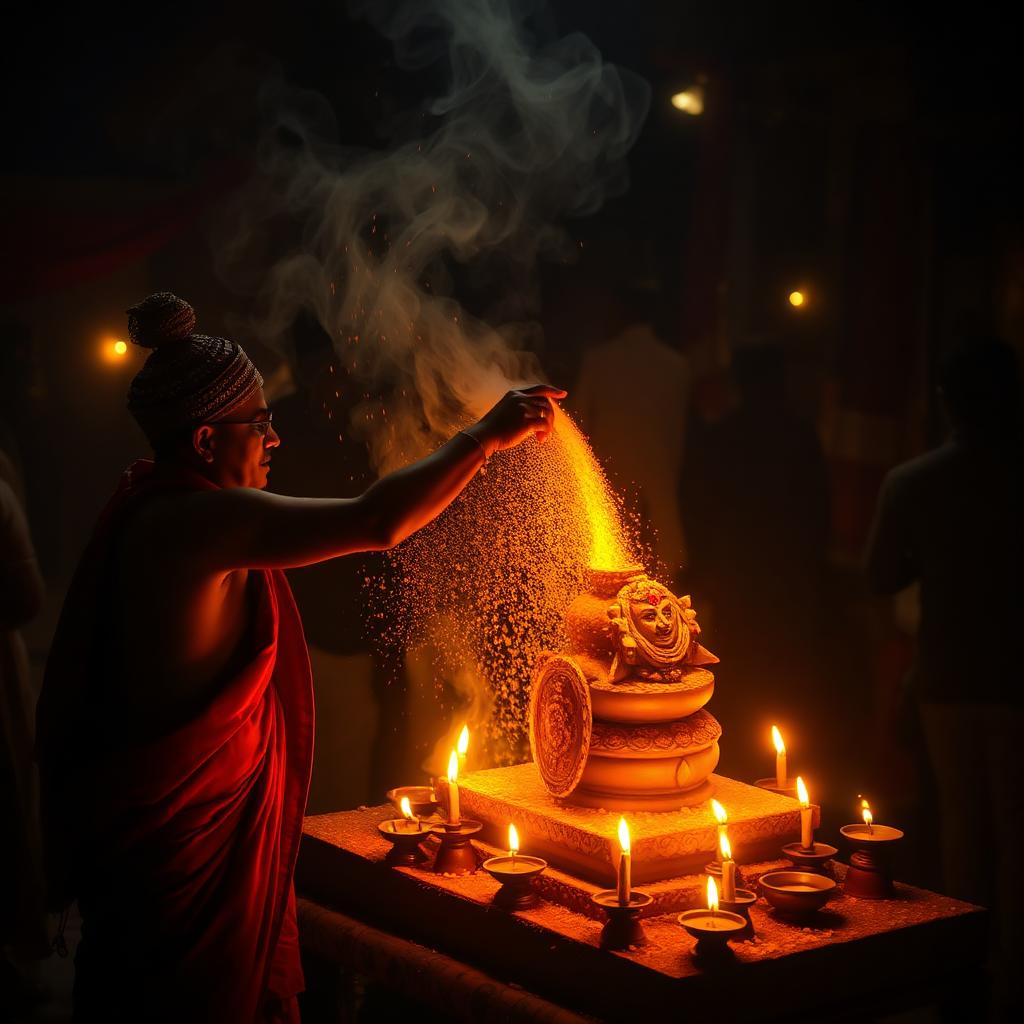
The only south-facing liṅga, lord of time and death. The demon Dūṣaṇa was destroyed here. Famed for the pre-dawn Bhasma Āratī — sacred ash offered to Mahākāla, the conqueror of mortality.

Omkareshwar Jyotirlinga
4

ओङ्कारेश्वर

Omkareshwar Jyotirliṅga

Mandhata Island · Madhya Pradesh

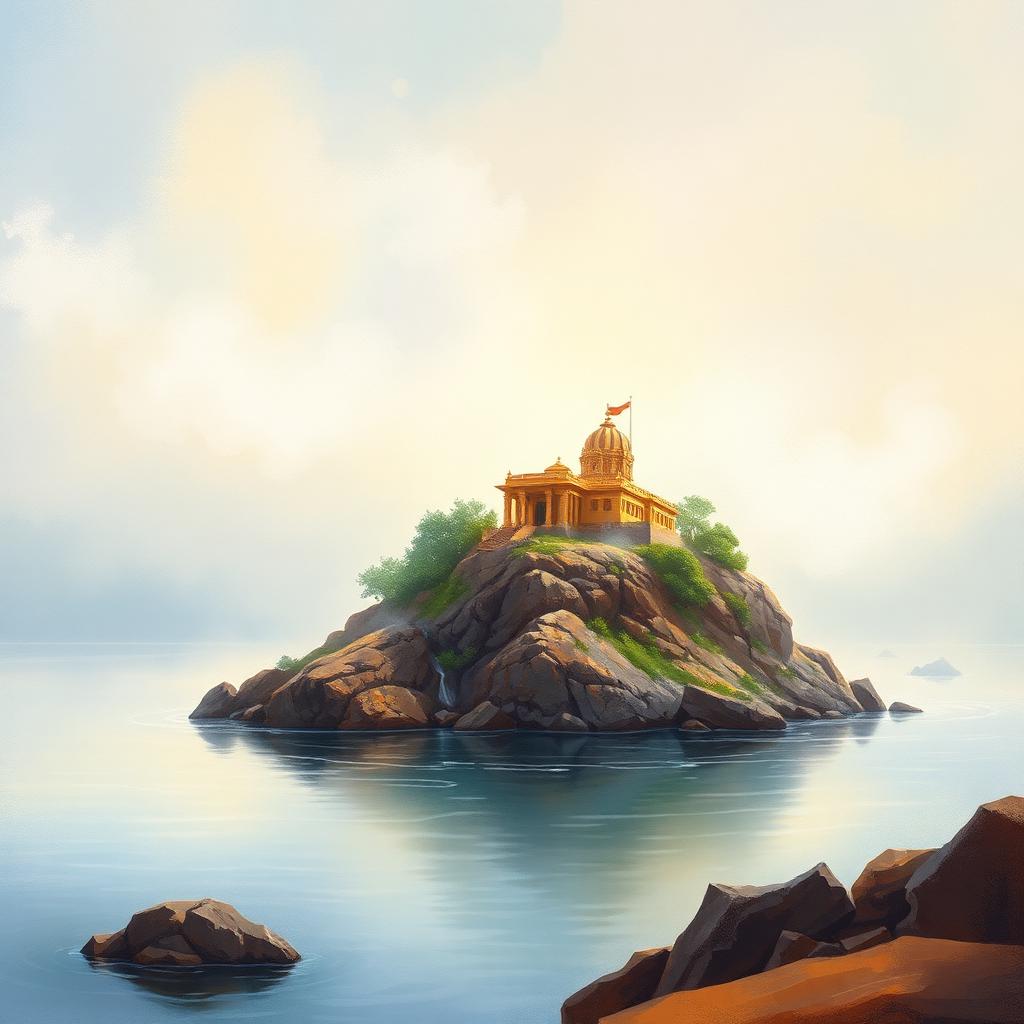
An island in the Narmada shaped like the syllable Om. Sage Agastya and the Vindhya mountain's penance drew Shiva here — the place where sound, river and stone become one mantra.

Vaidyanath Jyotirlinga
5

वैद्यनाथ

Vaidyanath Jyotirliṅga

Deoghar · Jharkhand

Ravana's penance won him the ātma-liṅga — but tricked into setting it down, it rooted to the earth. Shiva manifested here as the Divine Physician (Vaidyanāth), drawing pilgrims for healing and the great Shravani Mela.

Bhimashankar Jyotirlinga
6

भीमाशङ्कर

Bhimashankar Jyotirliṅga

Sahyadri Hills · Maharashtra

Hidden in the Western Ghats, this is where Shiva slew the tyrant Bhīma. The forest shrine is one of the sources of the Bhīmā river — a wilderness of devotion.

Rameshwaram Jyotirlinga
7

रामेश्वरम्

Rameshwaram Jyotirliṅga

Rameshwaram · Tamil Nadu

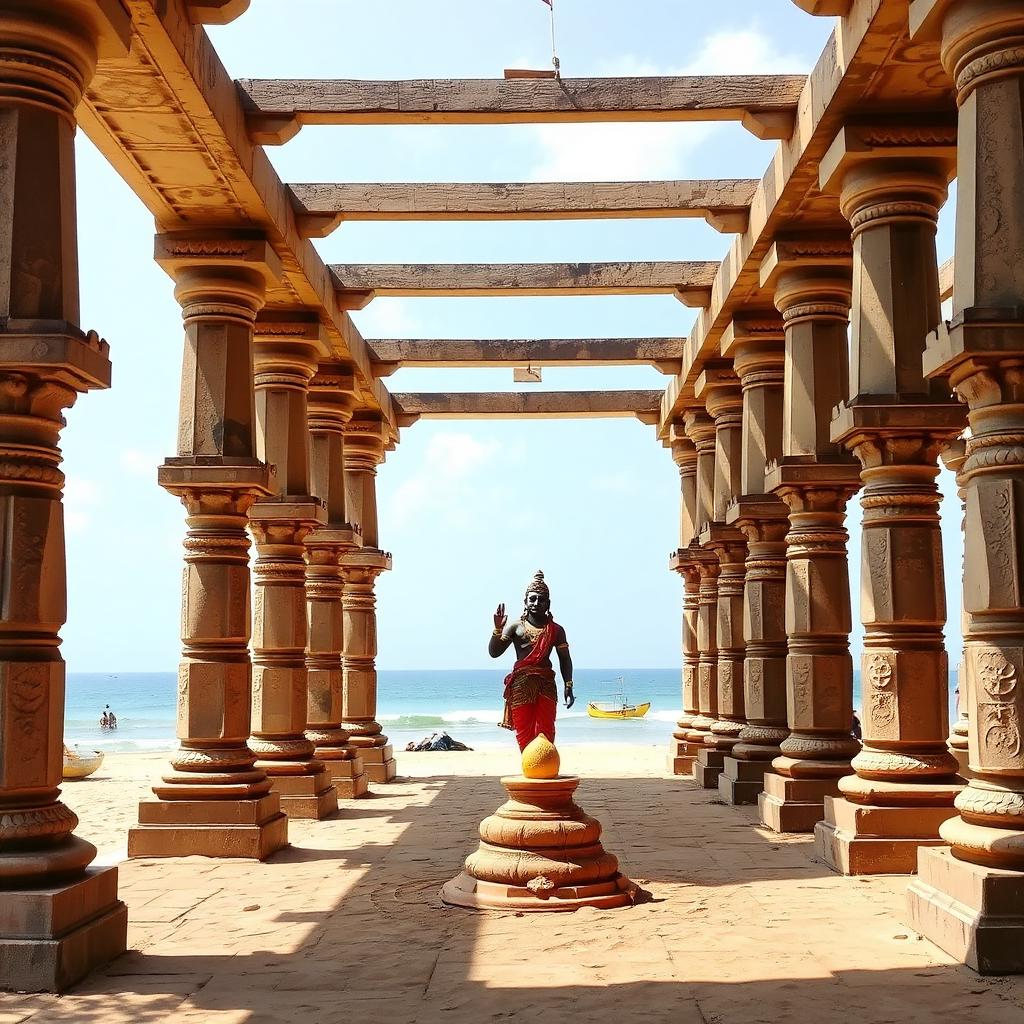
Established by Śrī Rāma himself to atone for slaying Rāvaṇa — a Brāhmaṇa and devotee of Shiva. The temple's pillared corridor is the longest in India, and the bridge between Vaiṣṇava and Śaiva hearts.

Nageshwar Jyotirlinga
8

नागेश्वर

Nageshwar Jyotirliṅga

Dwarka Region · Gujarat

Shiva manifested to protect his devotees from the demon Dāruka and his serpentine queen. Nāgeśvara is invoked against poison of every kind — and as the lord who awakens the inner serpent of kuṇḍalinī.

Vishwanath Jyotirlinga
9

विश्वनाथ

Vishwanath Jyotirliṅga

Varanasi (Kashi) · Uttar Pradesh

The eternal lord of Kashi, the spiritual capital of Bhārata. It is said that whoever dies in Kashi receives the Tāraka mantra from Shiva himself and is liberated — the city that never sleeps in its devotion to Viśvanātha.

Trimbakeshwar Jyotirlinga
10

त्र्यम्बकेश्वर

Trimbakeshwar Jyotirliṅga

Nashik · Maharashtra

At the source of the Godāvarī, the liṅga bears three faces — Brahmā, Viṣṇu and Śiva. Sage Gautama's penance drew the river down here. A great centre for pitṛ rites and the Siṃhastha Kumbh.

Kedarnath Jyotirlinga
11

केदारनाथ

Kedarnath Jyotirliṅga

Garhwal Himalayas · Uttarakhand

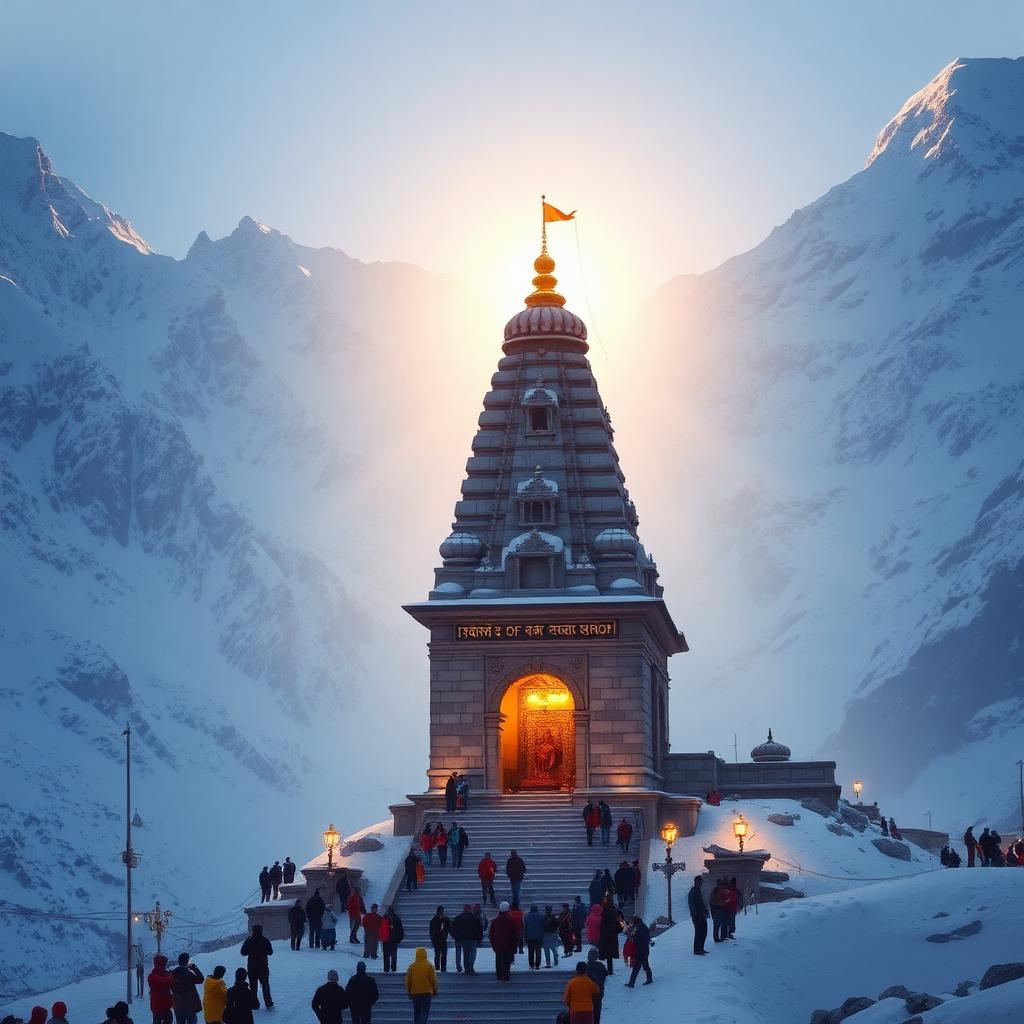
High in the snow-bound peaks, where the Pāṇḍavas pursued Shiva for forgiveness after Kurukshetra. He fled as a bull, and his hump remained at Kedār — a shrine open only when the mountains permit.

Grishneshwar Jyotirlinga
12

घृष्णेश्वर

Grishneshwar Jyotirliṅga

Verul (near Ellora) · Maharashtra

The last of the twelve, beside the Ellora caves. A devoted wife's unbroken faith brought her dead son back from a sacred tank — and Shiva manifested forever after as Ghṛṣṇeśvara.

Chapter III

The Dvādaśa Jyotirliṅga Stotram

The traditional hymn that names all twelve abodes in a single breath.

Dvādaśa Jyotirliṅga Stotram

सौराष्ट्रे सोमनाथं च श्रीशैले मल्लिकार्जुनम् । उज्जयिन्यां महाकालमोङ्कारममलेश्वरम् ॥ परल्यां वैद्यनाथं च डाकिन्यां भीमशङ्करम् । सेतुबन्धे तु रामेशं नागेशं दारुकावने ॥ वाराणस्यां तु विश्वेशं त्र्यम्बकं गौतमीतटे । हिमालये तु केदारं घृष्णेशं च शिवालये ॥ एतानि ज्योतिर्लिङ्गानि सायं प्रातः पठेन्नरः । सप्तजन्मकृतं पापं स्मरणेन विनश्यति ॥

"Somanātha in Saurāṣṭra, Mallikārjuna at Śrīśaila, Mahākāla in Ujjayinī, the pure Oṃkāra-Amaleśvara, Vaidyanātha at Parali, Bhīmaśaṅkara in the Ḍākinī forest, Rāmeśa at the bridge, Nāgeśa in the Dāruka wood, Viśveśa in Vārāṇasī, Tryambaka on the Gautamī's bank, Kedāra in the Himalayas and Ghṛṣṇeśa at Śivālaya — whoever recites these twelve Jyotirliṅgas at dawn and dusk is freed from the sin of seven births."

Chapter IV

Yātrā & Practice

How devotees through the centuries have approached the twelve lights.

Jyotirliṅga Yātrā

Many devotees aspire to visit all twelve in their lifetime — moving from Somnath in the west to Rameshwaram in the south, Kashi in the east and Kedarnath in the north. The circuit itself becomes a tapas.

Best Times to Visit

Mahāśivarātri (Phālguna), the month of Śrāvaṇa, every Monday (Somavāra) and Pradoṣa days are considered most auspicious for darśana of any Jyotirliṅga.

Approach with Reverence

Bathe before darśana, wear clean traditional attire, carry bel-patra, water and flowers, circumambulate clockwise where permitted, and remain in silence before the liṅga.

Inner Pilgrimage

External yātrā is only half. The same twelve lights are said to shine within — at the heart, the breath, the senses and the silence between thoughts. The true pilgrimage ends in the cave of one's own heart.

Conclusion

The Eternal Radiance of Shiva

॥ ॐ नमः शिवाय ॥

The twelve Jyotirlingas are not merely temples of stone — they are living embodiments of the same light that pulses behind every star and every heartbeat. To visit them is good; to recognise that the same flame burns within is the journey they were always pointing to. From darkness to light, from death to immortality, from the many back to the One.