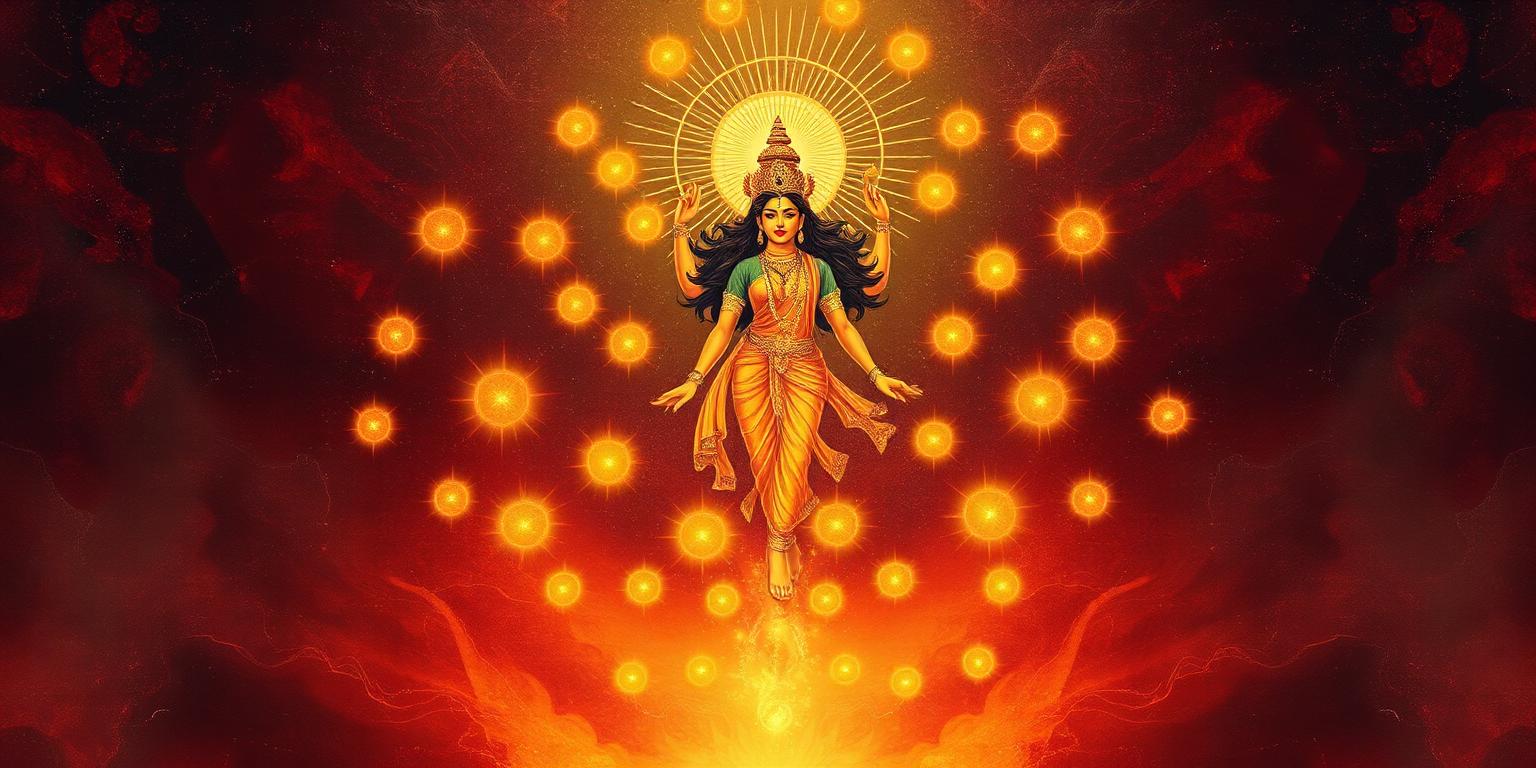
The 51 Shakti Peethas

Ekapañcāśat Śakti Pīṭha

The 51 Shakti Peethas

॥ एकपञ्चाशत् शक्तिपीठानि ॥

Fifty-one sacred seats where the body of the Divine Mother fell — the living geography of Shakti across Bhārata and beyond.

॥ ॐ ॥

51

Shakti Peethas

5+

Across Lands

Devī Bhāgavata · Kālikā · Śiva Purāṇa

Primary Sources

Śākta

Tradition

Introduction

Seats of the Divine Mother

॥ या देवी सर्वभूतेषु शक्तिरूपेण संस्थिता ॥

Śakti Pīṭha joins two words — Śakti, the dynamic creative power of the Divine, and pīṭha, a seat or throne. Each Peetha is a throne upon which the Mother chose to sit — not as distant queen but as living presence in stone, flame, river and rock.

When Sati gave up her body at Dakṣa's yajña, Shiva — mad with grief — bore her form across the cosmos in the great tāṇḍava. To halt his dance from undoing creation, Viṣṇu's Sudarśana cut her body into pieces, and wherever a limb fell, the earth itself became sanctified. From Hinglaj in the west to Kāmākhyā in the east, from Kāñcī in the south to Vaiṣṇo Devī in the north — fifty-one wounds of love that became fifty-one doorways of grace.

At each site dwells a unique form of the Goddess paired with her Bhairava — the fierce, protective form of Shiva. Together they declare: "The Mother is not far. Walk anywhere on this land, and you walk upon her body."
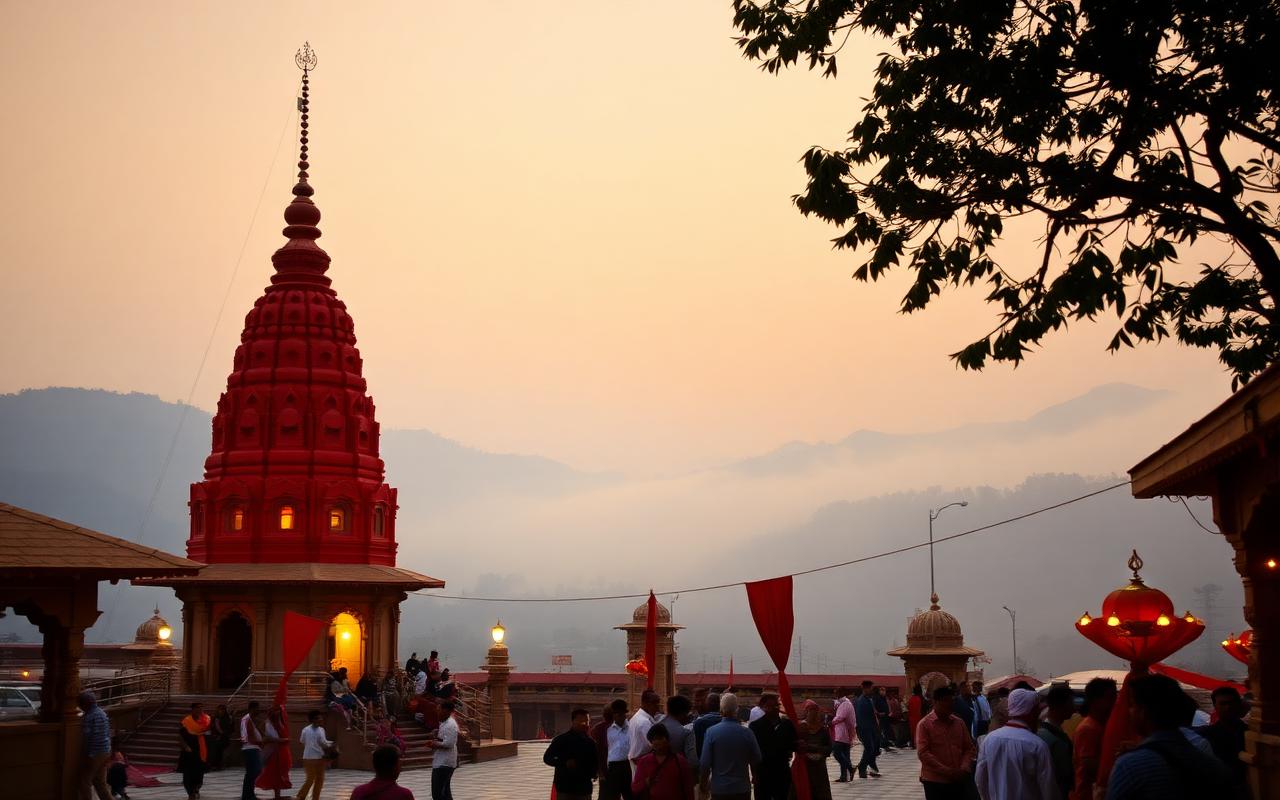
Kamakhya temple at dawn
Kāmākhyā — the womb of creation in the Nilachal hills

Chapter I

The Inner Meaning

Six teachings encoded in every Peetha — one Mother, glimpsed from fifty-one directions.

The Divine Feminine

Shakti is not consort but the very power that animates Shiva — the active, creative force from which all worlds arise.

Sacrifice and Transformation

Sati's self-offering shows how surrender of the ego becomes the seed of cosmic grace and the awakening of energy.

Shiva–Shakti Unity

Every Peetha pairs a Goddess with a Bhairava — consciousness and energy, the two faces of the one Reality.

Sacred Geography

Sati's body, scattered across Bhārata, sanctifies the land itself — turning rivers, hills and forests into living theology.

Pilgrimage as Inner Awakening

Outwardly a yātrā across Peethas; inwardly a rising of kuṇḍalinī through the cakras of the subtle body.

Bhakti and Tantra

From tender Bengali kīrtana to fierce tāntric sādhanā, the Mother receives every approach — soft as moonlight, fierce as lightning.

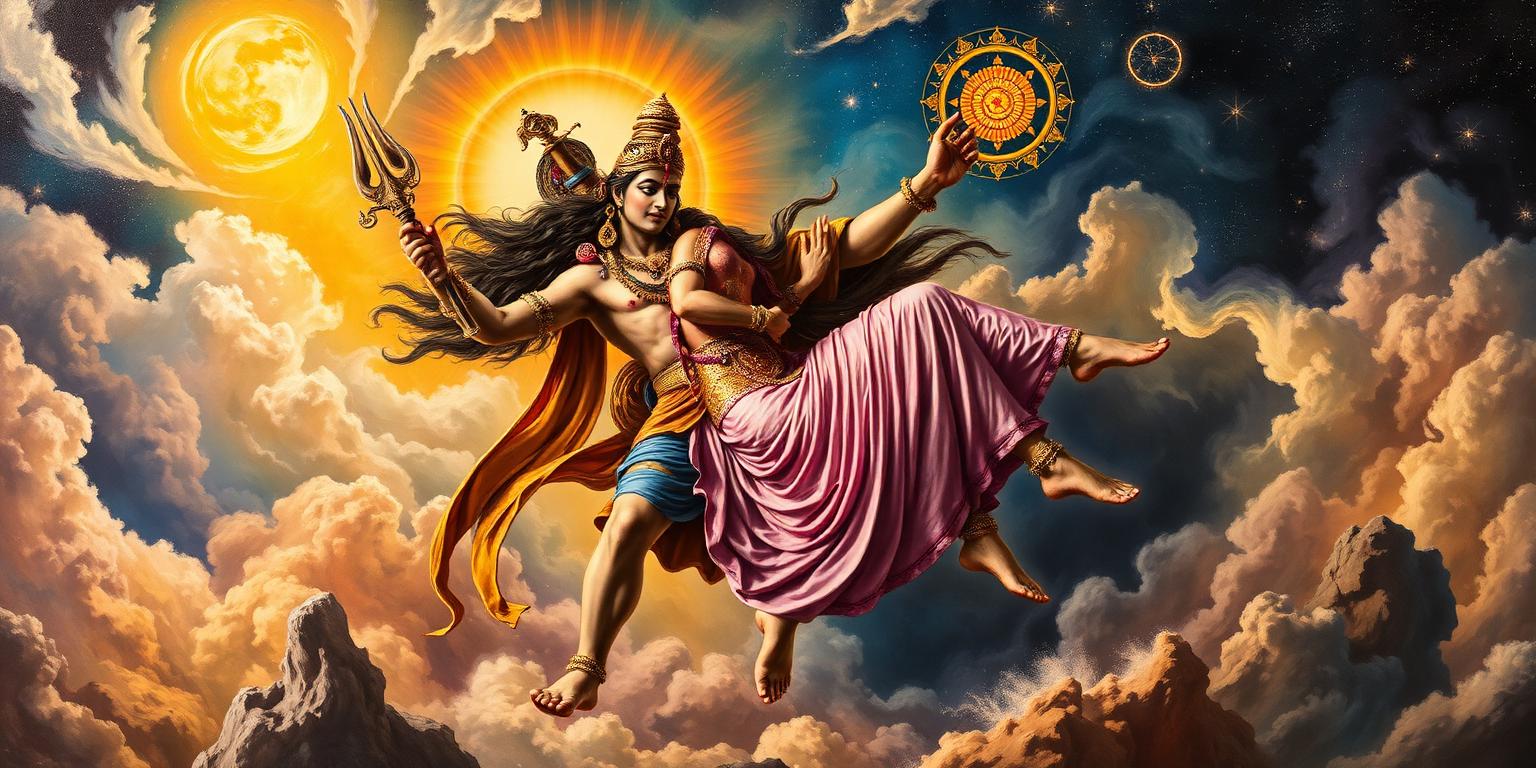
Shiva carrying Sati across the cosmos

Devī Bhāgavata · The Origin of the Peethas

When the Mother Fell Upon the Earth

Insulted by her father Dakṣa, Sati offered her body to the yogic fire. Shiva — beyond himself with grief — lifted her form and danced the tāṇḍava that would have unmade the worlds. Then Viṣṇu's Sudarśana released her limb by limb. Where each piece fell, the earth blossomed into a Peetha: "a wound of love that became a doorway of grace."

यत्र यत्र पतिताङ्गी सा शक्तिपीठं तदुच्यते ॥

"Wherever her limbs fell — that place is called a Shakti Peetha."

Chapter II

Among the Most Sacred Seats

A few of the fifty-one — each with its body-part, its Goddess, and its Bhairava — opening into the wider sacred body of the Mother.

Kamakhya Shakti Peetha
1

कामाख्या

Kamakhya Shakti Peetha

Nilachal Hills · Guwahati, Assam
Body part
Yoni (womb)
Bhairava
Umānanda

The most powerful tāntric Peetha. No idol stands in the sanctum — only a natural cleft in the rock, worshipped as the living yoni of the Goddess. During Ambubāchī Melā each year, the Mother is said to menstruate; the temple closes and reopens to celebrate her creative power.

Kalighat Shakti Peetha
2

कालीघाट

Kalighat Shakti Peetha

Kolkata · West Bengal
Body part
Right toes
Bhairava
Nakuleśa

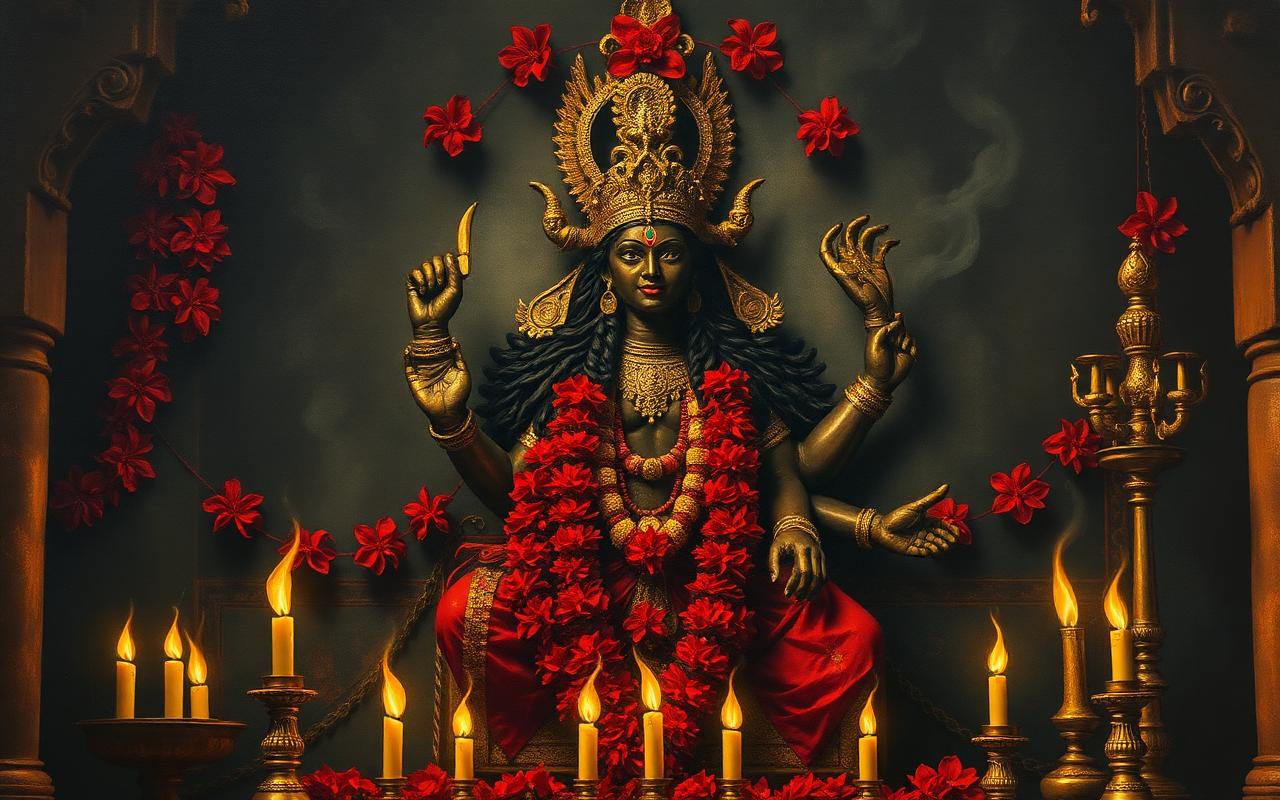
Sati's right toes fell on the banks of the Adi Ganga. The fierce, dark Kālī of Kalighat — tongue out, garlanded in hibiscus — is the beating heart of Bengali Shaktism, the goddess of Ramprasad's songs and Ramakrishna's vision.

Vaishno Devi Shakti Peetha
3

वैष्णो देवी

Vaishno Devi Shakti Peetha

Trikuta Hills · Jammu & Kashmir
Body part
Skull (traditional)
Bhairava
Bhairon Nāth

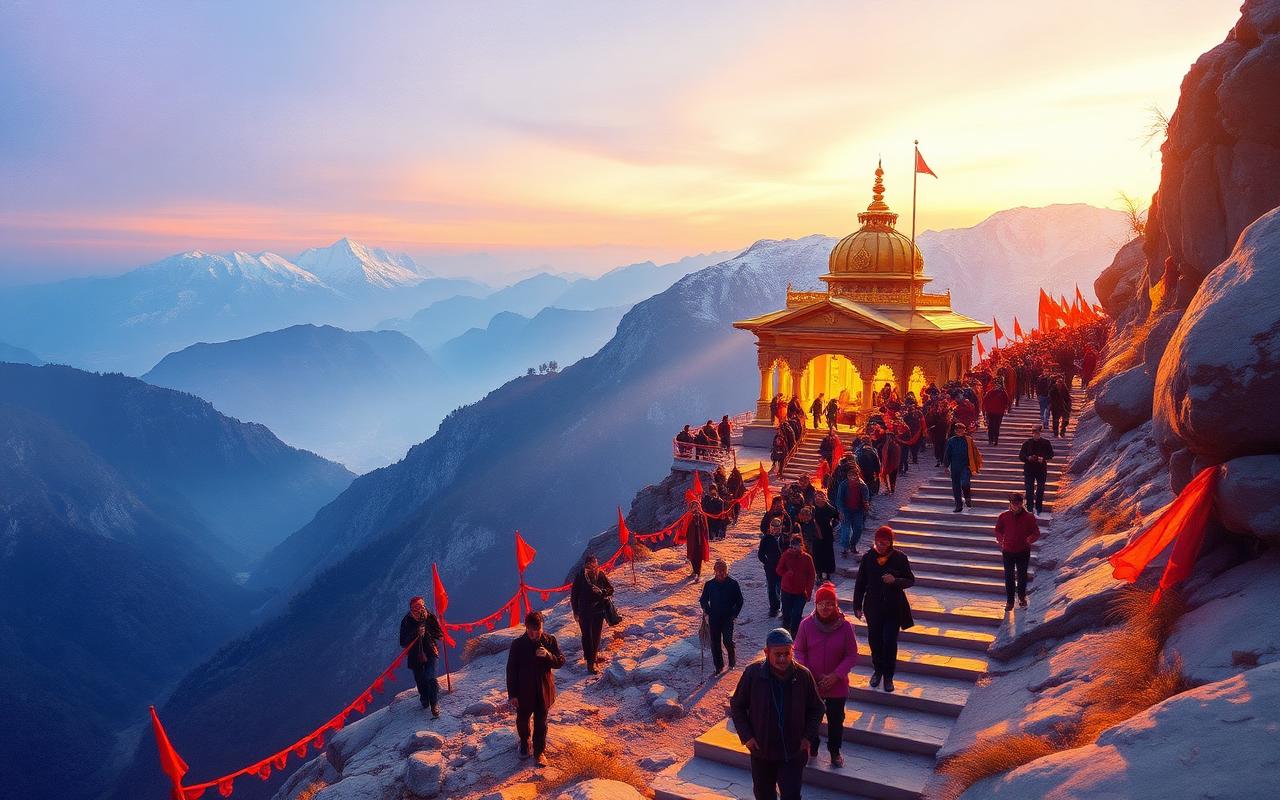
The Mother as eternal virgin, born of the combined tejas of Mahākālī, Mahālakṣmī and Mahāsarasvatī. Pilgrims climb the steep mountain to the holy cave where she is worshipped as three piṇḍīs of living rock.

Jwalamukhi Shakti Peetha
4

ज्वालामुखी

Jwalamukhi Shakti Peetha

Kangra · Himachal Pradesh
Body part
Tongue
Bhairava
Unmatta Bhairava

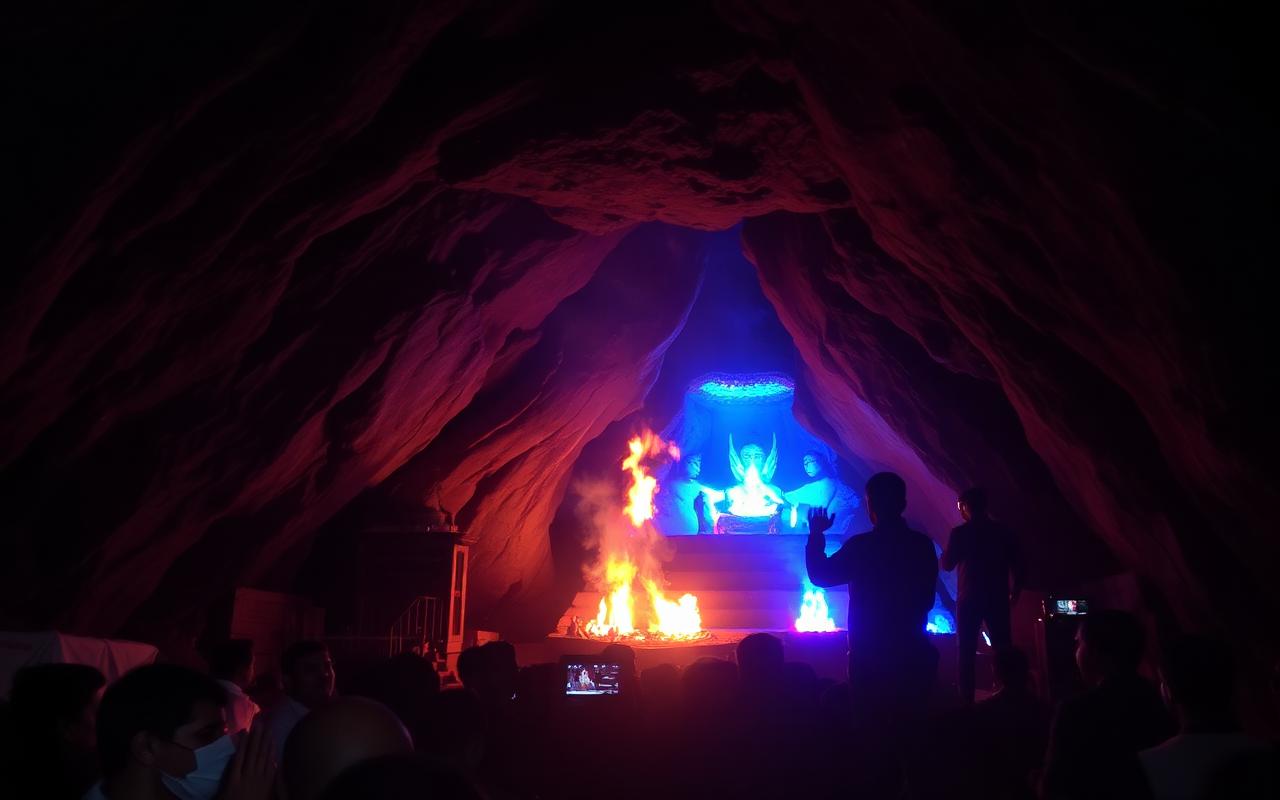
Sati's tongue fell here and burns still — nine eternal flames rise from the rock without fuel, worshipped as the fiery tongues of the Goddess. Even emperors who tried to extinguish them failed; the Mother's flame cannot be put out.

Kamakshi Shakti Peetha
5

कामाक्षी

Kamakshi Shakti Peetha

Kanchipuram · Tamil Nadu
Body part
Navel
Bhairava
Kāmeśvara

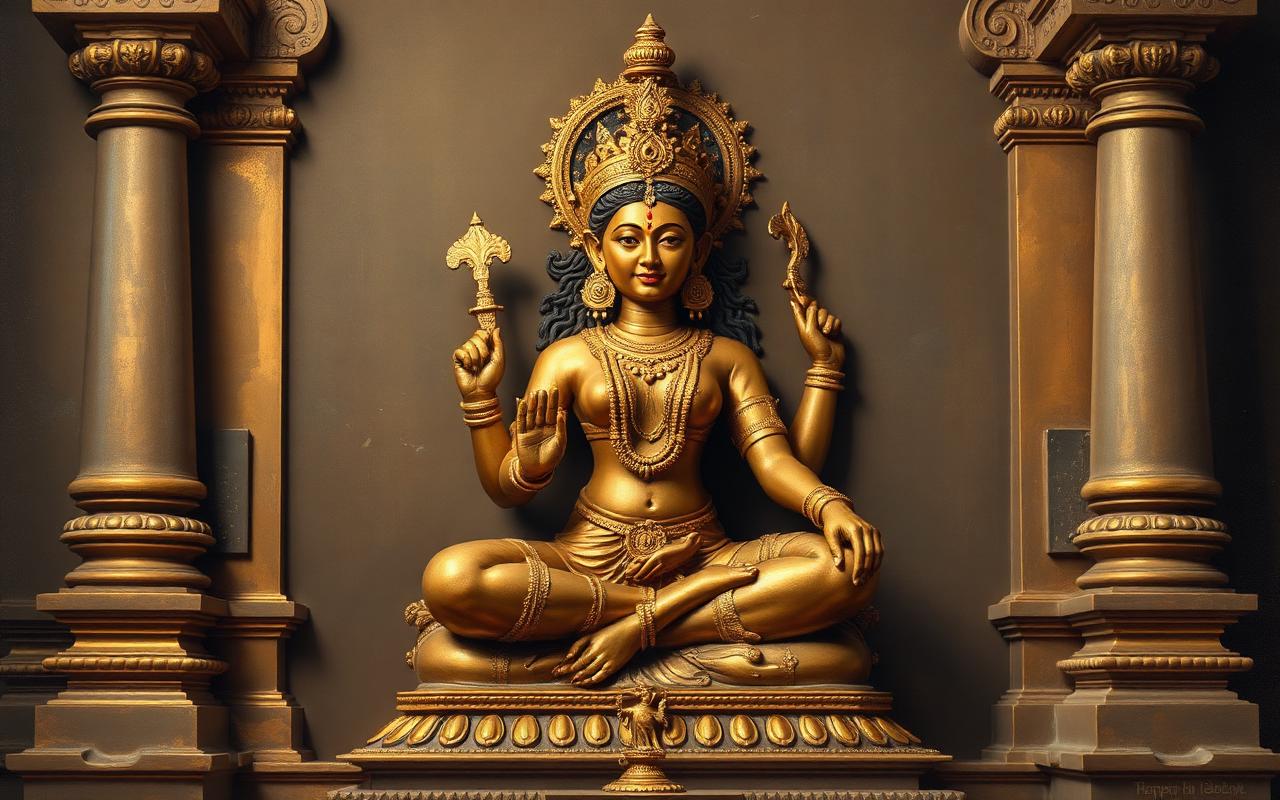
Sati's navel fell at Kāñcī. Here the Mother sits in serene padmāsana — sugarcane bow, flower arrows in hand — the supreme Lalitā of the Śrī Vidyā tradition, whose silent gaze is said to ripen the soul.

Tara Tarini Shakti Peetha
6

तारा तारिणी

Tara Tarini Shakti Peetha

Berhampur · Odisha
Body part
Breasts
Bhairava
Trinetra

Sati's breasts fell on this twin-peaked hill above the Rushikulya river — and so the Mother is worshipped here as Tārā and Tāriṇī, twin goddesses of nourishment and liberation, who feed the children of the world.

Chapter III

The Sacred Geography

The Peethas extend the Mother's body across an ancient civilisational landscape.

Bhārata — the Heart of the Peethas

The vast majority of the 51 Peethas lie within India — from Hinglaj in the west to Kāmākhyā in the east, from Kāñcī in the south to Kangra and Kashmir in the north — the Mother's body covering the land.

Bangladesh — Eastern Sanctity

Sites such as Sugandhā (Shikarpur), Cattal (Chattogram), Yaśoreśvarī (Ishwaripur) and Bhavānī (Sitakunda) preserve some of the oldest Shākta lineages of the eastern subcontinent.

Nepal — Guhyeshwari and Dakshinkali

Behind Pashupatinath in Kathmandu rises Guhyeśvarī, where Sati's knees fell — among the most secret and powerful Peethas, woven into Newar tantric practice.

Pakistan & Sri Lanka

Hiṅglāj (Balochistan) — where Sati's brahmarandhra fell — and Lāṅkā (traditionally identified with Sri Lanka) extend the Mother's body beyond modern borders, into the wider sacred geography of Bhārata-varṣa.

Chapter IV

The Mahā Piṭha Nirūpaṇam

From the Tantras — the proclamation of the fifty-one seats.

Mahā Piṭha Nirūpaṇam · Tantra Cūḍāmaṇi

एकपञ्चाशदाख्यानि पीठानि परिकीर्तितानि । यत्र यत्र पतिता अङ्गा देव्यास्तत्र शिवः स्वयम् ॥ भैरवैः सहिता देवी पूज्या भक्तिपरायणैः । यात्रा तेषां महापुण्या मोक्षदा भुक्तिमुक्तिदा ॥

"Fifty-one are the seats proclaimed; wherever a limb of the Goddess fell, there Shiva himself abides as Bhairava. Worshipped together by devoted hearts, pilgrimage to them is of supreme merit — granting both worldly fulfilment and final liberation."

Chapter V

Yātrā & Practice

How devotees through the centuries have approached the seats of the Mother.

Navarātri — Nine Nights of the Mother

Twice a year, in Caitra and Āśvina, the Peethas blaze with light. Devotees fast, recite the Durgā Saptaśatī and offer red flowers — the Mother walks especially close in these nine nights.

Ambubāchī, Lalitā Pañcamī, Kālī Pūjā

Each Peetha has its great festival — Kāmākhyā's Ambubāchī, Kāñcī's Lalitā Pañcamī, Bengal's Kālī Pūjā on Dīpāvalī night, when the Mother is offered light in her darkest, most luminous form.

How to Approach the Peetha

Bathe before darśana, wear red or saffron, carry hibiscus, vermilion (kumkum), sweets and a coconut. Circumambulate clockwise, sit in silence, and ask not for objects but for the Mother herself.

Inner Pilgrimage of Kuṇḍalinī

The Tantras say the 51 Peethas mirror the 51 letters of the Sanskrit alphabet — and the cakras of the subtle body. The true yātrā is the rising of Śakti within, from mūlādhāra to sahasrāra, where she meets Shiva.

Conclusion

The Eternal Body of the Mother

॥ ॐ ऐं ह्रीं क्लीं चामुण्डायै विच्चे ॥

The fifty-one Shakti Peethas are not scars of loss but seals of love — wherever the Mother fell, she rose again as living presence. To visit them is good; to recognise that the same Shakti pulses in the breath, in the heartbeat, in the breaking wave and the rising flame, is the journey they were always pointing to. The Mother is here. She has never left.