Balaji of the Seven Hills

Tirumala Tirupati

Balaji of the Seven Hills

॥ श्री वेङ्कटेश्वराय नमः ॥

The earthly abode of Lord Vishnu in the Kali Yuga — Sri Venkateswara of Tirumala, the most visited and wish-fulfilling temple on earth.

॥ ॐ ॥

Seven

Sacred Hills

Foremost

Among Divya Desams

50k – 1 lakh

Daily Pilgrims

Śrī Vaiṣṇava

Tradition

Introduction

The Lord of the Seven Hills

॥ ॐ नमो वेङ्कटेशाय ॥

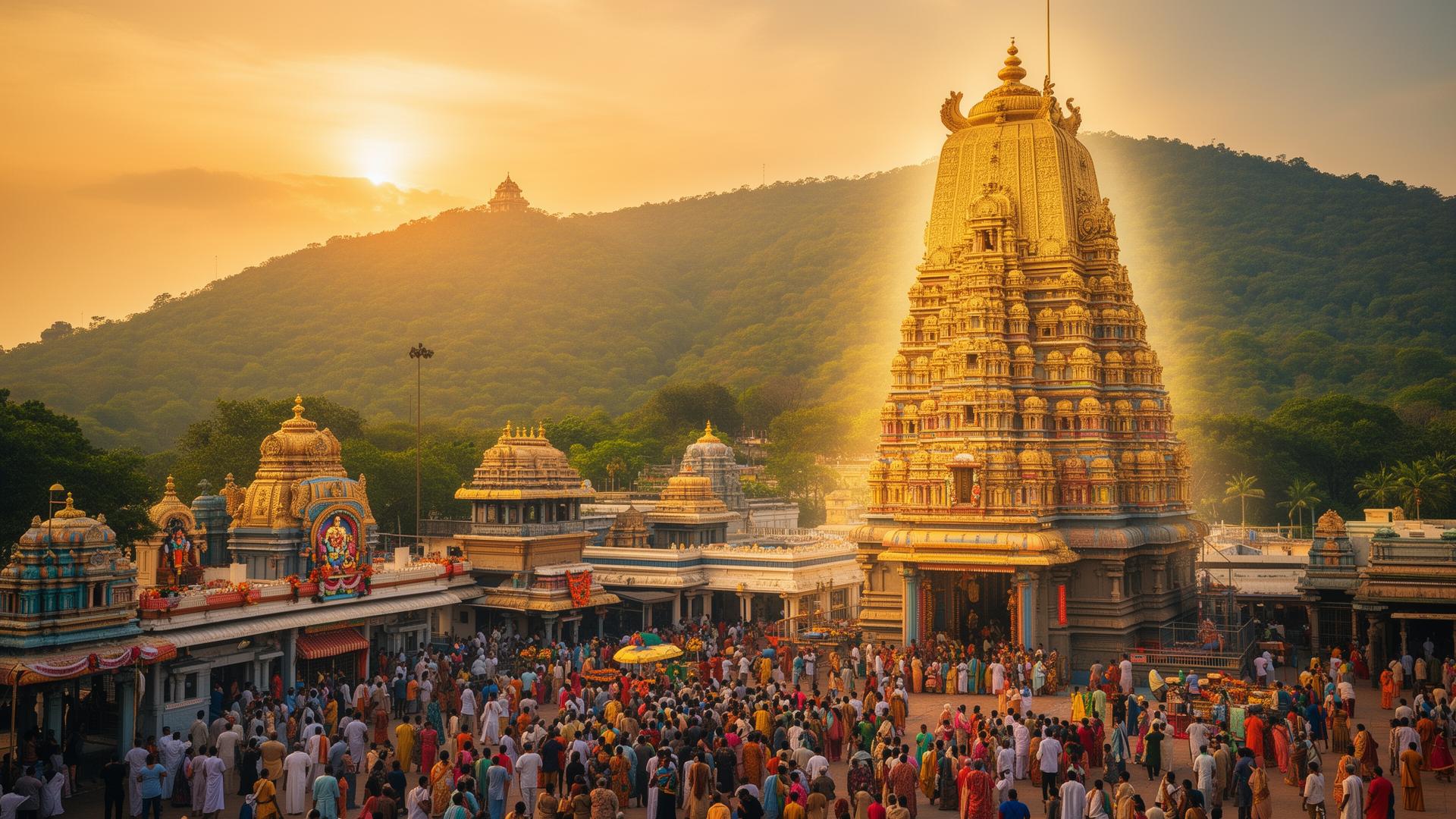
On the seven hills of Seshachalam in Andhra Pradesh stands the Śrī Veṅkateśvara Temple of Tirumala — the most visited religious site in the world and, in the words of the Śrī Vaiṣṇava ācāryas, the Kaliyuga Pratyakṣa Daivam — the Lord visibly present in this very age.

The presiding deity is Veṅkateśvara — "He who removes sins" — a form of Vishnu who, in tradition, descended to earth to win back his consort Lakṣmī and chose to remain on these hills to hear the prayers of every soul that climbs them.

The temple is counted among the 108 Divya Desams sung by the Alvars in the Nālāyira Divya Prabandham, and is the supreme centre of the path of prapatti — total surrender at the feet of the Lord. From kings to children, every devotee stands in the same line — for at Tirumala, the only identity that matters is the heart that has come to ask.
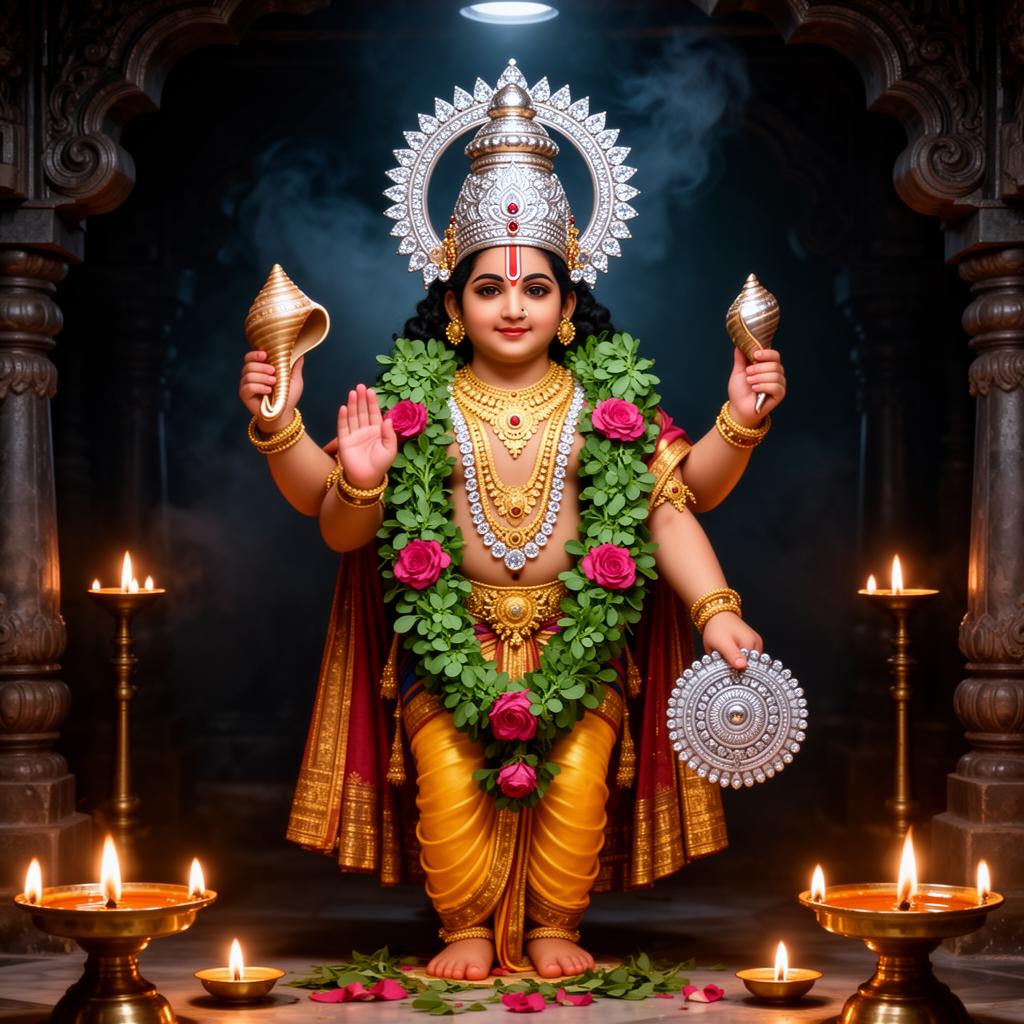
Lord Venkateswara in the sanctum of Tirumala
Śrī Veṅkateśvara — adorned in the sanctum at Tirumala

Chapter I

Why Tirumala is Supreme

Six teachings that have drawn millions to the Lord of the Seven Hills.

Kaliyuga Pratyakṣa Daivam

The Lord visibly present in this age — Vishnu has chosen Tirumala as his earthly abode to listen to every prayer of the Kali Yuga.

Wish-Fulfilling Lord

Devotees come with vows, debts and dreams. Venkateśvara — he who removes sins — is renowned for fulfilling sincere desires.

Prapatti — Total Surrender

The supreme teaching of the Śrī Vaiṣṇava ācāryas: place yourself entirely at the feet of the Lord, and his grace will carry you across.

Seven Hoods of Ādiśeṣa

The seven hills of Seshachalam are revered as the seven hoods of the cosmic serpent Ādiśeṣa, on whom Vishnu eternally rests.

Hundi & Kubera's Debt

Devotees offer hair, gold and wealth to help the Lord repay the loan he took from Kubera for his marriage to Padmāvatī — a debt still being paid today.

Beyond Caste & Region

Pilgrims from every state, every tongue and every walk of life stand in the same line. At Tirumala only one identity matters — devotee.

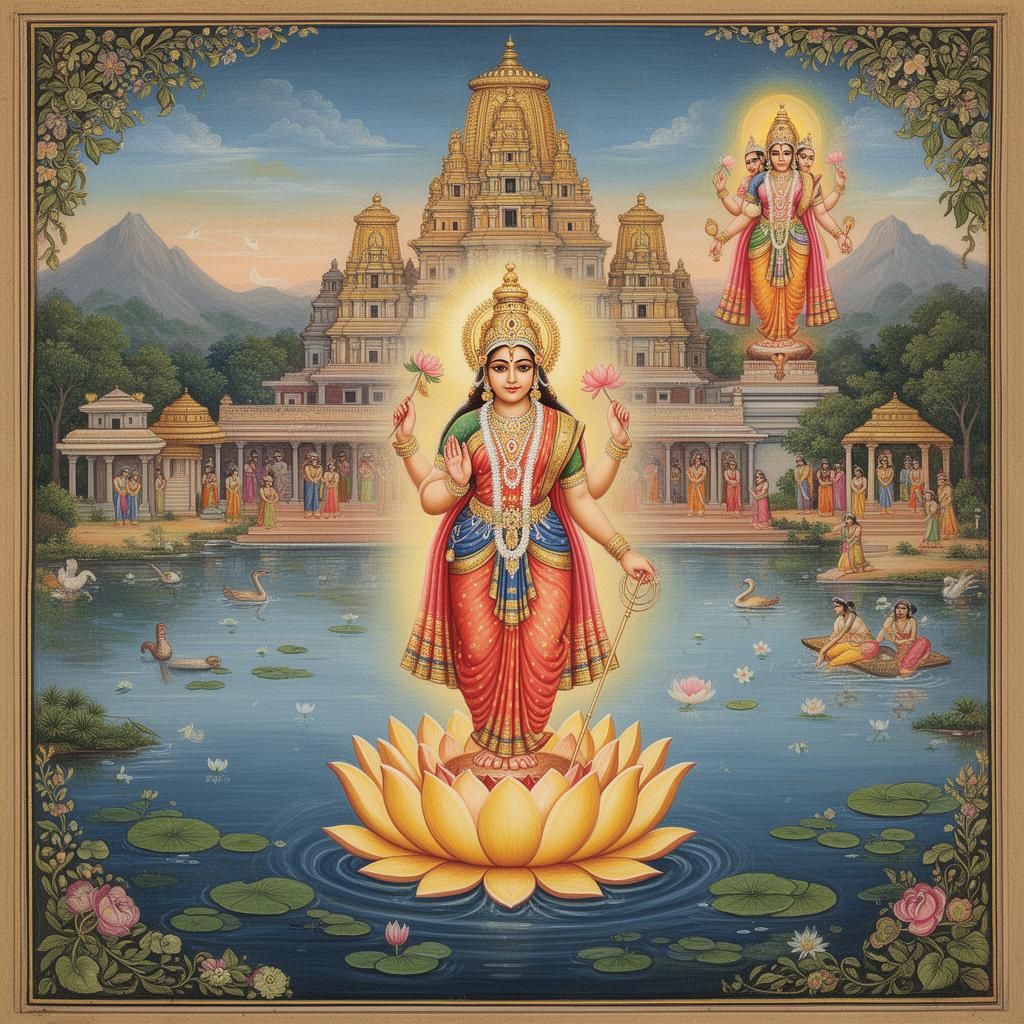
Goddess Padmavati emerging from a lotus and Lord Vishnu descending as Venkateswara

The Origin · Brahmāṇḍa & Varāha Purāṇa

When Vishnu Came Down to Earth

When sage Bhṛgu tested the Trimūrti and placed his foot on Vishnu's chest, Lakṣmī — who resides there — left Vaikuṇṭha in sorrow and came down to earth, performing penance by the Puṣkariṇī lake at Tirumala. Unable to bear the separation, Vishnu followed her, took the form of Veṅkateśvara, and married Padmāvatī — Lakṣmī born as the daughter of King Ākāśa Rāja. To pay for the wedding the Lord borrowed gold from Kubera, lord of wealth — and to this day devotees offer at the huṇḍi to help him repay that loan. So he remains on the seven hills, fulfilling vows, hearing prayers, and waiting for every soul to come.

कौसल्या सुप्रजा राम पूर्वासन्ध्या प्रवर्तते ॥

— opening line of the Veṅkateśa Suprabhātam, sung at Tirumala every morning at 3 AM.

Chapter II

A Thousand Years of Devotion

From the Alvars to the Vijayanagara emperors to the modern TTD — the unbroken story of Tirumala.

Purāṇic Era

Glorified in the Brahmāṇḍa and Varāha Purāṇas as the spot where Vishnu descended as Venkateśvara to win back Lakṣmī.

Alvars · 6–9th c.

Sung in the Nālāyira Divya Prabandham by Nammālvār and Tirumaṅgai Ālvār — counted among the 108 Divya Desams.

Pallavas & Cholas

Early royal patronage; the first stone enclosures, processional vessels and continuous worship rituals are established.

Vijayanagara · 16th c.

Emperor Krishnadevaraya visits seven times, donating crowns, ornaments and entire villages. The temple takes much of its present form.

Nayaks & Marathas

Successive rulers add maṇḍapas, gold plating, festival utsavams and grant lands to sustain daily seva.

1933

The Tirumala Tirupati Devasthanams (TTD) is constituted to manage the temple — today one of the largest religious trusts in the world.

Modern Era

Online darśana, ropeway access, queue complexes, hospitals and universities — tradition meets technology at unprecedented scale.

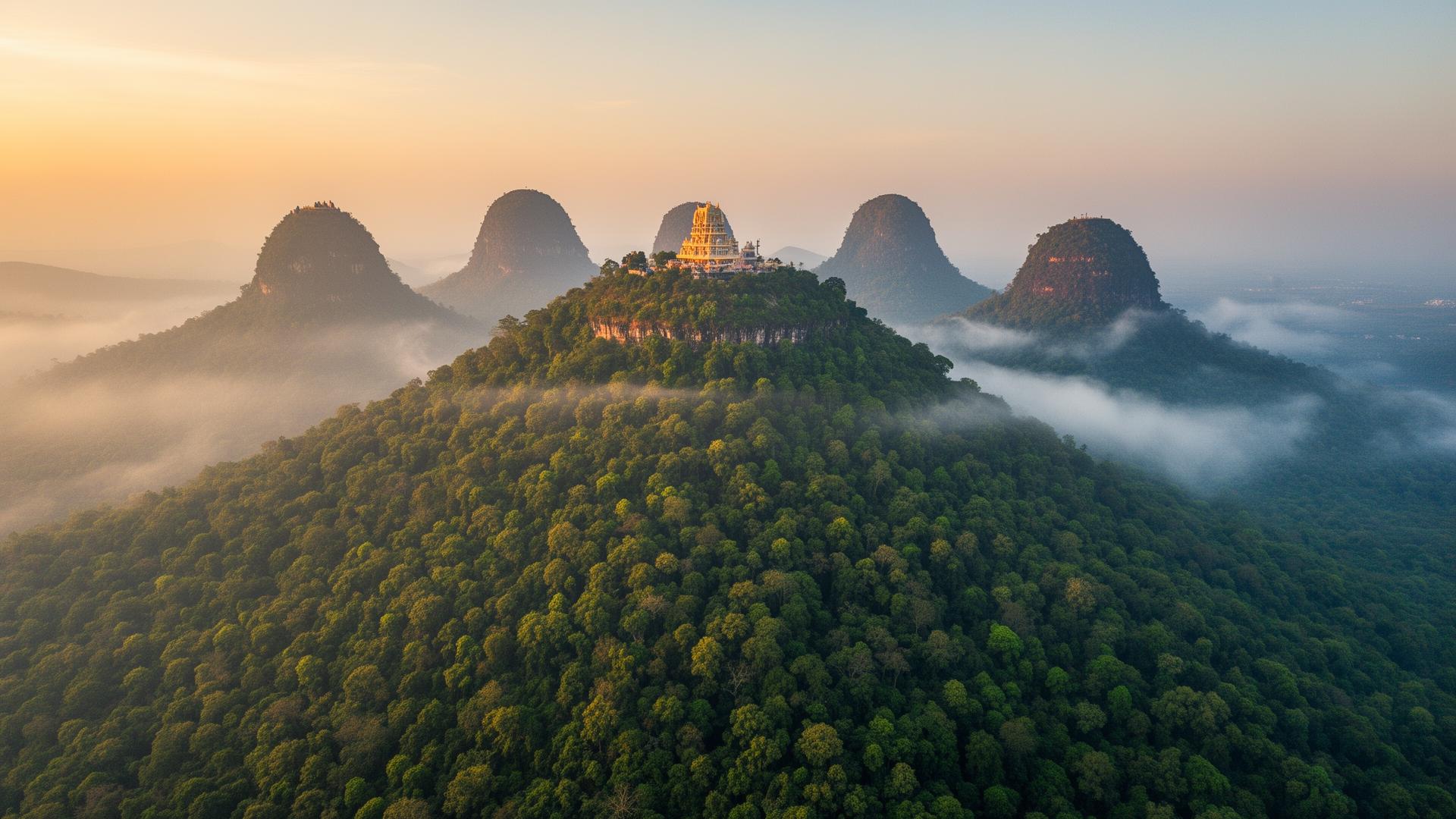
The seven sacred hills of Seshachalam at dawn

Sacred Geography

The Seven Hills of Seshachalam

॥ शेषाद्रि ॥

The seven hills of Tirumala — Śeṣādri, Nīlādri, Garuḍādri, Añjanādri, Vṛṣabhādri, Nārāyaṇādri and Veṅkaṭādri — are revered as the seven hoods of Ādiśeṣa, the cosmic serpent who serves as Vishnu's eternal couch. The Lord rests upon his own serpent, made of stone.

The Sopāna Mārga — over three thousand five hundred ancient stone steps — winds up the slopes from Alipiri. Tradition holds that with every step climbed barefoot, a karma is shed. At the top, beside the temple, the Puṣkariṇī created by Garuḍa awaits the pilgrim for a final sacred bath before darśana.

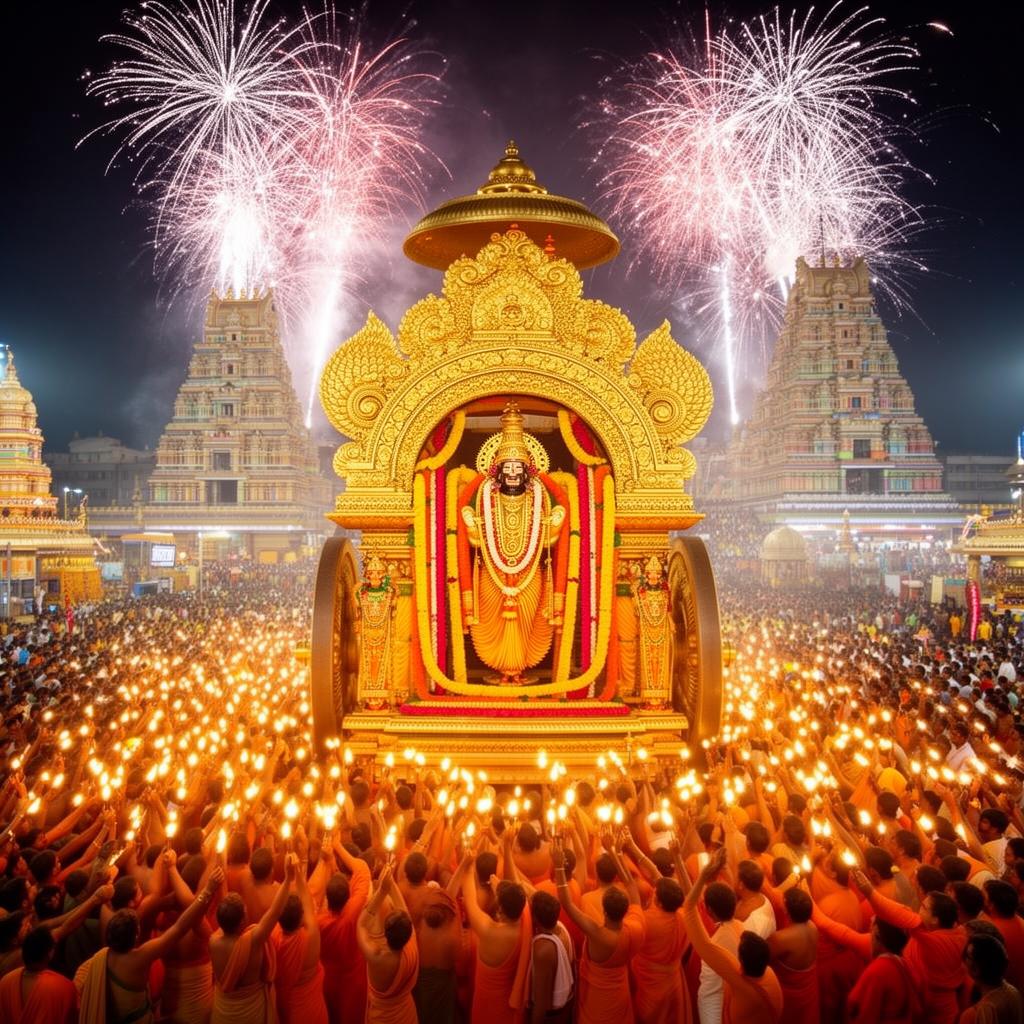
Brahmotsavam procession at Tirupati with the Garuda Vahanam

Chapter III · Festivals

Brahmotsavam — The Nine-Day Glory

Held every September–October, the Brahmotsavam is the largest festival at Tirumala. For nine days the utsava mūrti of Veṅkateśvara rides through the streets on a new vāhana each day — Pedda Śeṣa, Haṁsa, Siṁha, Muthyapu Pandiri, Kalpa Vṛkṣa, Sarva Bhūpāla, Mōhinī, Garuḍa, Hanumanta and finally the great wooden chariot at Rathotsavam. The Garuḍa Sevā alone draws over a million devotees in a single evening.

गोविन्दा गोविन्दा ॥

The chant that echoes across the seven hills, from queue lines to mountain steps — every devotee's single word to the Lord.

Chapter IV

Daily Sevas & Festivals

The unbroken rhythm of worship that fills every hour at Tirumala.

Suprabhātam (3 AM)

The Lord is awakened with the Veṅkateśa Suprabhātam — verses sung in the silent hours before dawn, opening the day at Tirumala.

Tomāla & Archana

Garlands of fresh flowers and tulsī are offered to the deity, followed by chanting of the thousand names — Sahasranāma Archana.

Kalyāṇotsavam

The celestial wedding of the Lord with Śrīdevī and Bhūdevī, re-enacted daily — devotees sponsor it to receive blessings for their own families.

Sahasra Dīpālaṅkāra

A thousand lamps lit around the utsava mūrti every evening — the entire courtyard becomes an ocean of golden light.

Brahmotsavam · 9 days

The grandest festival of the year (Sep–Oct). The Lord rides nine different vāhanas — culminating in the resplendent Garuḍa Sevā and the great Rathotsavam.

Vaikuṇṭha Ekādaśī

The Vaikuṇṭha Dvāram — the gate to Vishnu's heaven — is opened only on this day. To pass through is to walk the path of mukti itself.

Chapter V · For the Pilgrim

The Yātrā to Tirumala

॥ यात्रा ॥

Tonsure — Offering of Hair

Devotees shave their head at Kalyāṇakaṭṭa as a symbol of surrendering ego, vanity and the burden of past karma at the Lord's feet.

Climbing the Sopāna Mārga

The ancient stone steps from Alipiri to Tirumala — over 3,500 steps — climbed barefoot as an act of penance and love.

Darśana Booking

Sarva-darśana (free), Special Entry (₹300) and Ārjita Sevas can all be booked through the official TTD portal and app well in advance.

The Sacred Laḍḍu

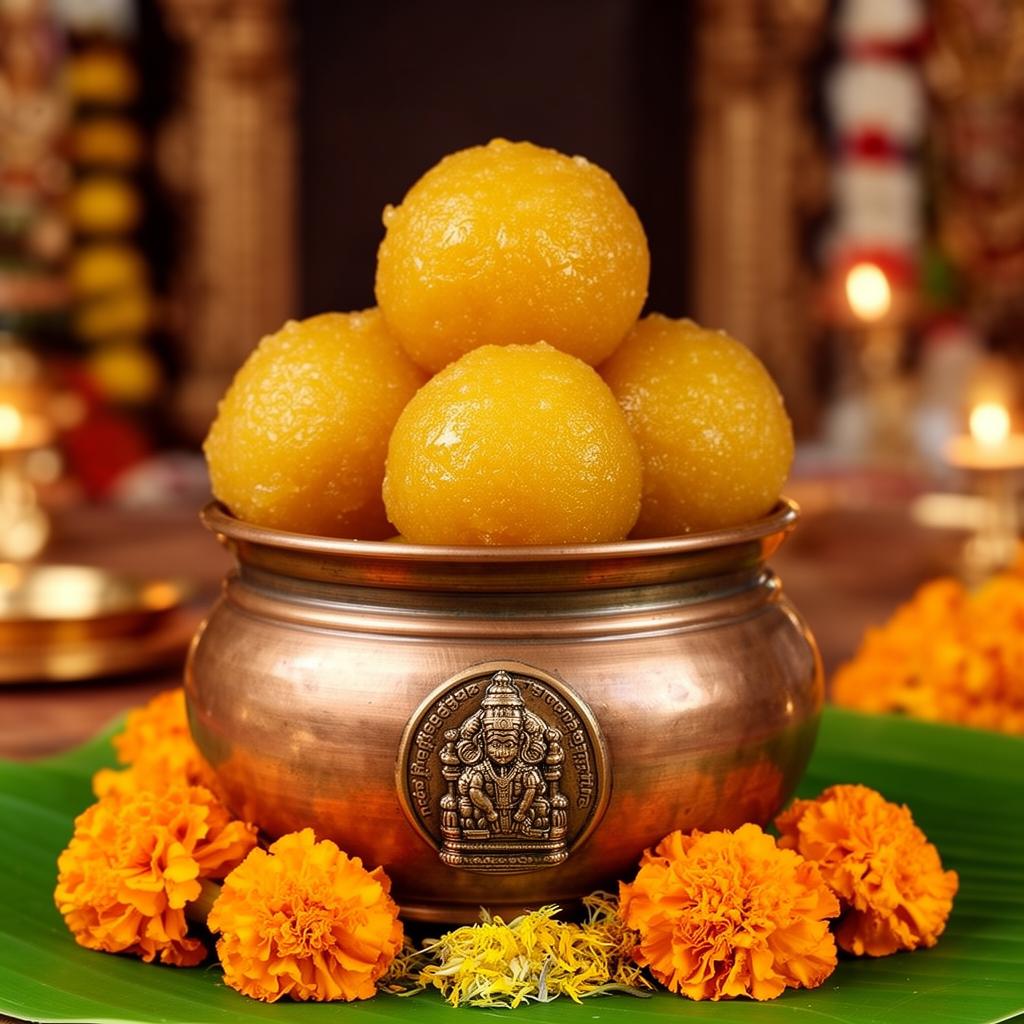
Receive the world-famous Tirupati Laḍḍu — prepared in the Pōṭu kitchen with GI tag protection and the temple's official seal.

The famous Tirupati Laddu prasadam
The Tirupati Laḍḍu — GI-tagged prasāda of Śrī Veṅkateśvara
॥ ॐ नमो वेङ्कटेशाय ॥

From the descent of Lakṣmī upon the Puṣkariṇī, through the songs of the Alvars and the gold of Krishnadevaraya, to the queue lines and laḍḍu and lamp-lit Garuḍa Sevā of today — Tirumala remains what it has always been: the place on earth where the Lord himself waits, ready to listen, ready to give, ready to take every burden the devotee places at his feet.

गोविन्दा गोविन्दा ॥