Introduction
She Calls, We Climb
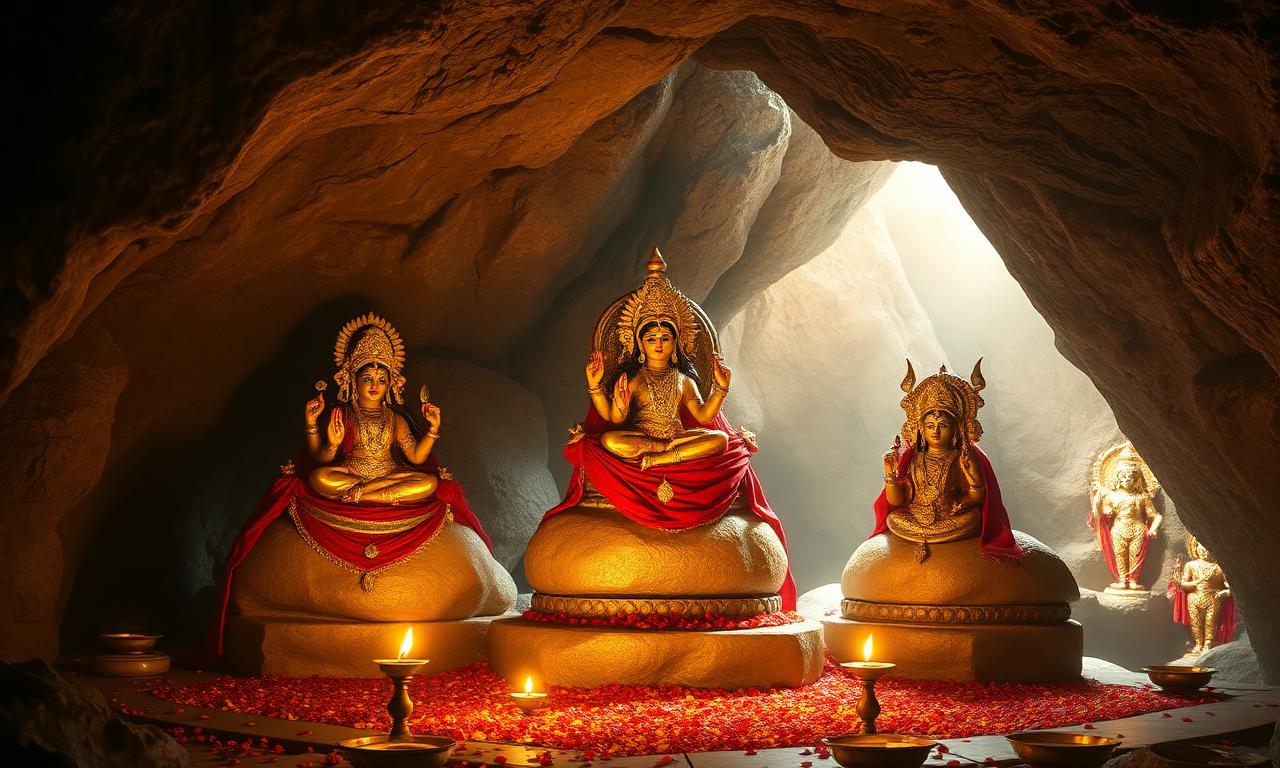
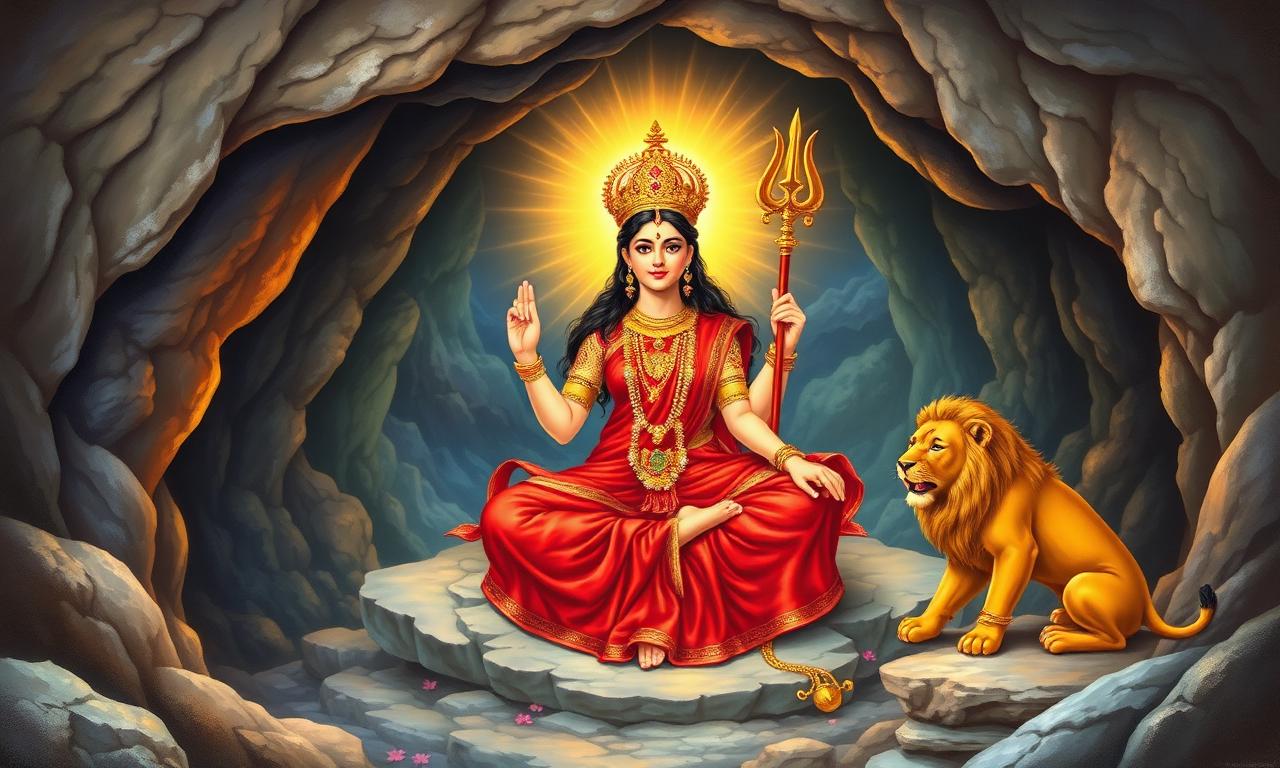
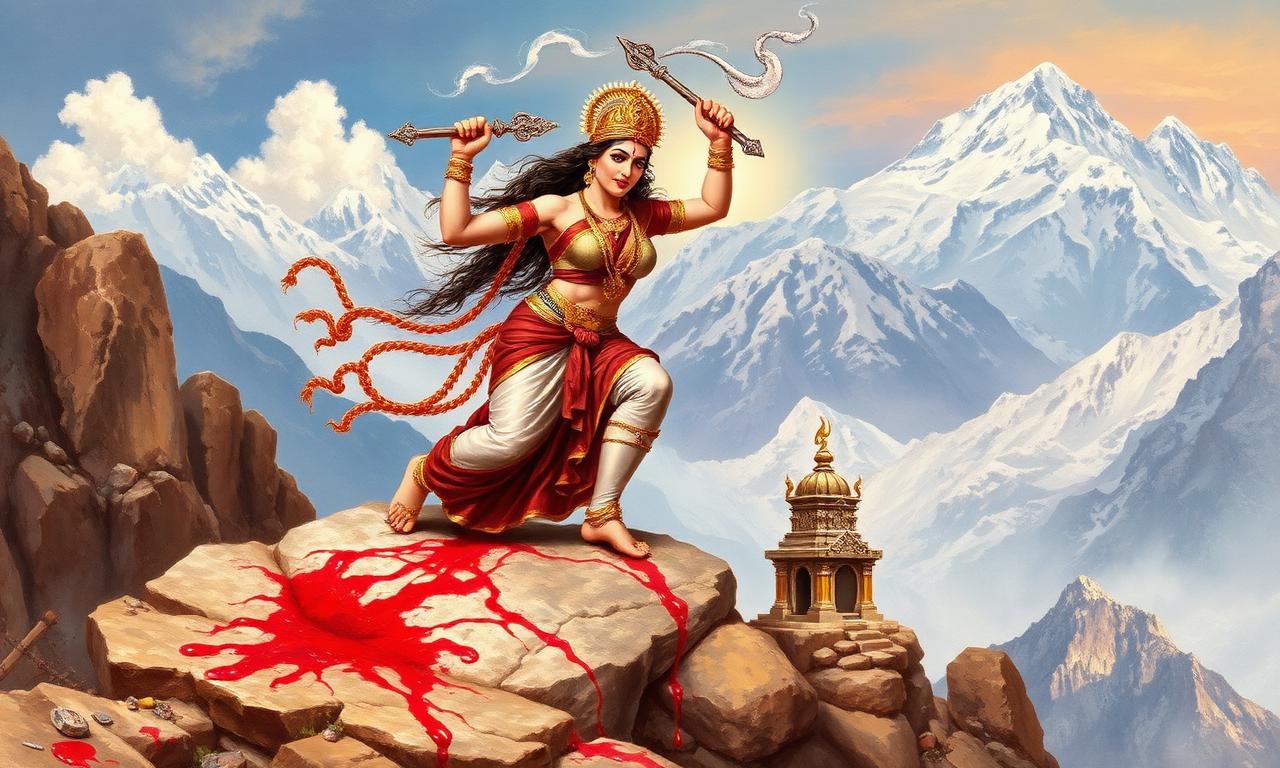
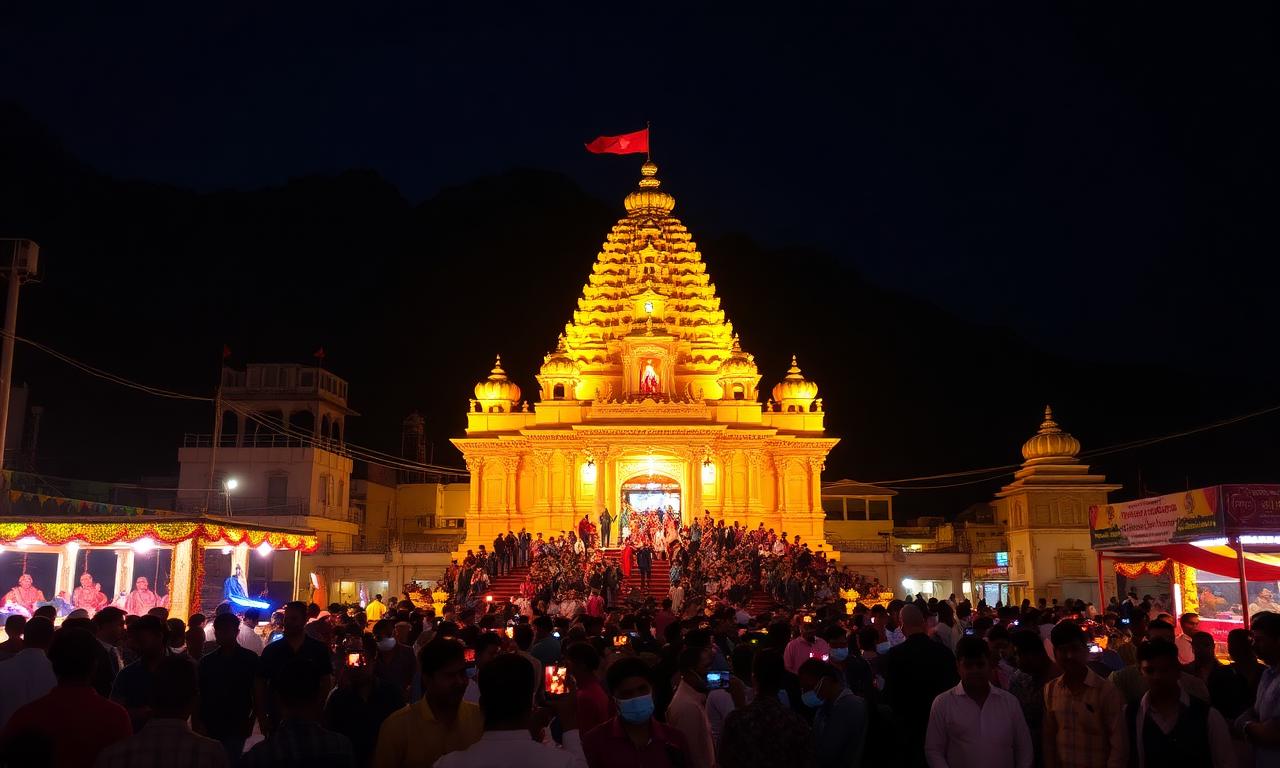
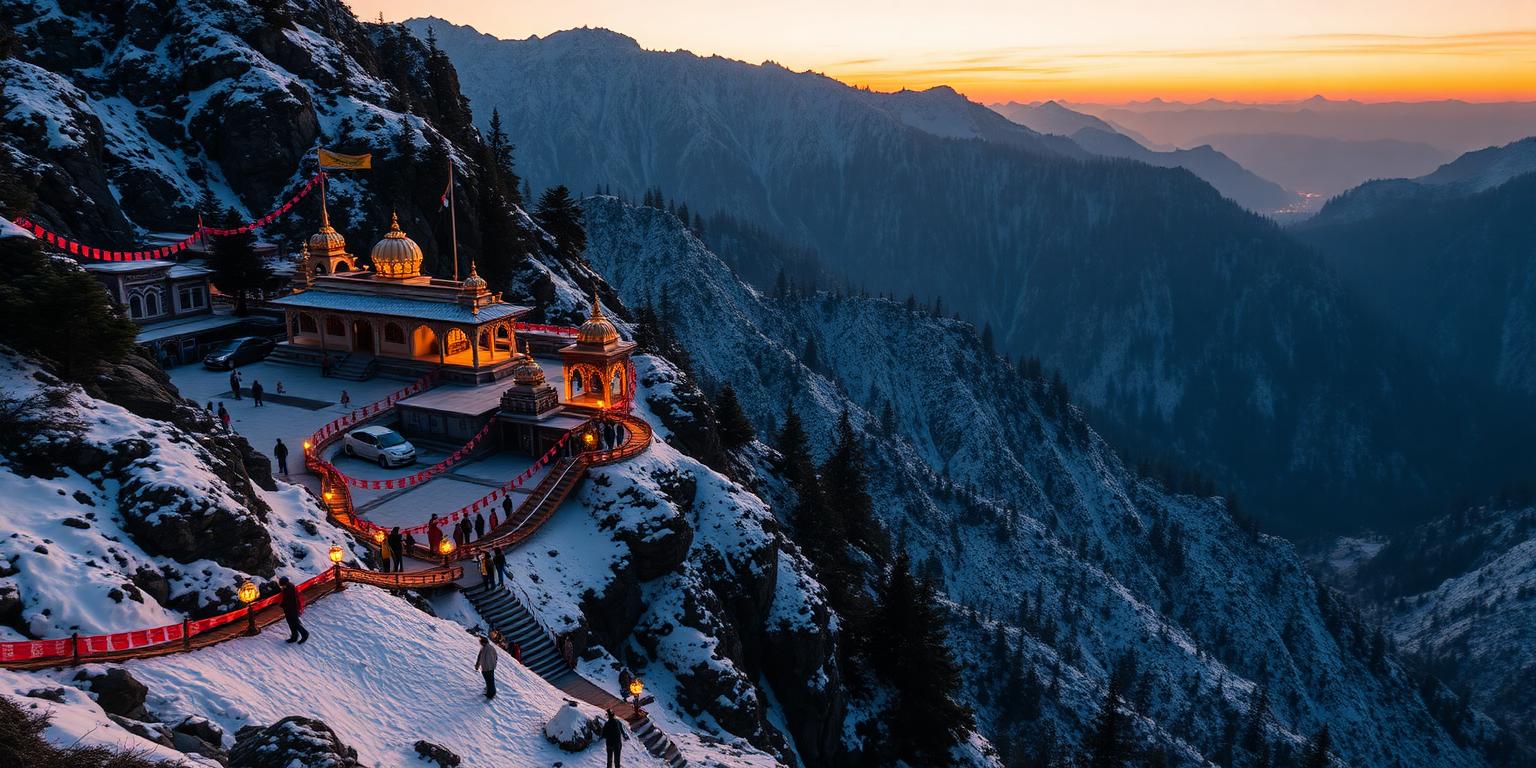
The Śrī Mātā Vaiṣṇo Devī shrine lies in a natural cave on the slopes of the Trikūṭa hills near Kaṭrā, in the Jammū division of the Himālayas. The Goddess is worshipped not in a sculpted idol but in three self-formed rock Piṇḍīs — the right, the centre and the left — representing Mahākālī, Mahālakṣmī and Mahāsarasvatī.
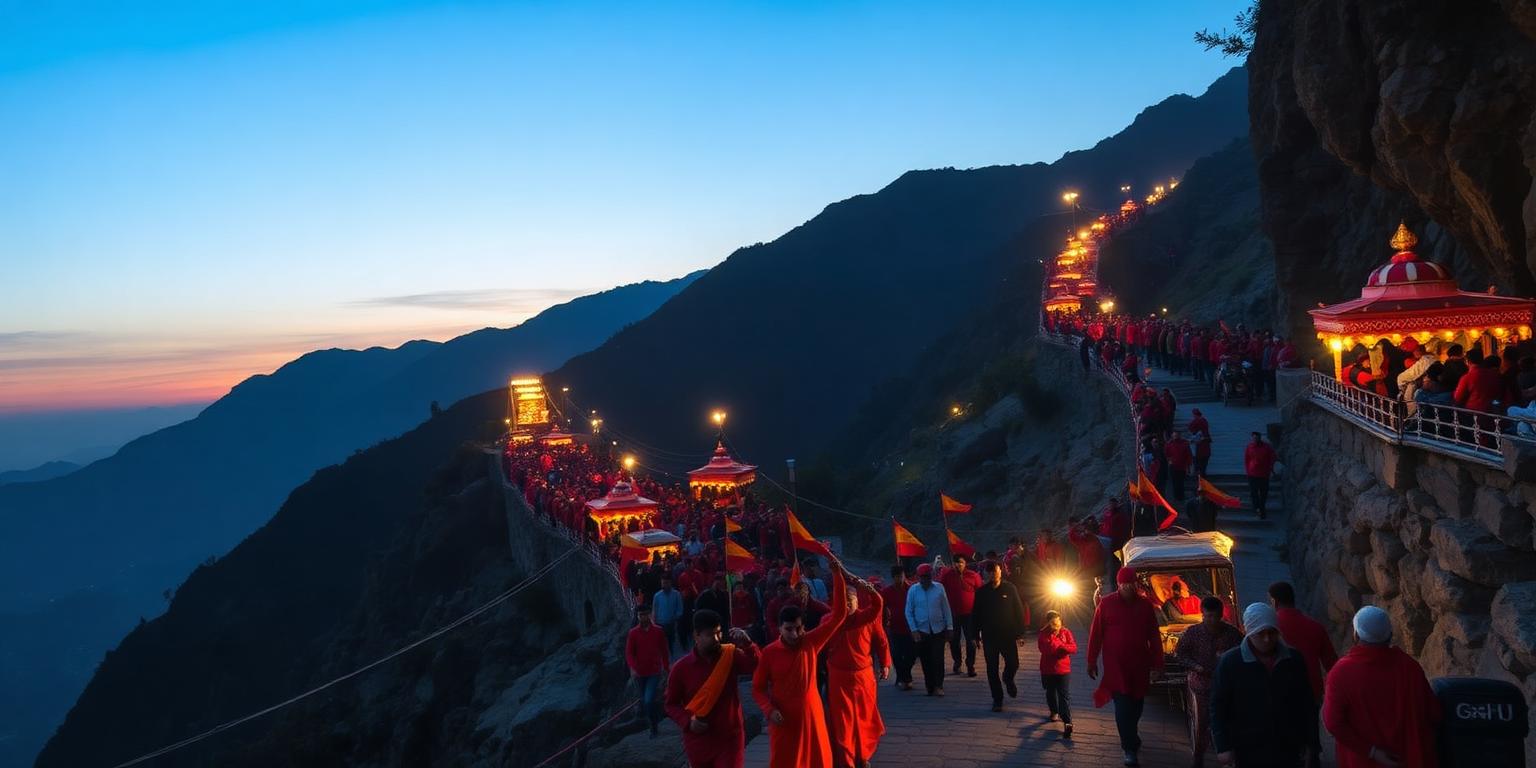
Born of the combined śakti of the Tridevī, she lives here in her Kanyā form — the eternal virgin, the most concentrated and accessible aspect of the Divine Mother in this age. Her shrine receives nearly a crore pilgrims every year, second in footfall only to Tirumalā among Hindu temples.
And yet, beyond every statistic, one teaching defines this pilgrimage: Mā bulātī hai — "the Mother calls." No one reaches her by their own ticket. The summons comes silently into the heart, sometimes through a dream, often through an unexplained pull, and one day the devotee is climbing in the dark toward the cave, chanting "Jai Mātā Dī" with strangers who have become family.