Lord Shiva

Devata · Mahādeva

Lord Shiva

॥ ॐ नमः शिवाय ॥

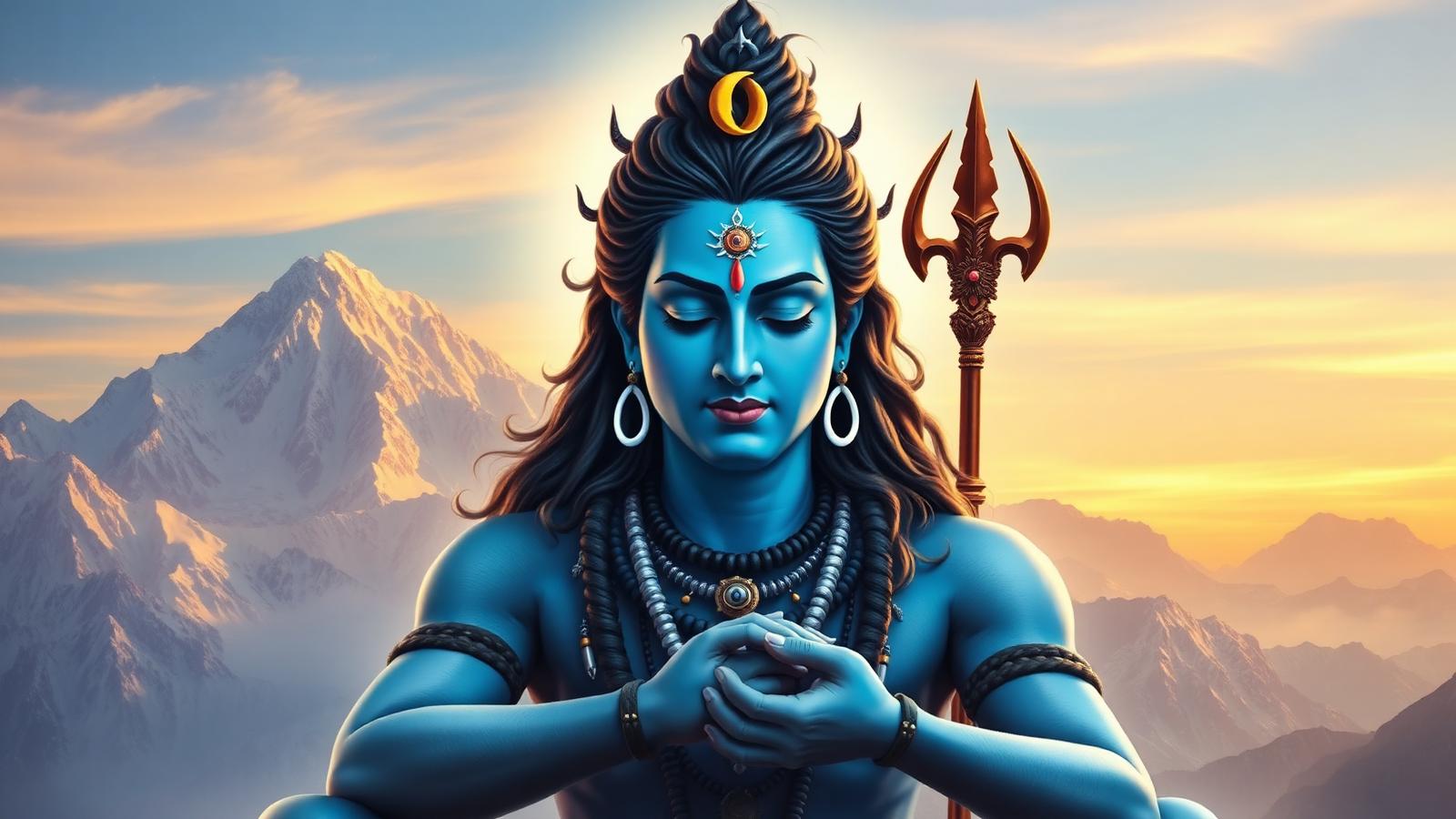
The Auspicious One — destroyer of ignorance, supreme yogi, lord of the cosmic dance, and the most compassionate refuge for every devotee.

॥ ॐ ॥

Saṃhāra

Trimurti Role

Pārvatī

Consort

Kailāsa

Abode

ॐ नमः शिवाय

Mantra

Introduction

The Auspicious One
॥ ॐ ॥
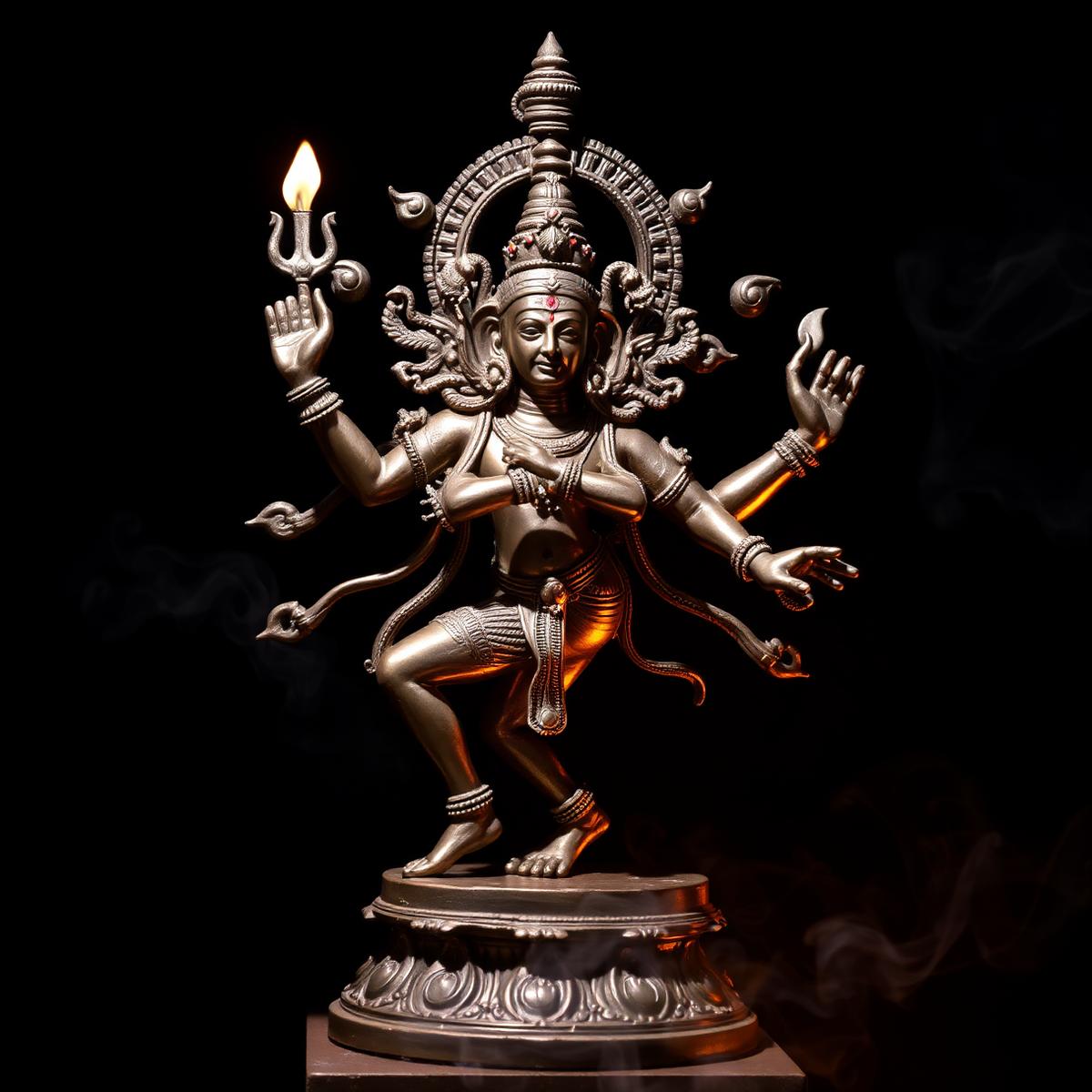
Nataraja, Lord of the Cosmic Dance
Naṭarāja — the cosmic dance within the ring of fire

Śiva (Sanskrit: शिव — "The Auspicious One") is one of the principal deities of Sanatan Dharma and forms the Trimūrti along with Brahmā the creator and Viṣṇu the preserver. He is the destroyer and transformer — dissolving the old to make way for the new, and ultimately leading every soul toward mokṣa.

He is worshipped as Mahādeva (Great God), Naṭarāja (Lord of Dance), Paśupati (Lord of Beings), Nīlakaṇṭha (Blue-Throated One) and by countless other names. Shiva represents the ultimate reality — both formless (nirguṇa) and with form (saguṇa) — the supreme consciousness (Cit) and the source of all energy (Śakti).

He is the most paradoxical and profound presence in the tradition: the fierce ascetic of the cremation grounds and the loving householder of Kailāsa; the destroyer of evil and the most compassionate protector of his devotees. His worship is rooted in the Ṛgveda as Rudra, expanded in the Purāṇas, and codified in the Śaiva Āgamas and great philosophical schools.
Chapter I

The Many Forms of Shiva

Each rūpa reveals a different dimension of the infinite — gentle and fierce, ascetic and householder, destroyer and liberator.

नटराज

Nataraja

Lord of the Cosmic Dance. The Tāṇḍava represents the eternal rhythm of creation, preservation and dissolution.

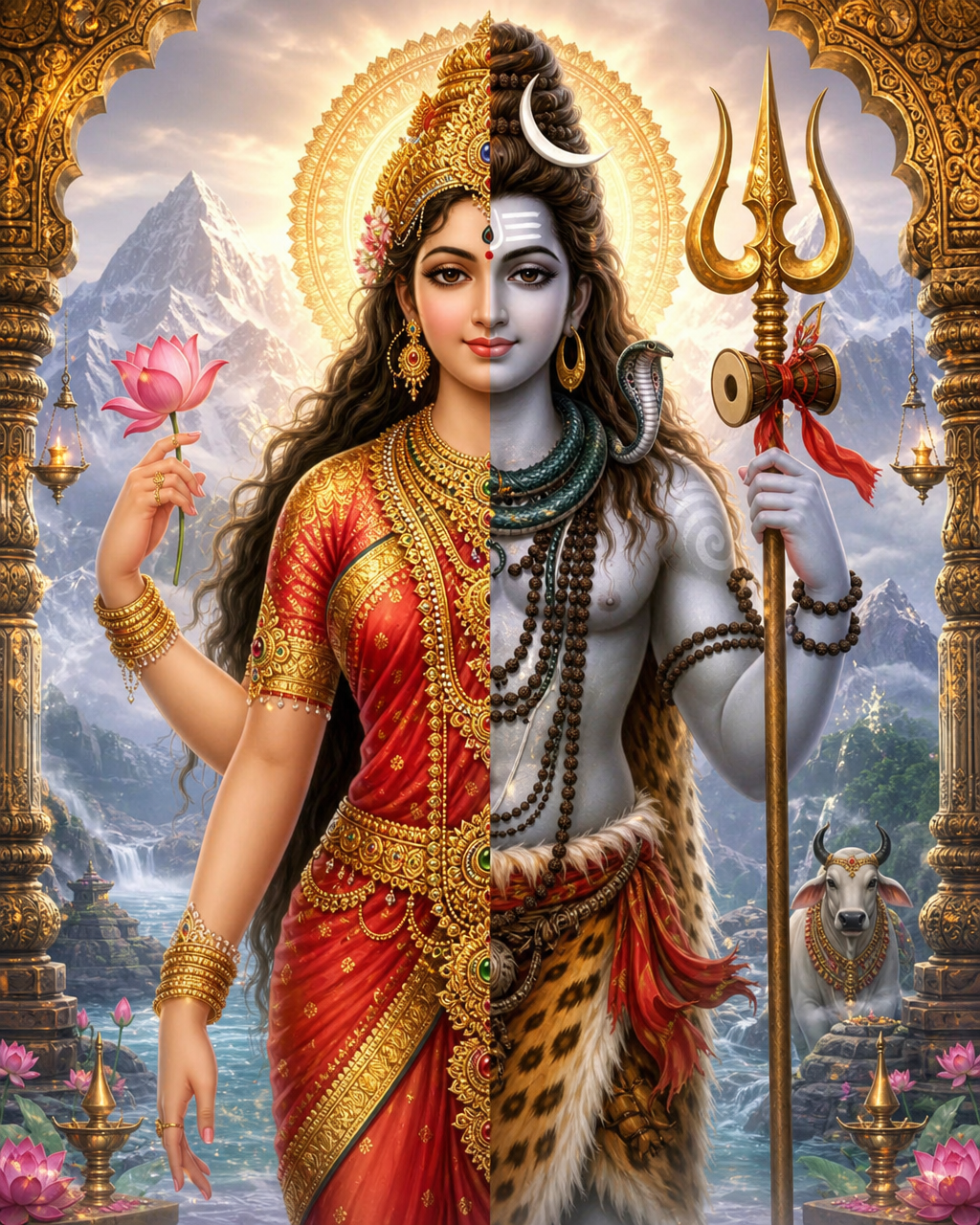
अर्धनारीश्वर

Ardhanarishvara

Half-male, half-female form — the inseparable union of Shiva (consciousness) and Shakti (energy).

महाकाल

Mahakala

The Lord of Time and Death, who ultimately consumes everything that arises in the cosmos.

नीलकण्ठ

Neelkantha

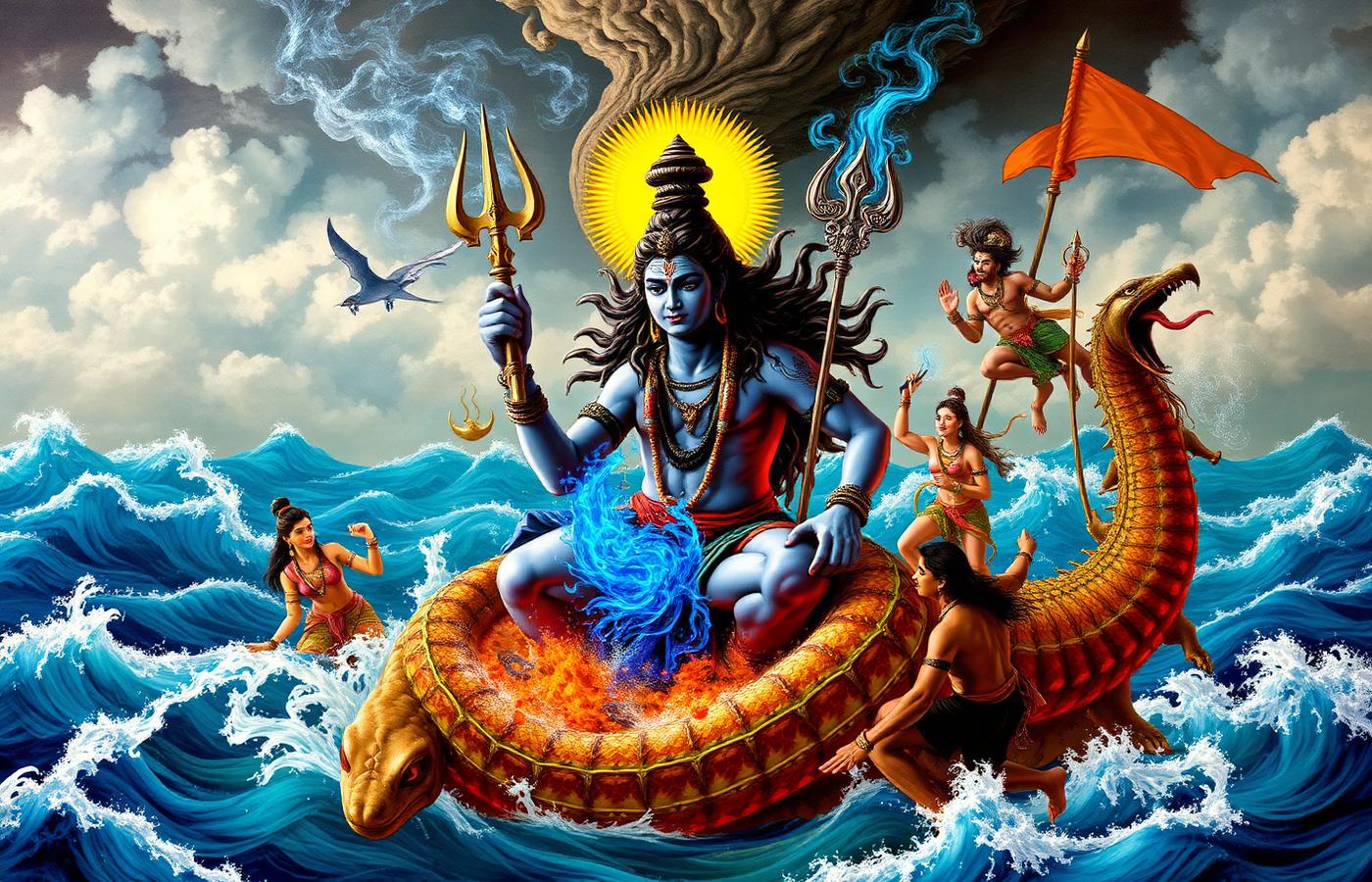
The Blue-Throated One who drank the Halāhala poison to save creation during the churning of the ocean.

पशुपति

Pashupati

The Lord of all beings — the compassionate protector of every living creature.

दक्षिणामूर्ति

Dakshinamurti

The silent teacher who imparts the highest wisdom through stillness and inner meditation.

Shiva drinking the Halahala poison during Samudra Manthan

Samudra Manthana

Nīlakaṇṭha — He Who Drank the Poison

When the devas and asuras churned the cosmic ocean, the deadly Hālāhala poison rose first — threatening to consume creation itself. The gods turned to Shiva. He gathered the entire venom in his palm and drank it, holding it in his throat where it shone forever blue. The universe was saved, and the universe learned the deepest lesson of His being: the highest Lord absorbs the suffering of all that lives.

कर्पूरगौरं करुणावतारं संसारसारं भुजगेन्द्रहारम् ।
सदा वसन्तं हृदयारविन्दे भवं भवानीसहितं नमामि ॥

"Camphor-white, the embodiment of compassion, essence of saṃsāra, garlanded by the serpent — I bow to Him who dwells in the lotus of my heart, together with Bhavānī."

Ardhanarishvara — half Shiva, half Parvati
Ardhanārīśvara — the inseparable union

Chapter II · Marriage to Pārvatī

Consciousness and Energy as One

After Satī's self-immolation, Shiva withdrew into the deepest meditation. Pārvatī — Satī reborn in the Himālaya — performed centuries of tapas to win Him back. Their marriage on Kailāsa is the cosmic wedding of asceticism and love, of stillness and joy.

In the form of Ardhanārīśvara, Shiva is shown as half-man, half-woman — a single body of two halves. Without Śakti, Shiva is śava — pure consciousness with no movement. Without Shiva, Śakti has nowhere to manifest. They are not two; they are the rhythm of one Reality.

शिवशक्त्यैक्यरूपिणीम् नमामि भुवनेश्वरीम् ॥

"I bow to the Empress of the worlds — the very form of the oneness of Shiva and Śakti."

Chapter III

The Symbolism of His Form

Every detail of Shiva's iconography is a meditation in itself.

Third Eye

The eye of wisdom — burns away ignorance and illusion.

Trishul

Mastery over the three guṇas and the three aspects of time.

Damaru

The primordial sound (Nāda Brahma) from which creation arises.

Crescent Moon

Sovereignty over time and the wandering mind.

Ganga

The descent of divine knowledge purifying every realm.

Serpent

Fearless mastery over death, fear and the kuṇḍalinī.

Tiger Skin

Victory over animal instinct, ego and worldly desire.

Bhasma (Ash)

The final reality of all forms — detachment and impermanence.

Sacred Verses

Mantras of the Mahādeva

॥ ॐ ॥

Mahāmṛtyuñjaya · Rig Veda 7.59.12

ॐ त्र्यम्बकं यजामहे सुगन्धिं पुष्टिवर्धनम् । उर्वारुकमिव बन्धनान् मृत्योर्मुक्षीय माऽमृतात् ॥

"We worship the three-eyed Lord, fragrant, who nourishes all beings. May He liberate us from the bondage of death, even as the ripened cucumber falls from its stem — into immortality, not from it."

Pañcākṣara · The Five Syllables

ॐ नमः शिवाय

"Salutations to Shiva — the Auspicious One. The mantra of complete surrender to the Self."

Nirvāṇa Ṣaṭkam · Adi Shankara

चिदानन्दरूपः शिवोऽहम् शिवोऽहम् ॥

"I am of the nature of consciousness and bliss — I am Shiva, I am Shiva."

Śiva Mahimnaḥ Stotram · 7

एकं सद्विप्रा बहुधा वदन्ति — त्वमेव शरणं मम ॥

"Through every path the wise have walked, they reach You alone. You are my only refuge."

Chapter IV · Upāsanā

How Shiva Is Worshipped

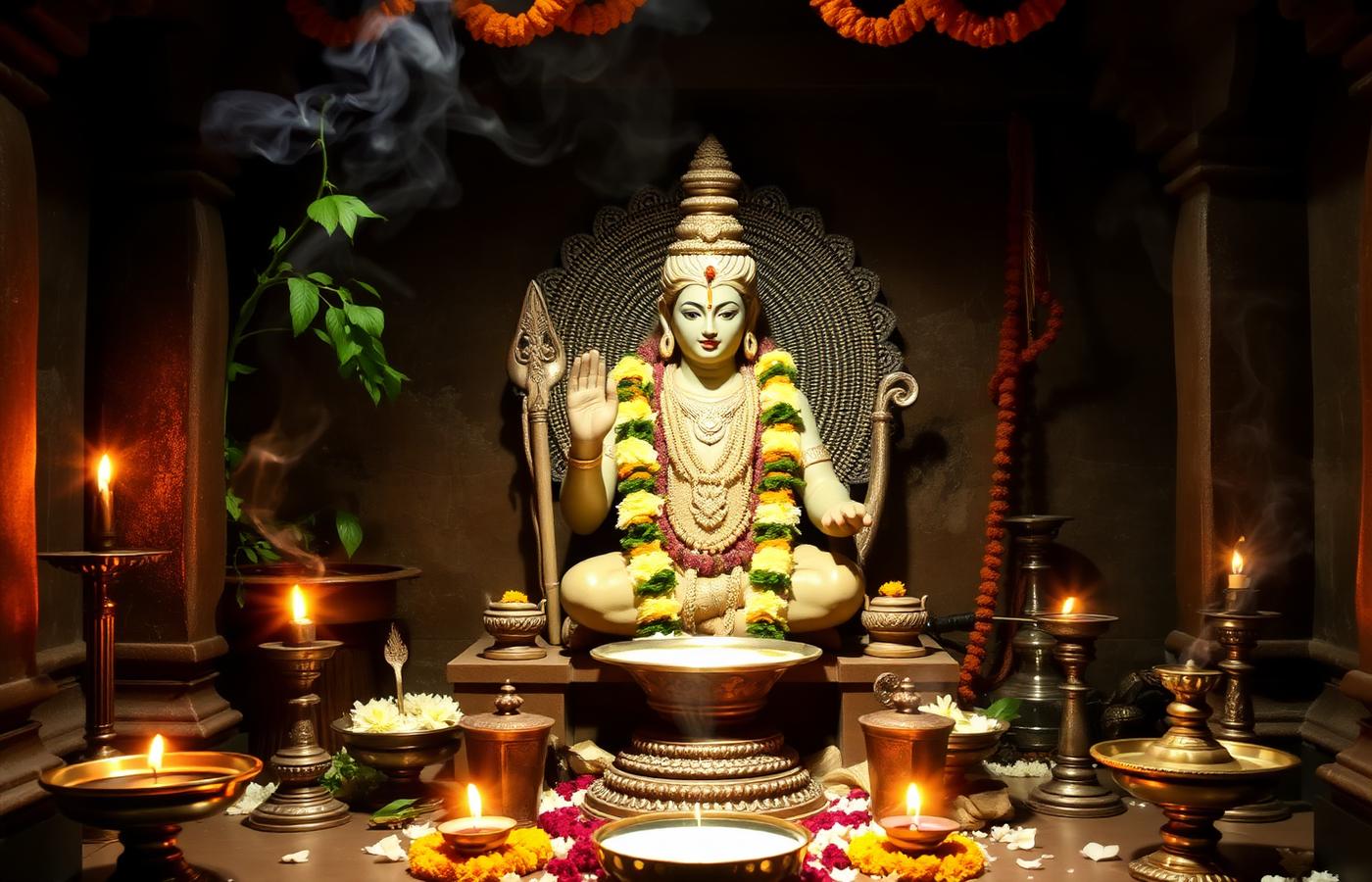
Shiva is the simplest Lord to please — water on the Liṅga, a bilva leaf, a whispered Om Namah Shivāya. He asks for no wealth and no spectacle; only the surrender of ego. From the wandering sādhu to the householder lighting a lamp at home, every sincere devotee finds the same Shiva.

Rudrābhiṣeka

The sacred bathing of the Liṅga with water, milk, curd, honey and ghee while chanting the Śrī Rudram.

Bilva-patra Offering

Three-leaved bilva is offered to the Liṅga — symbolising the three guṇas surrendered at His feet.

Liṅga Meditation

Silent gazing at the Liṅga — the symbol of the formless Divine beyond name and form.

Pañcākṣara Japa

Repetition of 'Om Namah Shivāya' — the five syllables that purify body, mind and ego.

Sacred Shiva Linga with bilva leaves and lamps
The Liṅga — symbol of the formless Divine

Chapter V

The Great Schools of Shaivism

A single Lord — seen and approached through many living lineages.

Tamil South

Shaiva Siddhānta

Shiva as the efficient cause of the universe; liberation through ritual, devotion and grace.

Kashmir

Kashmir Shaivism

Shiva as pure consciousness (Cit) — the universe is His joyful pulsation (Spanda).

Karnataka

Vīraśaivism / Lingāyat

Iṣṭa-liṅga worship and the path of inner Shiva-bhakti taught by Basavaṇṇa.

Ancient Pan-India

Pāśupata

The earliest organised Shaiva path of ascetics, founded by Lakulīśa.

North India · Nepal

Nāth Sampradāya

Lineage of yogis from Matsyendranāth and Gorakhnāth — Haṭha Yoga as the path to Shiva.

Pan-India

Advaita Vedānta

Shiva as the formless Brahman — the non-dual Self of all that is.

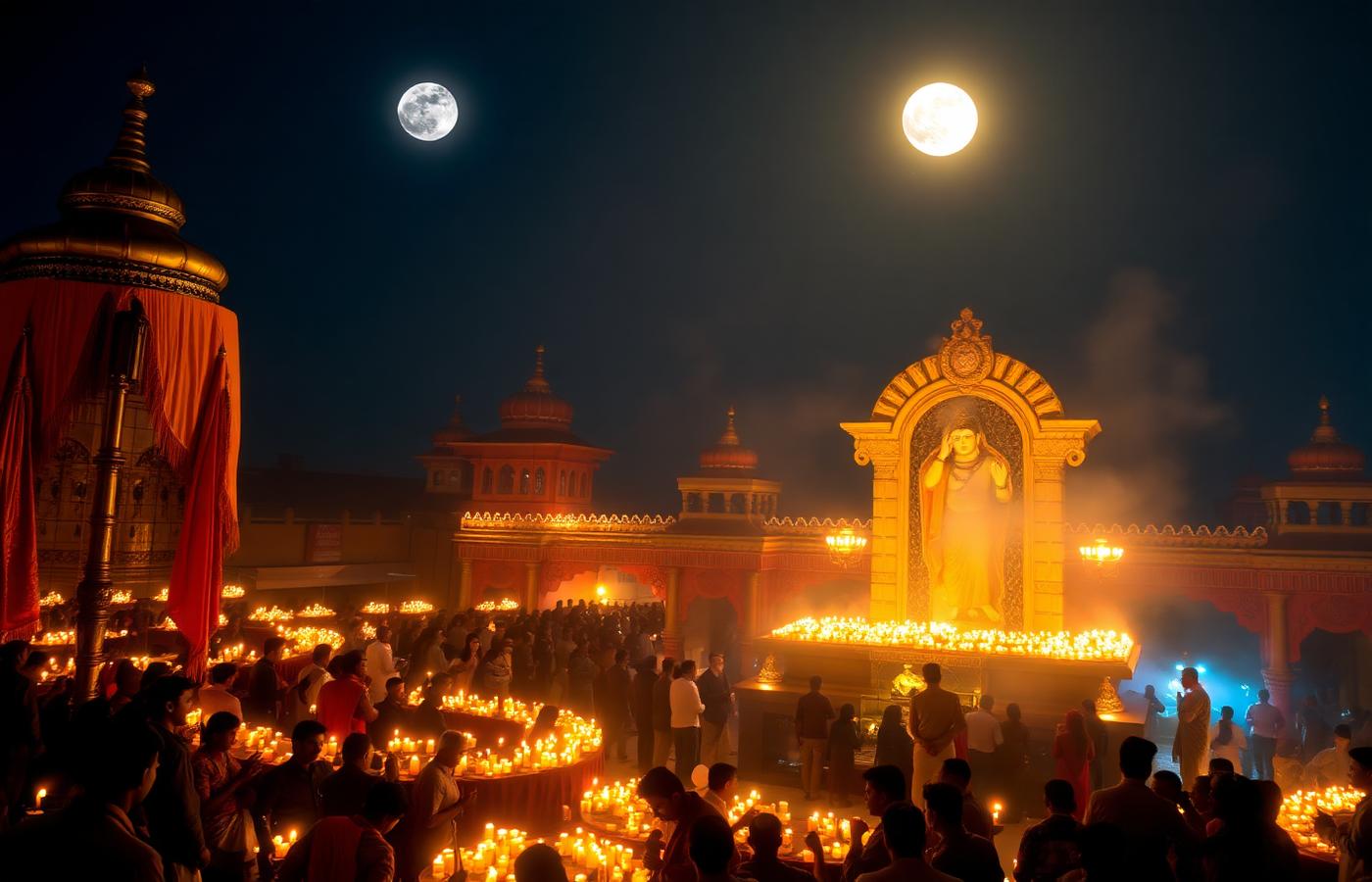
Mahashivaratri night vigil at a Shiva temple

The Great Night

Mahāśivarātri

On the fourteenth night of the dark half of Phālguna, the cosmos itself tilts toward Shiva. Devotees fast, keep vigil through the four watches of the night, and pour endless streams of water and bilva on the Liṅga. The chant Om Namah Shivāya rises from millions of hearts — the night when the ascetic Lord comes closest to the world.

ॐ नमः शिवाय ॥

॥ ॐ ॥

The Eternal Lord of Transformation

From the cosmic dance of Naṭarāja to the silent teaching of Dakṣiṇāmūrti, from the poison-drinking Nīlakaṇṭha to the loving consort of Pārvatī — Shiva reveals every dimension of existence. He teaches that true strength lies in detachment, true love in surrender, and true liberation in realising our own divine nature.

ॐ नमः शिवाय