Mahamrityunjaya Mantra

Mantra · Mahāmṛtyuñjaya

Mahamrityunjaya Mantra

॥ महामृत्युञ्जय मन्त्रः ॥

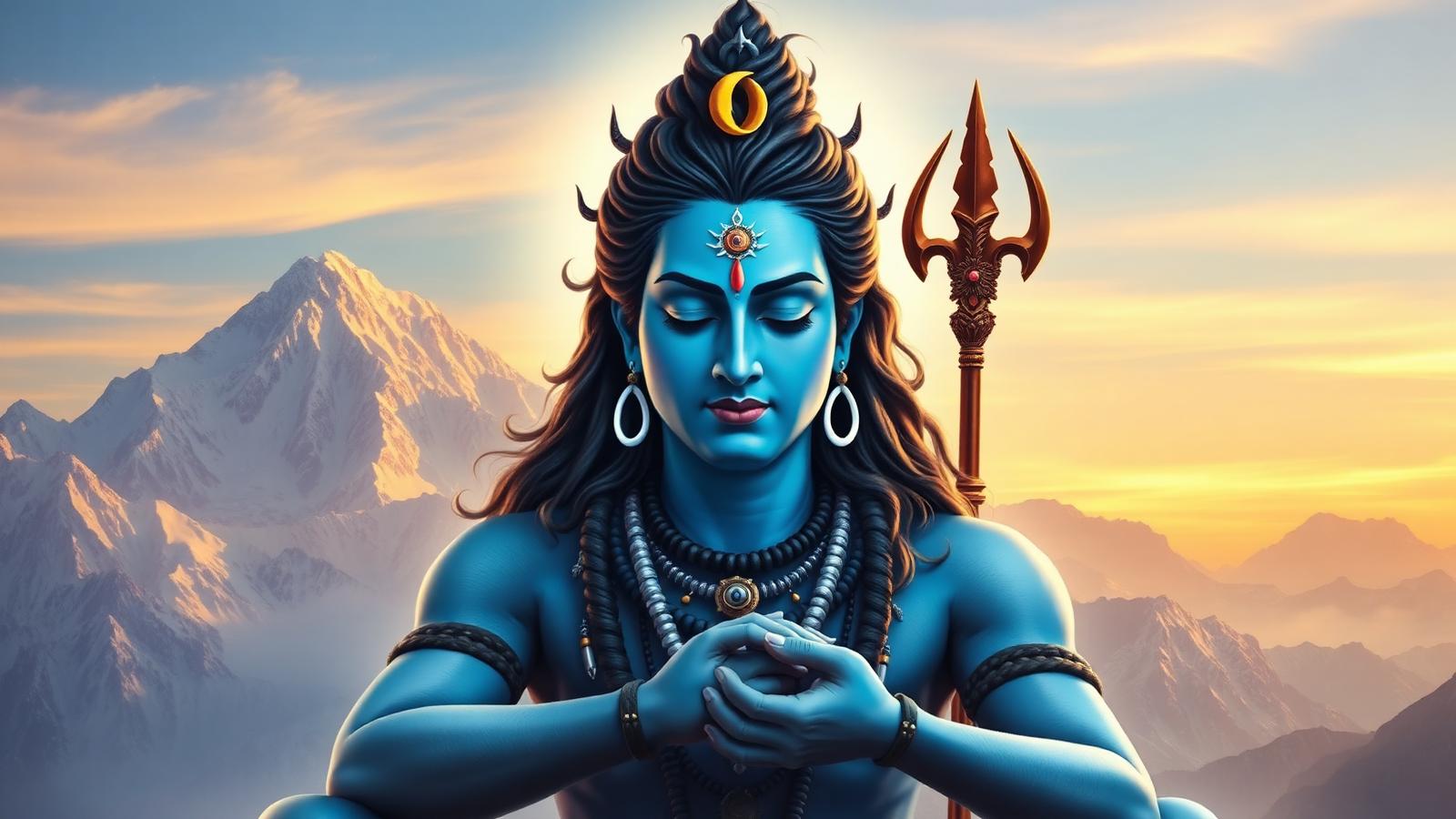
The Great Death-Conquering Mantra — Lord Shiva's invocation for healing, protection, longevity and liberation.

॥ ॐ ॥

Rigveda

Source

7.59.12

Reference

Śiva Mṛtyuñjaya

Deity

Yajur · Atharva

Also In

The Mantra

The Sacred Verse

॥ ॐ ॥

ॐ त्र्यम्बकं यजामहे सुगन्धिं पुष्टिवर्धनम् ।
उर्वारुकमिव बन्धनान् मृत्योर्मुक्षीय मामृतात् ॥

Om Tryambakaṃ Yajāmahe Sugandhiṃ Puṣṭivardhanam
Urvārukamiva Bandhanān Mṛtyormukṣīya Māmṛtāt

"We worship the Three-Eyed Lord Shiva, fragrant and the nourisher of all beings. May He liberate us from death — as the ripe cucumber falls from its vine — and lead us to immortality."
Chapter I

Word-by-Word Meaning

A prayer to Mṛtyuñjaya Śiva — fragrant, nourishing, beyond death.

SanskritMeaning
ॐ (Om)The primordial sound, Supreme Reality
त्र्यम्बकं (Tryambakam)The Three-Eyed One
यजामहे (Yajāmahe)We worship, we offer our prayers
सुगन्धिं (Sugandhim)Fragrant, sweet-smelling
पुष्टिवर्धनम् (Puṣṭivardhanam)Nourisher of all beings
उर्वारुकमिव (Urvārukamiva)Like a cucumber, like a ripe fruit
बन्धनान् (Bandhanān)From bondage, from attachment
मृत्योः (Mṛtyoḥ)From death
मुक्षीय (Mukṣīya)May I be liberated, may I be freed
मामृतात् (Māmṛtāt)Not from immortality
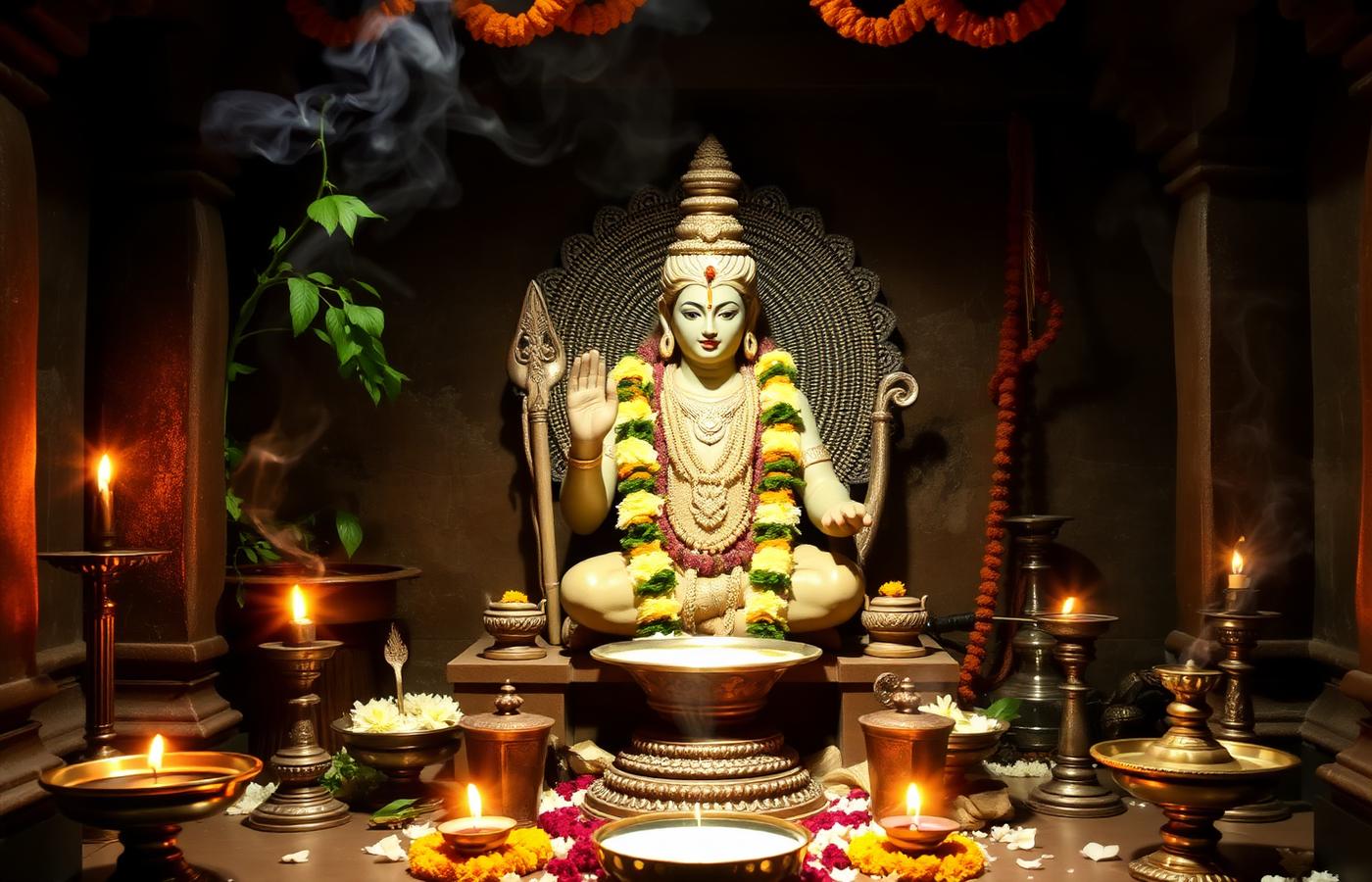
Markandeya embracing the Shiva linga, saved from death
Markandeya — saved by Mṛtyuñjaya Śiva

Chapter II

Origin & The Story of Markandeya

The mantra appears in the Rigveda — Mandala 7, Hymn 59, Verse 12, and is repeated in the Yajurveda and Atharvaveda. It is associated with Sage Vashishtha.

The most beloved story is of young Markandeya, destined to die at sixteen. Embracing the Śivalinga, he chanted this mantra with total surrender. When Yama, the lord of death, cast his noose, Shiva burst forth from the linga and granted Markandeya eternal life.

From that day, the Mahāmṛtyuñjaya has been chanted by every seeker who wishes to conquer the fear of death.

Chapter III

Symbolism of the Mantra

Tryambakam — The Three-Eyed Lord

Shiva's two physical eyes and the third eye of wisdom that burns away ignorance.

Sugandhim — The Fragrant One

The divine fragrance of purity, auspiciousness and grace that surrounds the Lord.

Puṣṭivardhanam — The Nourisher

Shiva as the one who sustains and strengthens every living being.

Urvārukamiva Bandhanān

As a ripe cucumber falls naturally from its vine, may we be freed effortlessly from worldly bondage.

Mṛtyormukṣīya Māmṛtāt

A prayer to be released from the grip of death and lead from mortality to immortality.

Chapter IV

Significance & Benefits

॥ ॐ ॥

Healing & Health

Powerful healing vibrations that promote physical and mental well-being.

Protection

Traditionally chanted for protection against accidents, disease and untimely death.

Longevity

Bestows long life, vitality and good health.

Liberation (Mokṣa)

At its deepest, frees the soul from the cycle of birth and death.

Peace & Strength

Brings inner peace, courage and emotional strength in difficult times.

Spiritual Growth

Regular chanting purifies the mind and awakens higher consciousness.

Chapter V

How to Chant

Traditional guidelines for the daily Mṛtyuñjaya jaap — time, direction, posture and rhythm.

Step 1

Best Time

Brahma Muhurta, evening, or before sleep — also during illness or hardship.

Step 2

Direction

Sit facing East or North in a comfortable, steady posture.

Step 3

Count

Traditionally 108 times daily on a rudraksha mala — 11, 21 or 51 if time is short.

Step 4

Pronunciation

Chant slowly and clearly, every syllable distinct, with full devotion.

Step 5

Intention

Hold a sincere prayer for healing, protection or spiritual growth.

Step 6

Sacred Days

Especially powerful on Monday, Maha Shivratri, Shravan, Amavasya and Purnima.

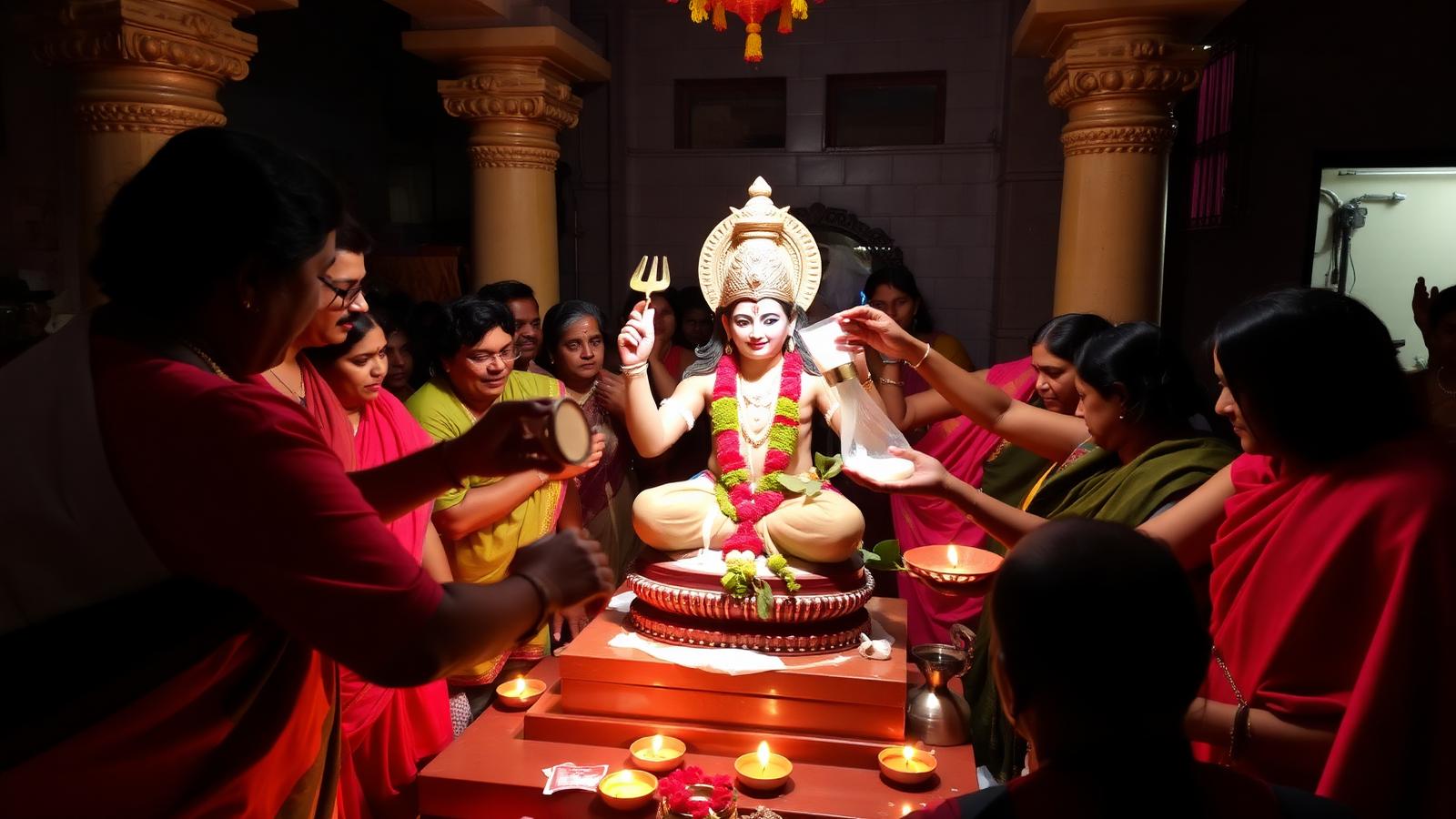
Rudrabhishekam — pouring milk on the Shiva linga while chanting the Mahamrityunjaya
Rudrābhiṣeka — bathing the Lord in mantra
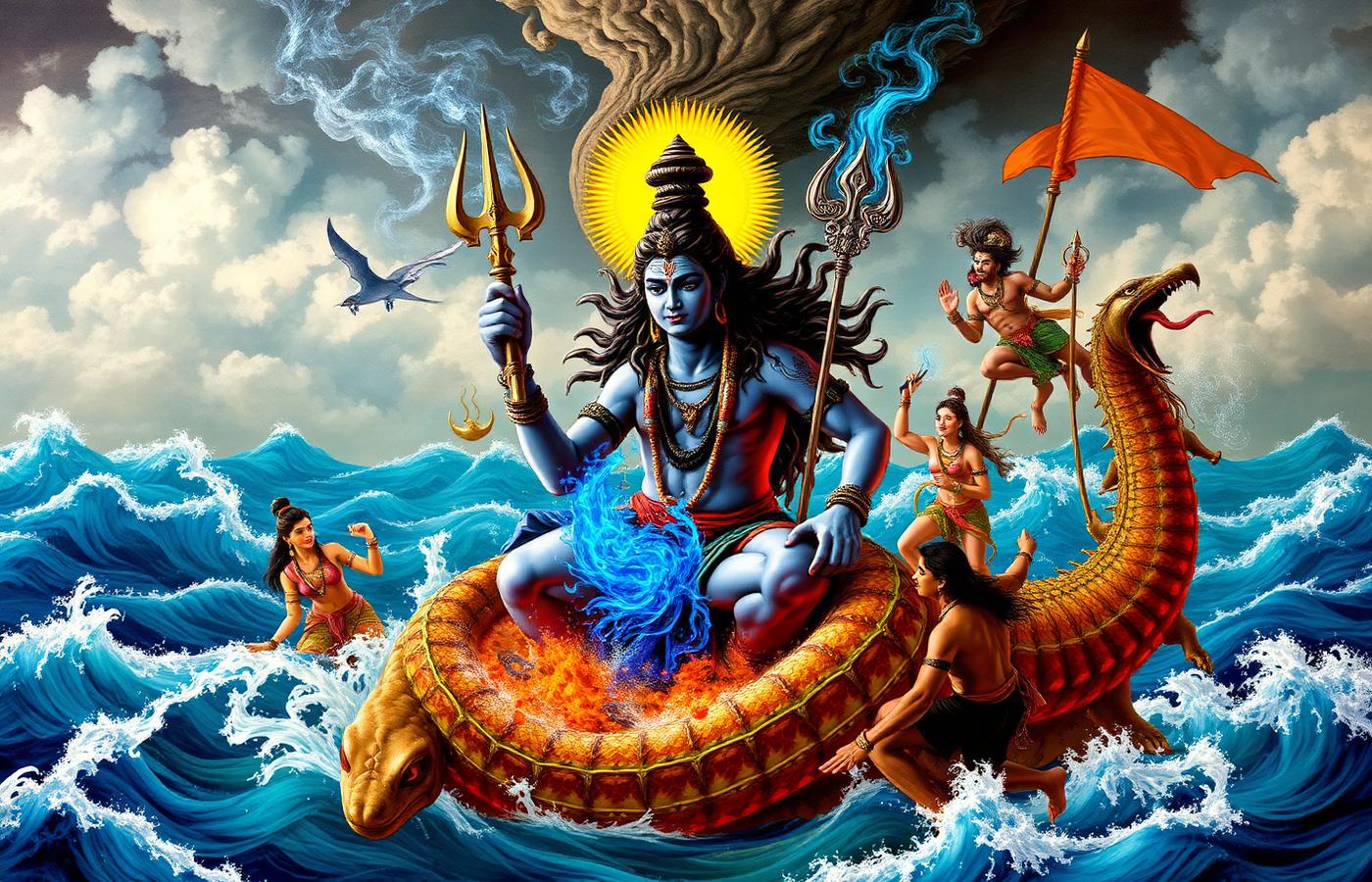
Nīlakaṇṭha Śiva — the blue-throated Lord who drank the poison of the world
Nīlakaṇṭha — He who holds death in His throat

Chapter VI

Connection with Lord Shiva

The mantra is intimate to Shiva in His form as Mṛtyuñjaya — the conqueror of death. Its power is felt most strongly on Maha Shivratri, on every Monday, throughout the holy month of Shravan, and on Amavasya and Purnima.

It is the mantra placed in the hands of the dying and the gravely ill — a living kavach woven from sound itself.

Chapter VII

Spiritual & Healing Aspects

Three faces of one mantra — healer, protector, liberator.

Healing Mantra

Chanted at hospital bedsides and in healing rituals for the gravely ill.

Protective Shield

A kavach against untimely death, fear and unseen negativity.

Path to Mokṣa

Unites bhakti and the longing for liberation — devotion fused with freedom.

Chapter VIII

Cultural & Spiritual Impact

Temple Tradition

Chanted in the daily abhisheka rituals of nearly every Shiva temple across India.

Most Chanted Healer

Among the most chanted mantras of all for healing, protection and recovery.

Global Resonance

Carried worldwide through yoga, kirtan and meditation communities.

॥ ॐ ॥

The Conqueror of Death

The Mahāmṛtyuñjaya is a divine gift of the Vedic tradition — a mantra that invokes the grace of Lord Shiva to shield us from fear, suffering and the grip of death. It reminds us that the body is transient but the Self is eternal, and through devotion the fear of death dissolves into the light of liberation.

ॐ त्र्यम्बकं यजामहे सुगन्धिं पुष्टिवर्धनम् ।
उर्वारुकमिव बन्धनान् मृत्योर्मुक्षीय मामृतात् ॥