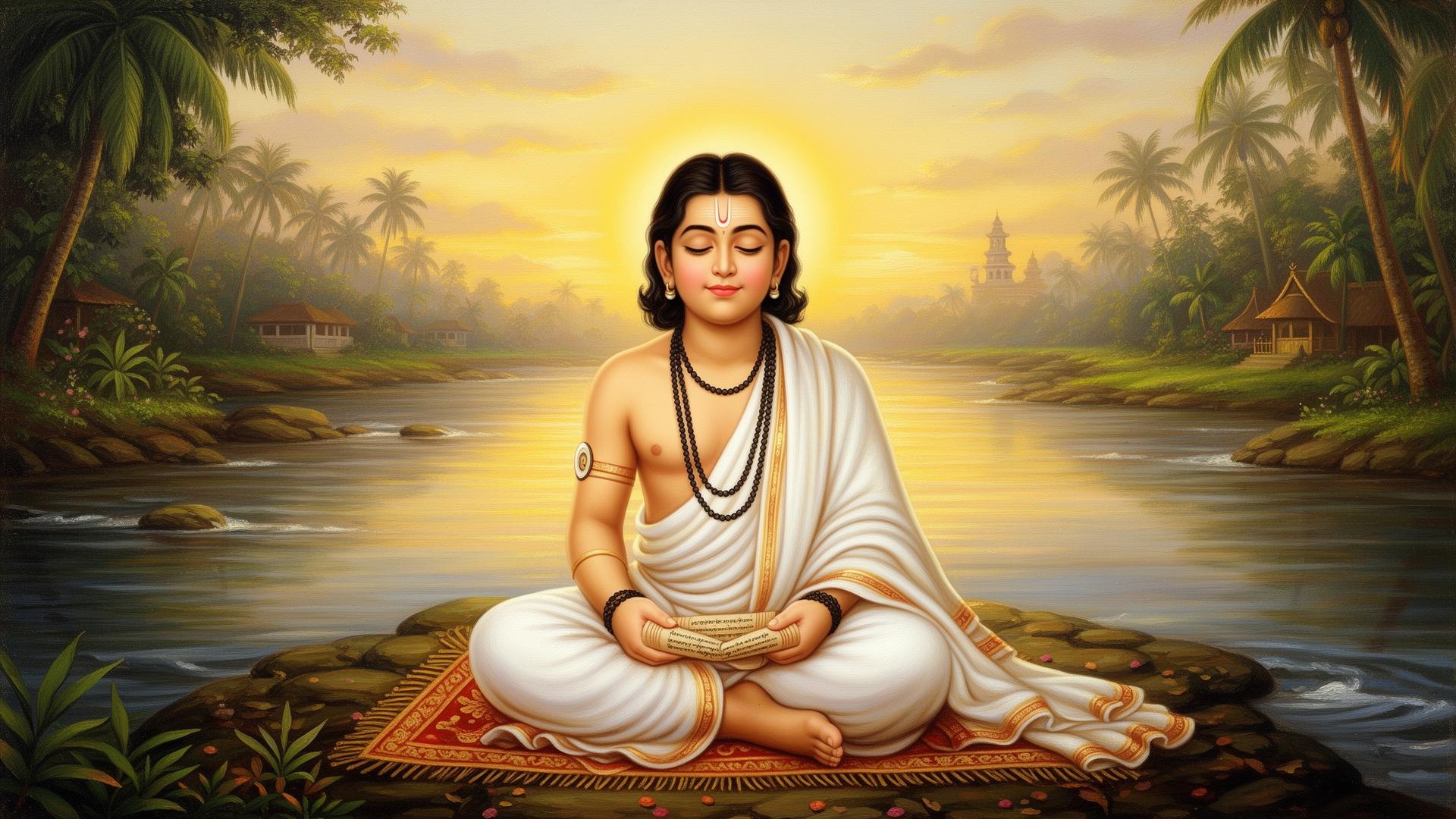
Adi Shankaracharya

Saint · Acharya

Adi Shankaracharya

॥ आदि शङ्कराचार्य ॥

The 8th-century sage who revived Sanatan Dharma, systematized Advaita Vedanta and walked the length of Bhārat to plant the seed of non-dual wisdom.

॥ ॐ ॥

8th CE

Era

Kalady

Birthplace

32 yrs

Lifespan

4

Mathas

Introduction

The Sage Who Reawakened Bhārat

॥ ॐ ॥

Adi Shankaracharya (Sanskrit: आदि शङ्कराचार्य) is one of the greatest philosophers, theologians and spiritual reformers in the history of Sanatan Dharma. Living in the 8th century CE, he is credited with reviving and systematizing Advaita Vedanta — the philosophy of non-dualism — at a time when Vedic traditions had grown fragmented.

Many traditions revere him as an incarnation of Lord Shiva. In just thirty-two years of life he traveled across the entire subcontinent, debated scholars of every school, wrote profound commentaries on the foundational scriptures and established four monastic centers (mathas) that continue to thrive today.

His teaching was as luminous as it was simple: the ultimate reality (Brahman) is one without a second, and the individual self (Ātman) is identical with that Brahman.
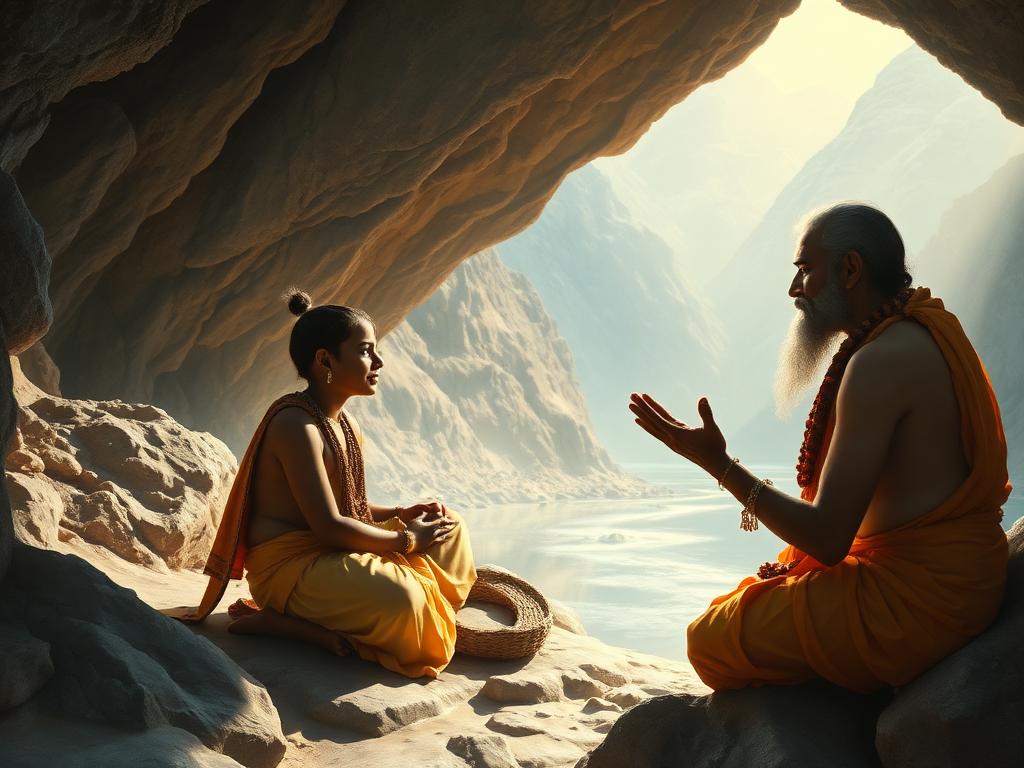
Young Shankara with his guru Govindapada in a Himalayan cave
With Guru Govindapāda · banks of the Narmadā

Chapter I

Birth, Boyhood & Sannyāsa

Shankara was born in the village of Kalady in present-day Kerala around 788 CE, to Śivaguru and Āryāmbā. Legend tells that his parents had prayed to Lord Shiva for a son, and Shiva offered them a choice — a long, ordinary life, or a short and extraordinary one. They chose the latter.

By the age of eight he had mastered the Vedas. By twelve he had received the blessings of his mother and taken sannyāsa, journeying north until he met his Guru Govindapāda — a disciple of Gauḍapāda — in a cave on the banks of the Narmadā. There he learned the inner secret of non-duality and was charged with the work of his life: to revive the eternal teaching.

Chapter II · The Heart of Advaita

Three Statements That Hold the Universe

The entirety of Shankara's vision rests on three luminous Sanskrit phrases.

ब्रह्म सत्यम्

Brahman Satyam

Brahman — the ultimate reality — alone is real.

जगन्मिथ्या

Jagat Mithyā

The world we perceive is appearance, not absolute reality.

जीवो ब्रह्मैव

Jīvo Brahmaiva

The individual self is none other than Brahman itself.

The whole universe is a manifestation of Brahman; the appearance of diversity is the play of Māyā. When ignorance dissolves through Self-knowledge (Ātma Jñāna), one realizes Ātman and Brahman were never two.

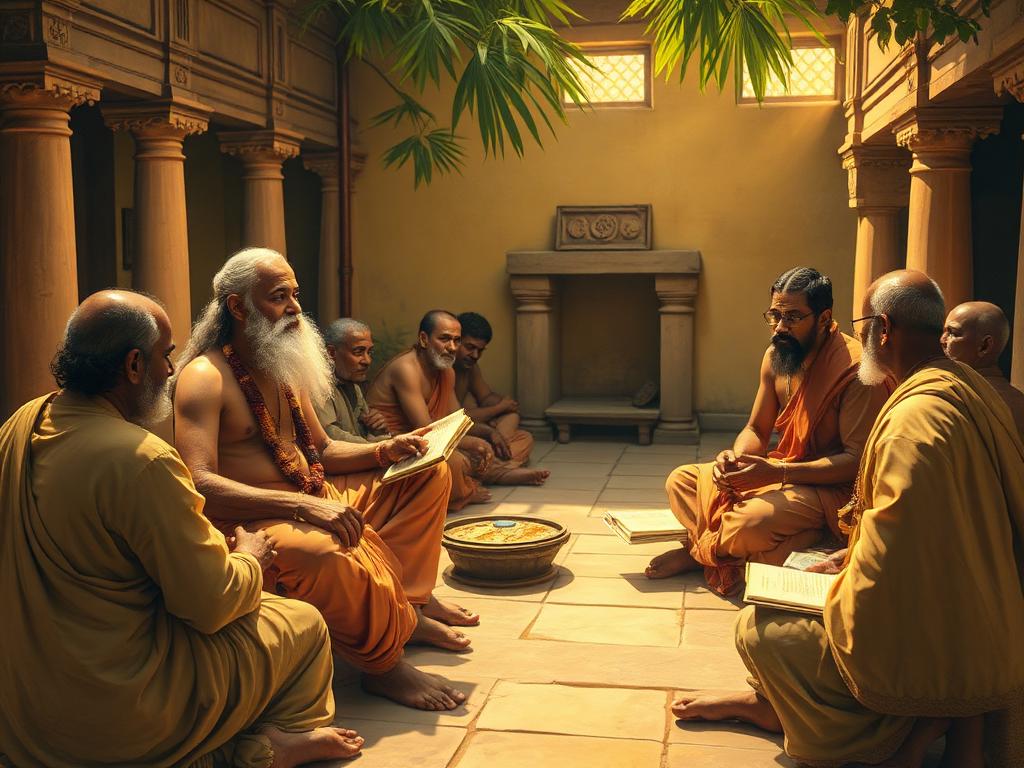
Shankara in philosophical debate with Mandana Mishra

Chapter III · Dig-Vijaya

The Great Debates

Shankara walked Bhārat from end to end, holding śāstrārtha — disciplined philosophical debate — with the leading scholars of every school. His most famous encounter was with the Mīmāṃsaka master Maṇḍana Miśra, who, after a long contest, accepted Advaita and became his disciple Sureshwarāchārya. He also engaged Buddhist and Jain thinkers, helping restore the Vedic darshanas to vigor.

Chapter IV · The Four Directions

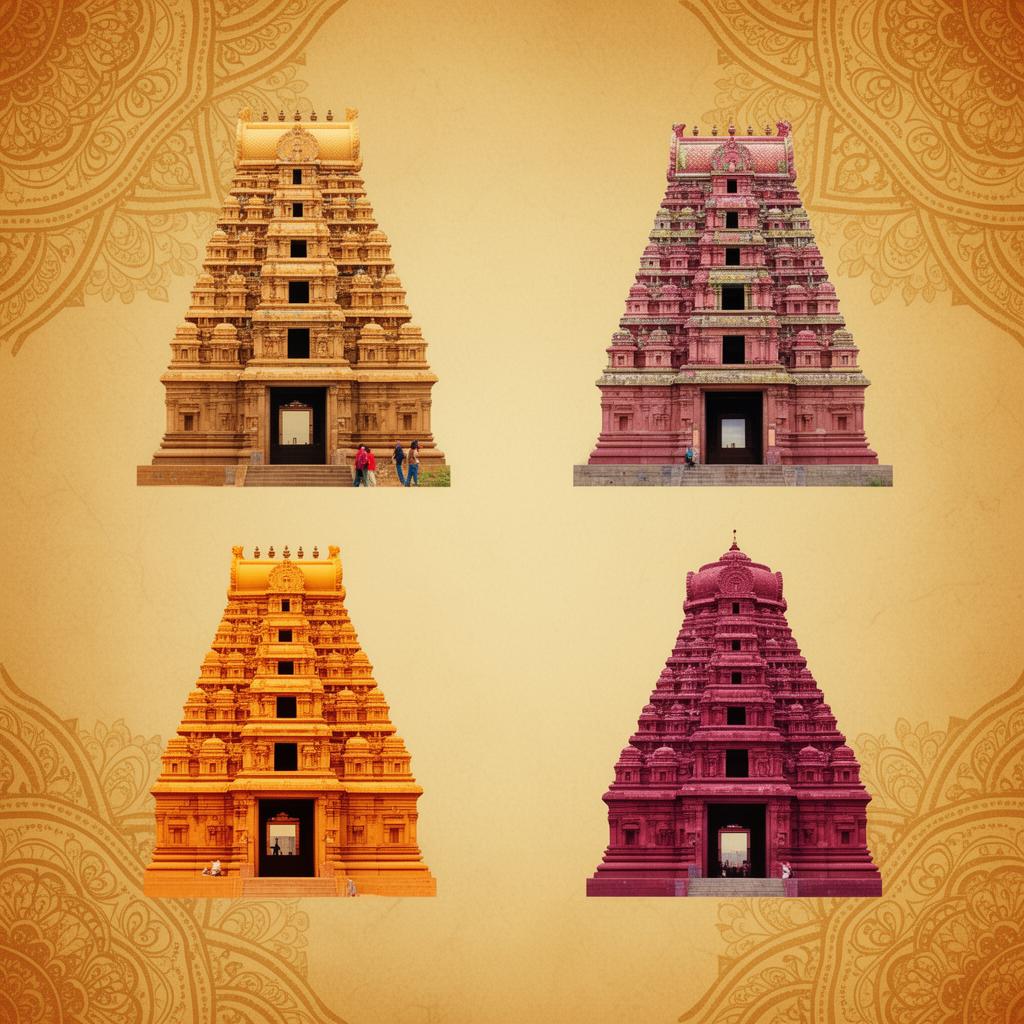
The Four Mathas of Bhārat

To safeguard and transmit Advaita Vedanta after him, Shankara established a monastic center in each direction of India. Each is led to this day by a lineage of Shankaracharyas — an unbroken chain of teachers stretching back to the founder himself.

Sringeri Sharada Peetham

South · Karnataka

Dwarka Sharada Peetham

West · Gujarat

Puri Govardhan Math

East · Odisha

Jyotirmath

North · Uttarakhand · near Badrinath

The four sacred mathas of India
North · South · East · West — one teaching, four flames

Chapter V · Granthāḥ

A Library Written in One Lifetime

Commentaries, treatises and hymns — the entire body of Advaita rests on Shankara's pen.

Bhāṣyas (Commentaries)

  • Ten Principal Upanishads
  • Bhagavad Gītā
  • Brahma Sūtras

Prakaraṇa Granthas

  • Vivekachūḍāmaṇi
  • Ātma Bodha
  • Upadeśa Sāhasrī
  • Aparokṣānubhūti

Stotras & Hymns

  • Bhaja Govindam
  • Soundarya Lahari
  • Nirvāṇa Ṣaṭkam
  • Dakshiṇāmūrti Stotram

Eternal Verses

Words From the Acharya

॥ ॐ ॥

Nirvāṇa Ṣaṭkam · 1

मनोबुद्ध्यहङ्कारचित्तानि नाहं न च श्रोत्रजिह्वे न च घ्राणनेत्रे । चिदानन्दरूपः शिवोऽहं शिवोऽहम् ॥

"I am not mind, intellect, ego or memory; I am not ear, tongue, nose or eye. I am pure consciousness-bliss — Shiva I am, Shiva I am."

Bhaja Govindam · 1

भज गोविन्दं भज गोविन्दं गोविन्दं भज मूढमते । सम्प्राप्ते सन्निहिते काले नहि नहि रक्षति डुकृञ्करणे ॥

"Worship Govinda, worship Govinda — O fool! When your final hour arrives, the rules of grammar will not save you."

Life Journey

A Life of Thirty-Two Years

  1. c. 788 CE

    Born in Kalady, Kerala to Shivaguru and Aryamba.

  2. Age 8

    Masters the Vedas; takes sannyāsa with his mother's permission.

  3. Age 12

    Meets Guru Govindapāda on the banks of the Narmada.

  4. Age 16

    Composes the great Bhāṣyas on the Prasthānatrayī.

  5. Age 20+

    Travels India four times — debates and dig-vijaya.

  6. c. 820 CE

    Establishes the four Mathas; attains mahāsamādhi at Kedarnath.

The Eternal Light of Advaita

Shankaracharya was not only a philosopher — he was a spiritual giant who walked the length of Bhārat to spread the message of non-dualism. Through his commentaries, hymns and the four mathas, he preserved and revitalized the highest teachings of the Vedas. His message is at once simple and profound:

ब्रह्म सत्यं जगन्मिथ्या जीवो ब्रह्मैव नापरः

"Brahman alone is real; the world is illusory; the individual self is none other than Brahman."

॥ ॐ शान्तिः शान्तिः शान्तिः ॥