Sant Jnaneshwar

Saint · Bhakti-Jñāna

Sant Jnaneshwar

॥ संत ज्ञानेश्वर ॥

The 13th-century child saint of Maharashtra — author of the Dnyaneshwari, pillar of the Varkari tradition, and a luminous bridge between Advaita Vedanta and the love of Lord Vitthal.

॥ ॐ ॥

13th CE

Era

Alandi

Birthplace

21 yrs

Lifespan

Dnyaneshwari

Magnum Opus

Introduction

The Child Who Spoke the Gītā in Marathi

॥ ॐ ॥

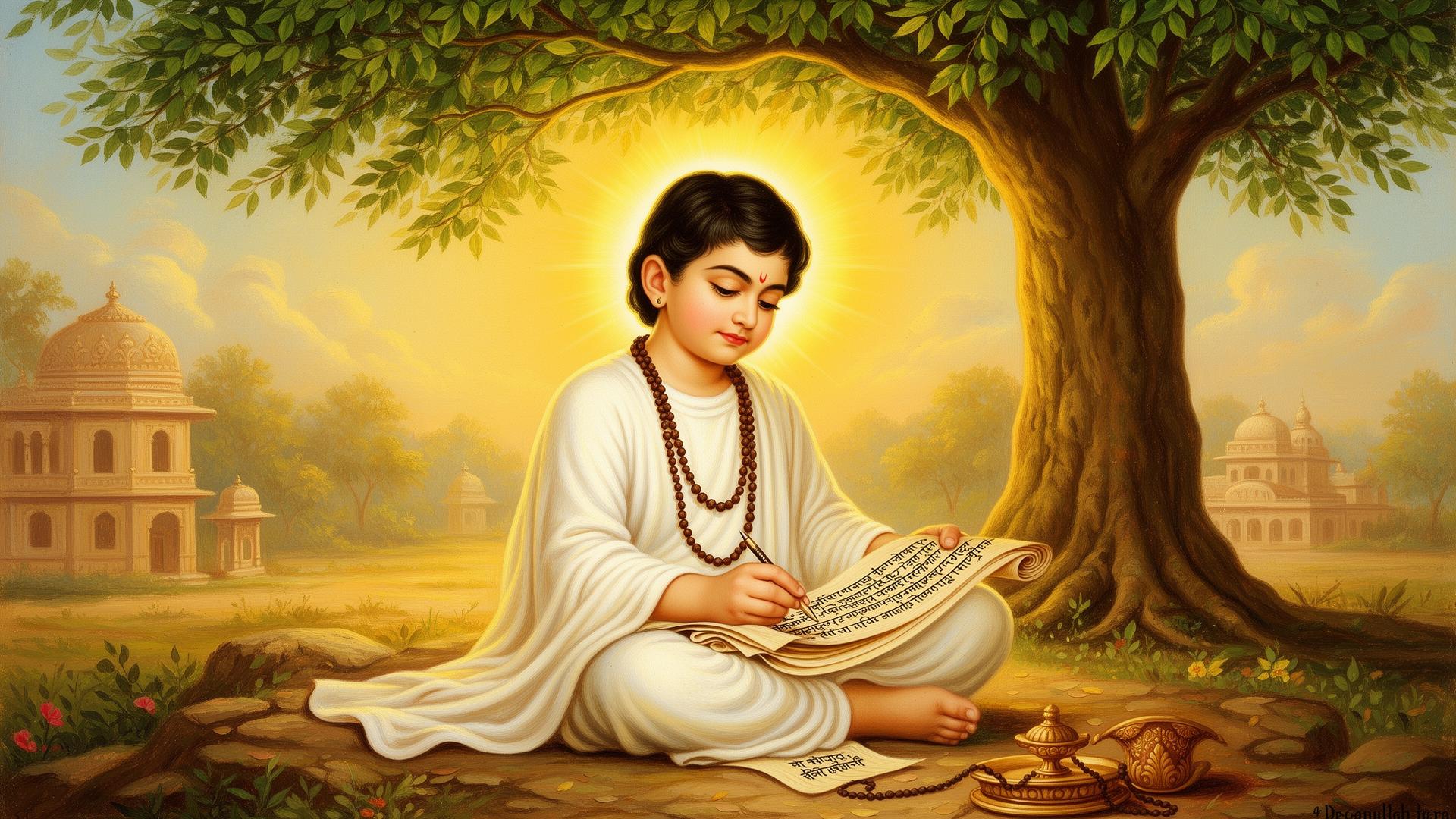
Sant Jnaneshwar (Marathi: संत ज्ञानेश्वर) — also called Dnyaneshwar or Jñānadeva — is one of the greatest saints, poets and philosophers in the history of Sanatan Dharma. Born in 1275 CE at Alandi, he is revered as a child prodigy who, by the age of sixteen, had composed the Dnyāneśvarī — a Marathi commentary on the Bhagavad Gītā that placed the highest spiritual wisdom in the hands of the common people.

Many devotees regard him as an incarnation of Lord Krishna. Alongside Sant Namdev, Eknath and Tukaram, he is a foundational figure of the Varkari tradition, the great devotional movement centred on Lord Vitthal of Pandharpur.

His life and works blend Advaita Vedanta and bhakti with such grace that knowledge and love appear as one — making him perhaps the most beloved saint of Marathi spiritual literature.
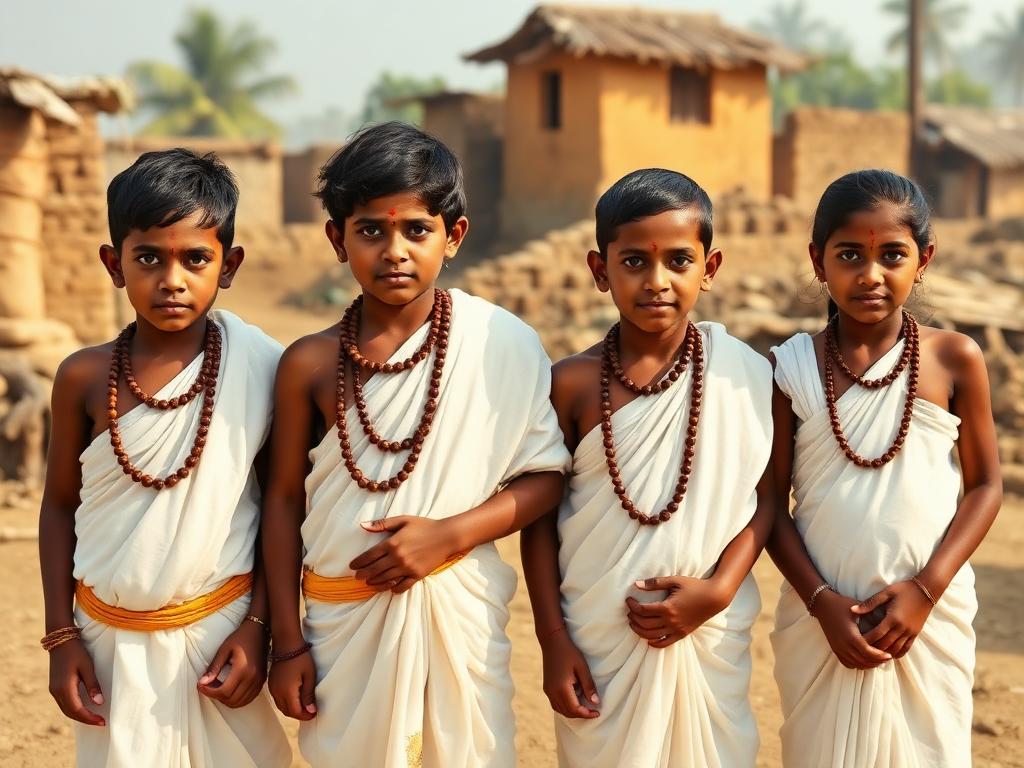
The four sibling-saints — Nivruttinath, Jnaneshwar, Sopan and Muktabai
The four sibling-saints of Alandi

Chapter I

Birth, Family & Rejection

Jnaneshwar was born to Viṭṭhalpant and Rukminībāī in the village of Alandi near Pune. His father had taken sannyāsa but, on his Guru's command, returned to household life — for which society excommunicated the entire family. Even simple religious rites were denied to the children.

Yet the four siblings — Nivṛttināth, Jñāneśvar, Sopāndev and Muktābāī — turned this rejection inward and rose into a quartet of realised saints. Jnaneshwar received his diksha from his elder brother Nivṛttināth, who carried the Nath lineage of Gahininath. From childhood he showed mastery of the Vedas and Upaniṣads, as though he had been born with the scriptures already alive within him.

Chapter II · The Heart of His Teaching

Three Threads Woven Into One

Knowledge, devotion and the equality of all beings — for Jnaneshwar these were never separate.

ज्ञान

Jñāna

True knowledge of the non-dual Self — the inner light that the Gītā reveals.

भक्ति

Bhakti

Love of Lord Vitthal — devotion as the natural flowering of knowledge.

समता

Samatā

Equality of all beings — the soul has no caste, no high, no low.

He taught that jñāna and bhakti are two faces of one reality, that the householder's life is a perfectly valid path to God, and that the soul itself knows no caste — only love.

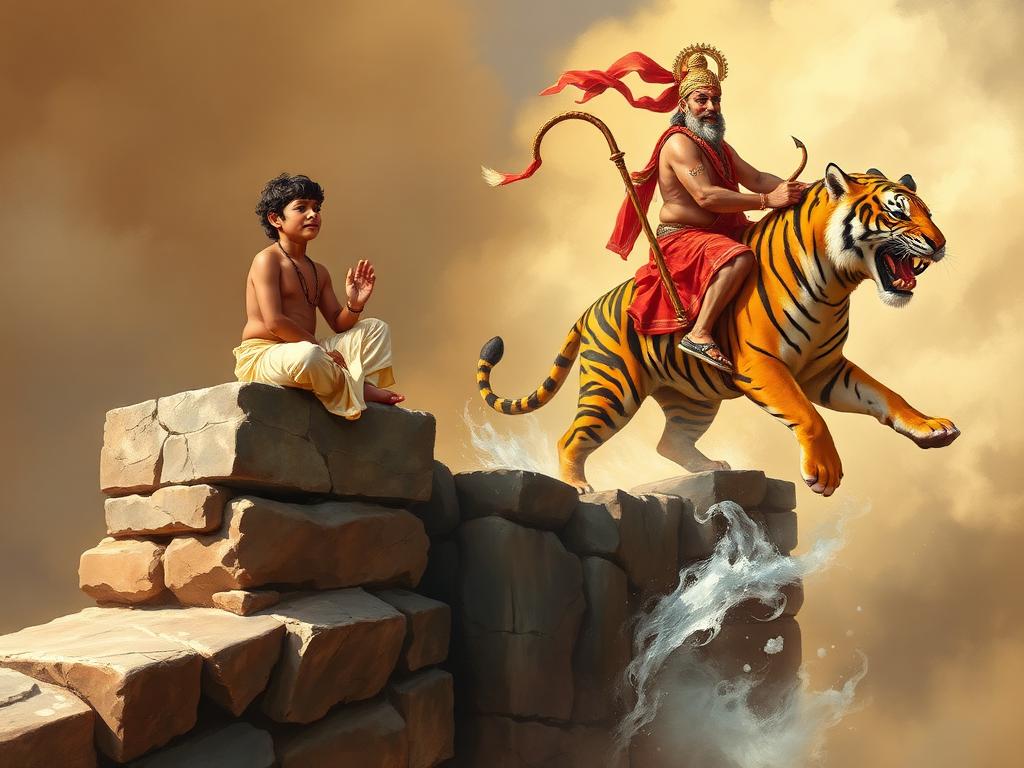
Jnaneshwar moves a wall to meet the yogi Changdev riding a tiger

Chapter III · Legend

The Wall That Walked

The yogi Changdev, said to have lived fourteen hundred years through his siddhis, came to test the young saint riding upon a tiger with a serpent as his whip. Jnaneshwar, sitting on a stone wall with his siblings, simply made the wall move forward to receive him — showing that true power is not the mastery of beasts, but the mastery of the inner Self. Changdev bowed, and Jnaneshwar's Changdeva Pāsaṣṭī — sixty-five verses of instruction — was born of that meeting.

Chapter IV · The Family of Light

Four Siblings, One Flame

Nivṛttināth

Elder brother & Guru

Initiated in the Nath tradition by Gahininath; gave Jnaneshwar his upadesha.

Jñāneśvar

The Child Saint

Author of the Dnyaneshwari and Amrutanubhav.

Sopāndev

Younger brother

Realised soul; samadhi at Saswad.

Muktābāī

Younger sister

Poetess-saint of pure non-dual vision; the family's youngest light.

Chapter V · Granthāḥ

The Treasures He Left Behind

Composed before the age of twenty — yet they remain the very foundation of Marathi spiritual literature.

Dnyāneśvarī (Bhāvārthadīpikā)

  • Verse-by-verse Marathi commentary on the Bhagavad Gītā
  • Composed at age 15–16
  • 9,000+ ovi verses

Amṛtānubhav

  • His direct experience of non-dual reality
  • A masterpiece of Marathi Advaita poetry
  • 10 chapters · the nectar of realisation

Other Compositions

  • Changdeva Pāsaṣṭī — 65 verses of instruction
  • Haripath — devotional chanting cycle
  • Abhangas still sung by Varkaris today

Pasāyadān

The Universal Prayer of Jnaneshwar

॥ ॐ ॥

Pasāyadān · Closing prayer of the Dnyāneśvarī

आतां विश्वात्मकें देवें । येणें वाग्यज्ञें तोषावें । तोषोनि मज द्यावें । पसायदान हें ॥

"May the God who is the Soul of the Universe be pleased with this offering of words — and, being pleased, bestow upon me this grace."

Pasāyadān · The Universal Blessing

जो जे वांच्छील तो तें लाहो । प्राणिजात ॥

"May every being receive whatever it desires — let the entire living creation be fulfilled."

Chapter VI · The Living Tradition

The Varkari Pilgrim Path

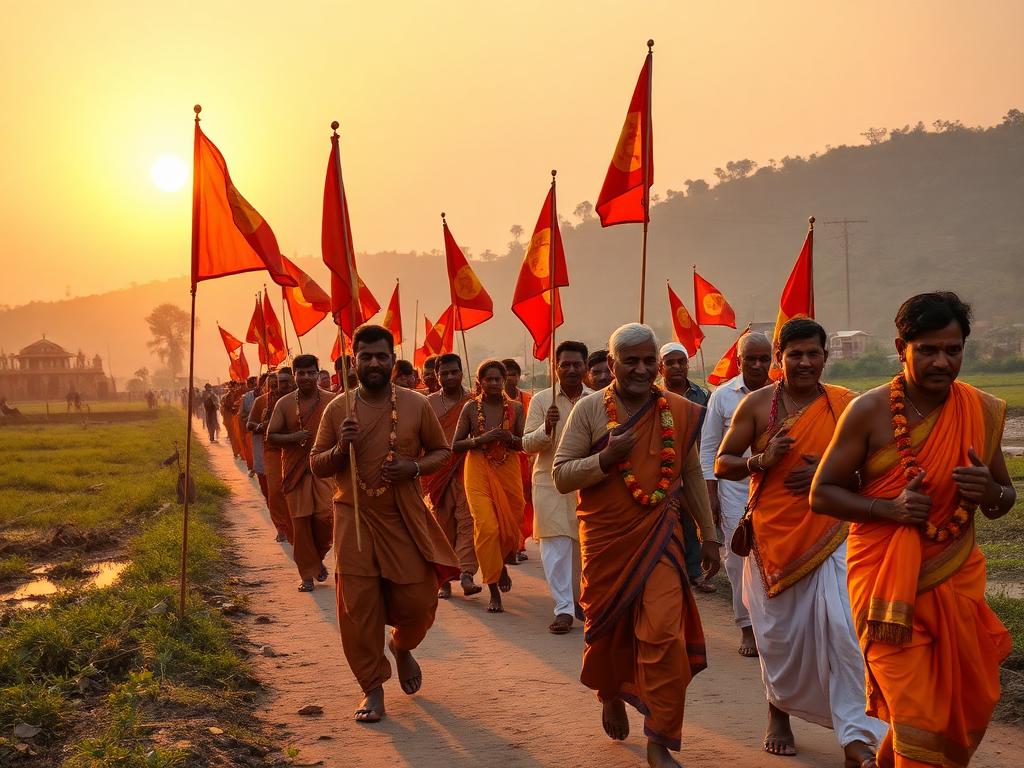
Together with Sant Namdev, Jnaneshwar nourished the Varkari movement — devotees of Lord Viṭṭhal of Pandharpur. Even today, every year, millions of pilgrims walk the long road from Alandi and Dehu to Pandharpur, carrying the palanquins (pālkhī) of the saints, singing his abhangs and the verses of the Dnyāneśvarī.

His words are not in a museum — they walk barefoot on the road, on the lips of farmers, mothers and grandfathers, eight hundred years after he set them down.

Varkari pilgrims walking to Pandharpur
The Vāri — eight centuries of unbroken walking devotion

Life Journey

A Life of Twenty-One Years

  1. 1275 CE

    Born in Alandi (near Pune) to Viṭṭhalpant and Rukminībāī.

  2. Childhood

    Family ostracised; the four siblings turn inward and study the scriptures.

  3. Paithan

    Performs the miracle of making a buffalo recite the Vedas — silencing the orthodoxy.

  4. Age 15–16

    Composes the Dnyāneśvarī at Newasa, dictating to Sachidananda Baba.

  5. Later years

    Writes Amṛtānubhav; meets the yogi Changdev; travels with Sant Namdev.

  6. 1296 CE

    Enters Sañjīvan Samādhi at Alandi at the age of twenty-one.

The Child Saint Who Illuminated Maharashtra

In just twenty-one years, Jnaneshwar showed that age, lineage and social standing cannot bind the radiance of true knowledge and love. Through the Dnyāneśvarī and Amṛtānubhav he opened the highest wisdom to every heart — and through the Varkari path he gave that wisdom legs to walk for centuries.

जो जे वांच्छील तो तें लाहो ॥

"May every being receive whatever it desires — let all creation be fulfilled."

॥ ज्ञानेश्वर महाराज की जय ॥